
 search
 EN
EN  русский
 عربى
عربى 简体中文
简体中文News
What Are LG Multistage Centrifugal Pumps and How Do They Work?
What Is a Multistage Centrifugal Pump and How Does It Generate High Pressure?
A multistage centrifugal pump is a hydraulic machine that uses two or more impellers arranged in series within a single pump casing to progressively build fluid pressure across each stage before discharging the fluid at the final outlet. Unlike a single-stage centrifugal pump — which passes water through one impeller and is limited in the pressure head it can develop — a multistage design routes the fluid from the discharge of the first impeller directly into the inlet of the second, then the third, and so on through as many stages as the application demands. Each impeller adds an incremental pressure increase, and the cumulative effect allows multistage pumps to achieve total discharge heads ranging from several tens of meters to well over a thousand meters, depending on the number of stages and the impeller diameter.
The operating principle in each stage is identical to a conventional centrifugal pump: the rotating impeller imparts kinetic energy to the fluid, accelerating it outward from the center to the periphery of the impeller through centrifugal action. A diffuser or volute casing surrounding each impeller then converts this kinetic energy into pressure energy by gradually decelerating the fluid through an expanding flow passage. The precisely controlled geometry of each stage — impeller blade angle, diffuser vane profile, and inter-stage channel dimensions — determines how efficiently this energy conversion occurs, and it is the engineering precision of these components that separates high-quality multistage pumps from commodity alternatives.
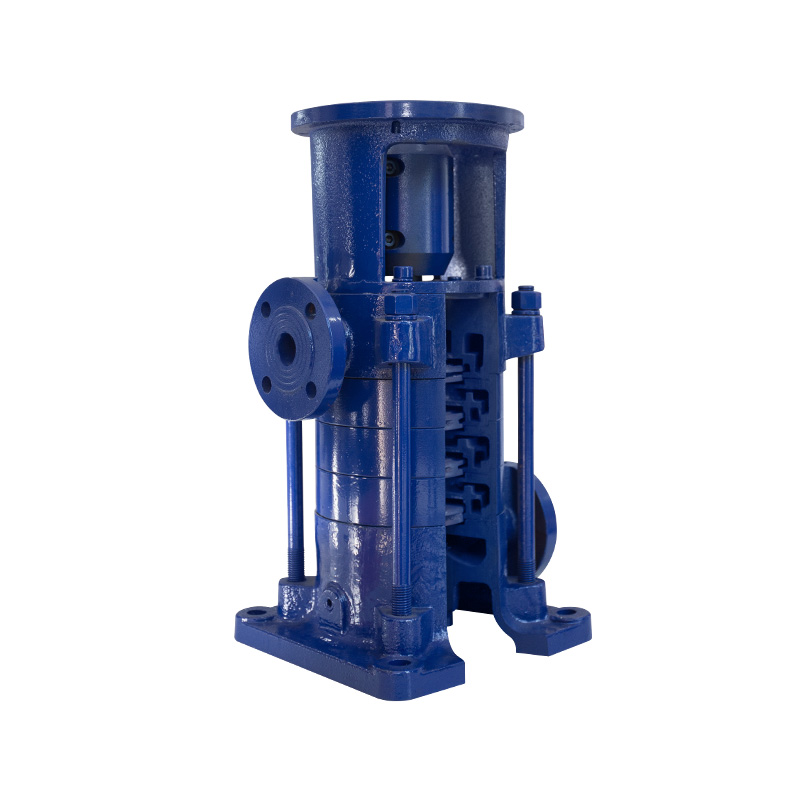
LG Multistage Centrifugal Pumps: Brand Overview and Product Range
LG is a globally recognized manufacturer whose pump division — operating under the LG brand in the context of industrial and water supply equipment in certain markets, and also referenced in the context of pump brands like "LG" produced by manufacturers in China and Korea for the global market — offers a comprehensive range of multistage centrifugal pumps designed for clean water supply, pressure boosting, irrigation, industrial fluid transfer, and building services applications. LG multistage centrifugal pumps are typically produced in both horizontal and vertical configurations, with stainless steel or cast iron wetted components depending on the series, and are driven by standard IEC-frame electric motors ranging from 0.37 kW to 37 kW or more depending on the model.
The product range is structured to address different flow rate and pressure head combinations. Smaller series — typically covering flow rates from 1 m³/h to 10 m³/h with heads up to 200 meters — are used in domestic water supply, villa pressure systems, and small agricultural irrigation. Mid-range series covering 5 m³/h to 50 m³/h with heads up to 300 meters are used in commercial building pressurization, fire suppression support systems, and light industrial transfer duties. Larger heavy-duty series with flow rates exceeding 100 m³/h are designed for municipal water supply, industrial process water circuits, and high-pressure cleaning systems. Across the range, LG positions its multistage pumps on the quality of hydraulic design, the precision of component tolerances, and the corrosion resistance of materials used in the impeller, shaft, and casing.
Core Components and Their Role in Pump Performance
Understanding the internal construction of an LG multistage centrifugal pump clarifies why component quality has such a direct impact on performance, efficiency, and service life. Each major component contributes a specific function to the overall system.
Impellers and Stage Casings
The impellers are the primary energy-adding components of the pump, and in LG multistage designs they are typically manufactured from stainless steel grade 304 or 316, or from high-quality engineering polymer in lighter-duty series. Stainless steel impellers offer superior erosion resistance and dimensional stability under varying flow conditions compared to cast iron or bronze alternatives, maintaining hydraulic efficiency over long service periods. Each impeller is shrouded — enclosed between front and rear shroud discs — to minimize internal recirculation leakage around the blade tips, which would otherwise reduce the pressure developed per stage. The inter-stage casings that channel flow from one impeller to the next are precision-cast or machined to minimize turbulence and hydraulic losses in the transition passages between stages.
Shaft and Bearing Arrangement
All impellers in a multistage pump are mounted on a single common shaft, which must transmit the full motor torque while withstanding the combined radial and axial hydraulic forces generated by the fluid pressure acting on the impellers. LG multistage pump shafts are manufactured from stainless steel or hardened carbon steel with tight straightness and surface finish tolerances to minimize vibration and ensure concentric running at operating speed. Axial thrust — the net force pushing the shaft in the direction of flow — is managed by a hydraulic balancing disc or by opposing impeller arrangements that cancel thrust forces from alternate stages, reducing the load on the thrust bearing and extending bearing life. Deep-groove ball bearings or angular contact bearings are used at each end of the shaft, pre-lubricated and sealed for maintenance-free operation in standard configurations.
Mechanical Seal System
The mechanical seal prevents pressurized fluid from escaping along the shaft where it exits the pump casing. LG multistage pumps in the mid to upper range of their product lineup use single mechanical seals with carbon/ceramic or silicon carbide/silicon carbide face pairs, selected based on the fluid temperature and pressure. Silicon carbide faces offer superior hardness and chemical resistance for abrasive or chemically aggressive fluids, while carbon/ceramic combinations are cost-effective for standard clean water applications. The seal chamber design and flush arrangement are important factors in seal longevity — LG pumps typically configure the seal flush to use the pumped fluid itself in clean water applications, simplifying the system and eliminating the need for external flush connections.
Technical Specifications and Performance Range
The following table provides a representative overview of the performance envelope typical of LG multistage centrifugal pump series available in the market, covering key hydraulic and mechanical specifications across different product tiers:
| Specification | Light-Duty Series | Mid-Range Series | Heavy-Duty Series |
| Max Flow Rate | Up to 10 m³/h | Up to 50 m³/h | Up to 120 m³/h |
| Max Head | Up to 200 m | Up to 300 m | Up to 600 m |
| Motor Power Range | 0.37 – 2.2 kW | 2.2 – 11 kW | 11 – 37 kW |
| Number of Stages | 2 – 8 | 4 – 12 | 6 – 18 |
| Impeller Material | SS304 or polymer | SS304 / SS316 | SS316 / duplex steel |
| Max Fluid Temperature | Up to 60°C | Up to 90°C | Up to 120°C |
| Typical Orientation | Vertical inline | Vertical / Horizontal | Horizontal split case |
Applications Where LG Multistage Centrifugal Pumps Excel
The ability to generate high pressure heads at controlled flow rates across a compact, energy-efficient package makes LG multistage centrifugal pumps suitable for a wide range of demanding fluid handling tasks. Each application places specific demands on flow stability, pressure consistency, material compatibility, and operational reliability that the multistage design is well positioned to meet.
- Building Water Pressure Boosting: High-rise residential and commercial buildings require constant pressure water supply systems that compensate for the elevation loss between ground-level storage tanks and upper-floor outlets. LG vertical multistage inline pumps are widely used in these pressure booster sets, often configured in parallel pairs with automatic alternation control to balance wear and provide duty-standby redundancy.
- Agricultural and Horticultural Irrigation: Drip irrigation and sprinkler systems require stable operating pressures of 3 to 8 bar at flow rates that vary considerably across a day's irrigation schedule. Multistage pumps paired with variable frequency drives (VFDs) maintain target system pressure while modulating speed to match changing demand, reducing energy consumption and water hammer effects compared to fixed-speed on/off pressure switch control.
- Industrial Reverse Osmosis and Water Treatment: RO membrane systems require feed pressures of 10 to 80 bar depending on the water source and membrane type. LG high-pressure multistage pumps designed for RO duty feature close-clearance stainless steel impellers and specialized shaft seals rated for the continuous high-pressure, low-flow operating points characteristic of RO feed applications.
- Boiler Feed and Condensate Return: Steam boiler systems require feed water to be pumped against boiler operating pressure — typically 8 to 40 bar in industrial applications — at elevated temperatures. LG high-temperature multistage pumps with appropriate seal and bearing specifications handle condensate return and boiler feed duties reliably, with materials selected to resist the slightly corrosive condensate chemistry.
- Fire Fighting Jockey Pump Systems: Small high-head multistage pumps serve as jockey pumps in fire suppression systems, maintaining system pressure between fire events and detecting pressure drops that signal a demand for the main fire pump to start. Their ability to produce high heads at very low flow rates makes them ideal for this low-flow pressure maintenance duty.
- Mine Dewatering and Deep Well Extraction: Vertical borehole multistage pumps — a submerged variant of the multistage centrifugal design — are used to extract water from deep wells and dewater mine workings at depths exceeding 200 meters, where single-stage surface pumps cannot generate sufficient suction or discharge head to manage the task economically.
Horizontal vs Vertical Multistage Configurations: Which to Choose?
LG multistage centrifugal pumps are available in both horizontal and vertical shaft orientations, and the choice between configurations depends on the installation space, piping layout, maintenance access requirements, and the nature of the fluid being handled.
Vertical Inline Multistage Pumps
Vertical inline pumps have the motor mounted directly above the pump head with the shaft oriented vertically, and the suction and discharge connections in line with each other on opposite sides of the pump body. This configuration requires minimal floor space — the pump mounts directly into the pipe run without a separate baseplate — and is the standard choice for building services, pressure booster sets, and commercial HVAC applications where mechanical rooms have limited floor area. The vertical orientation also ensures that the mechanical seal remains flooded at all times when the pump is primed, extending seal life. LG vertical inline multistage pumps typically use a close-coupled motor mount that eliminates the flexible coupling and bearing bracket required in horizontal designs, reducing component count and alignment requirements.
Horizontal Multistage Pumps
Horizontal multistage pumps mount on a rigid baseplate alongside the drive motor, connected via a flexible coupling. This configuration is preferred for larger flow rates, higher power duties, and applications where the pump must handle fluids at elevated temperatures or viscosities that benefit from easier bearing and seal access for maintenance. The horizontal layout also simplifies the mechanical seal flush and cooling arrangements in high-temperature applications, and allows easier visual inspection of the coupling and bearing condition during operation. LG horizontal multistage pumps in the heavy-duty range are available with split-casing designs that allow the upper half of the casing to be lifted clear for impeller and seal inspection without disturbing the pump's pipe connections — a significant maintenance advantage in continuous-process industrial installations.
Key Selection Criteria When Specifying an LG Multistage Pump
Selecting the correct LG multistage centrifugal pump model for a given application requires working through a structured set of hydraulic, mechanical, and operational parameters. Errors in pump selection — particularly undersizing the head or mismatching the operating point to the pump's best efficiency point (BEP) — result in poor energy efficiency, accelerated wear, and premature failure.
- System Head Calculation: Calculate the total system head by summing the static head (elevation difference between source and destination), friction losses in the pipework and fittings at the design flow rate, and any pressure differential at the delivery point. This total system head defines the minimum head the pump must produce at the design flow rate.
- Operating Point Selection: Plot the system curve on the pump's H-Q (head vs. flow) performance curve and confirm that the intersection — the operating point — falls within 85 to 110 percent of the pump's best efficiency point flow rate. Operating significantly to the left or right of BEP increases radial loads, shaft deflection, and seal wear.
- NPSH Verification: Calculate the Net Positive Suction Head Available (NPSHa) for the installation — accounting for suction lift, pipe friction, and fluid vapor pressure at operating temperature — and confirm it exceeds the pump's required NPSHr by a safety margin of at least 0.5 to 1.0 meter to prevent cavitation.
- Material Compatibility: Confirm that the wetted materials — impeller, shaft, casing, and seal faces — are chemically compatible with the pumped fluid. Standard SS304 is suitable for clean potable water; SS316 or duplex stainless steel is required for brackish water, seawater, or mildly aggressive chemical solutions.
- Drive and Control Integration: Determine whether the pump will operate at fixed speed with on/off or pressure switch control, or whether a variable frequency drive will be used for pressure regulation. VFD-controlled multistage pumps can reduce energy consumption by 30 to 50 percent in variable-demand applications and should be specified with motors rated for inverter duty to handle the modified voltage waveform without insulation degradation.
LG multistage centrifugal pumps represent a well-engineered solution for high-pressure fluid transfer across a wide range of residential, commercial, agricultural, and industrial applications. Their combination of stainless steel hydraulic components, precision-balanced rotating assemblies, and comprehensive model range covering flow rates from 1 m³/h to over 100 m³/h gives system designers a flexible platform for building reliable, energy-efficient pumping systems. Properly selected and installed, these pumps deliver years of low-maintenance service — making the investment in correct specification and quality equipment at the outset the most cost-effective decision over the full life of the installation.
Related Products
-

TD high efficiency and energy saving circulating pump pump shaft
Cat:TD High-efficiency And Energy-saving Circulating Pump Accessories
The pump shaft is the component that connects the motor to the impelle...
See Details -
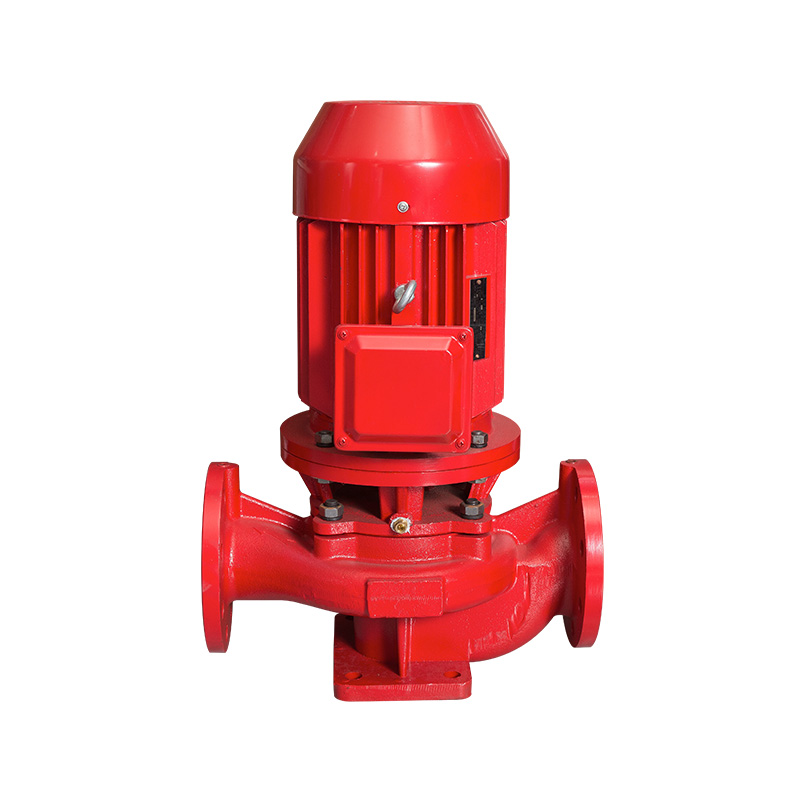
Vertical pipeline pump
Cat:Pipeline Pump
ISG series single-stage single-suction vertical centrifugal pump is a ...
See Details -
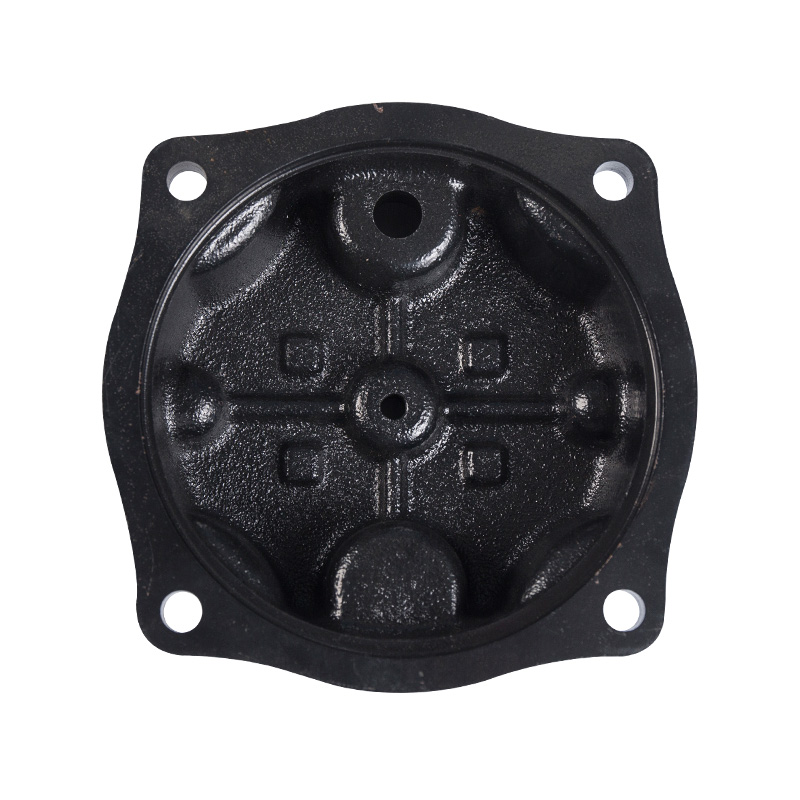
Sewage pump hanging cover
Cat:Sewage Pump Accessories
Installed on the upper part of the sewage pump unit, it is used for li...
See Details -
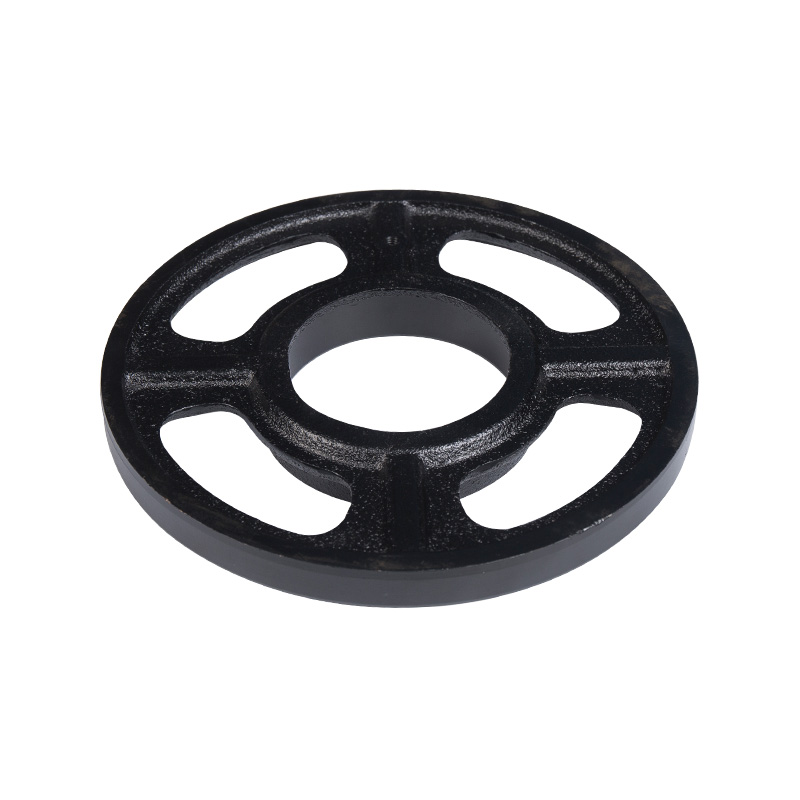
Sewage pump bearing seat
Cat:Sewage Pump Accessories
Installed inside the sewage pump unit, they support the rotor part of ...
See Details -
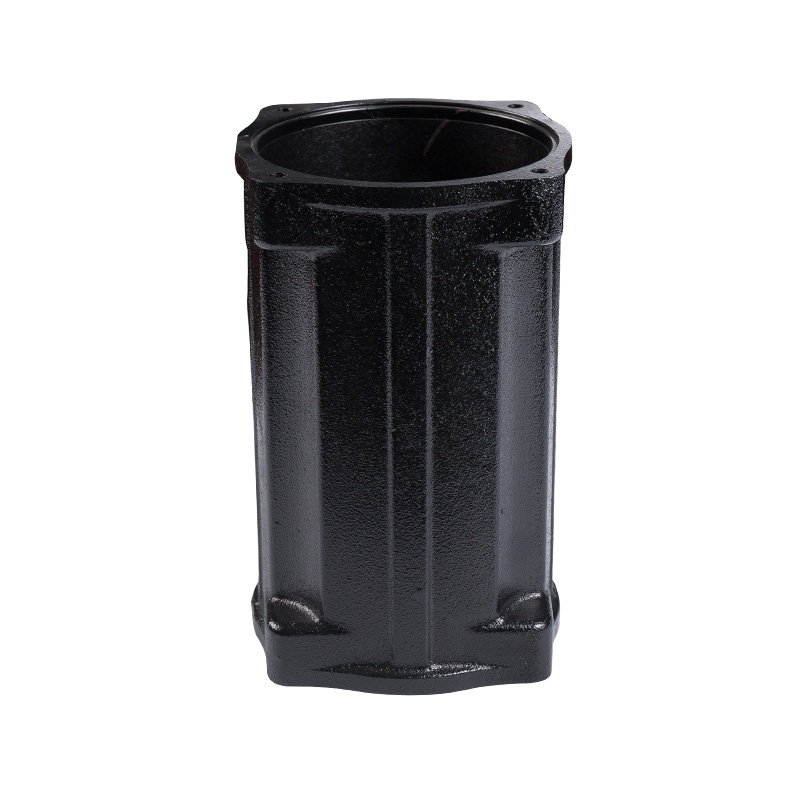
Sewage pump casing
Cat:Sewage Pump Accessories
The casing of the sewage pump unit plays a role in protecting the inte...
See Details -
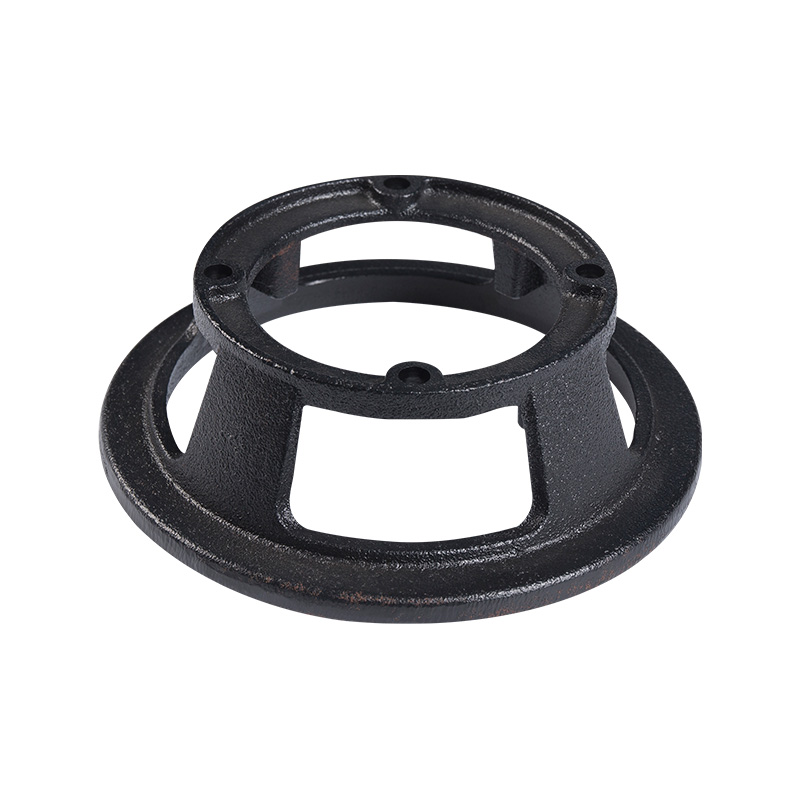
Sewage pump foot plate
Cat:Sewage Pump Accessories
Components mounted on the bottom of the sewage pump unit to support th...
See Details -
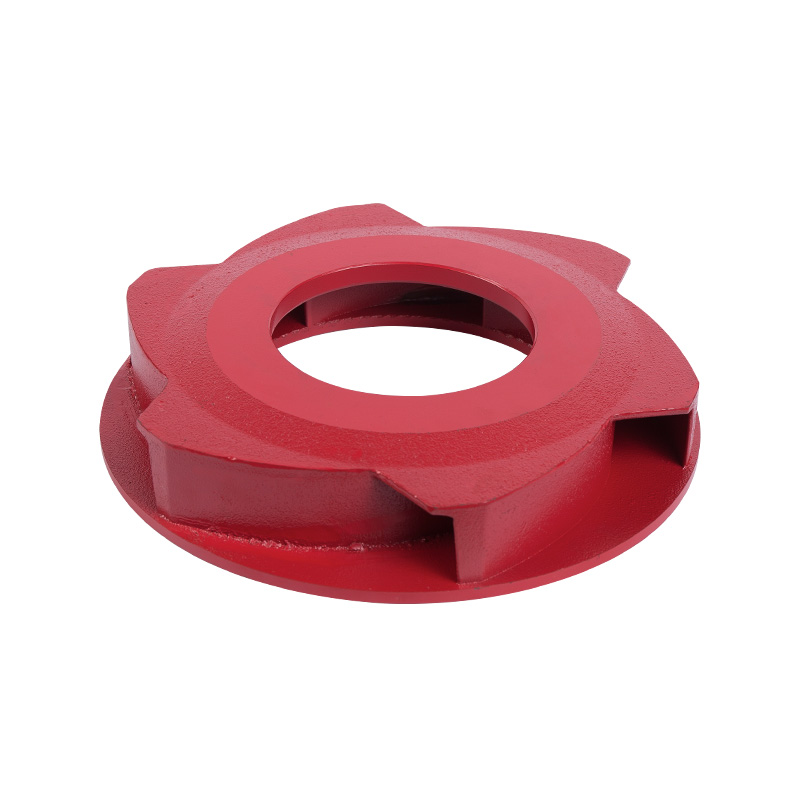
LG multistage pump cast iron impeller
Cat:LG Multi-stage Pump Accessories
Cast iron impeller is one of the key components of the pump, which pre...
See Details -
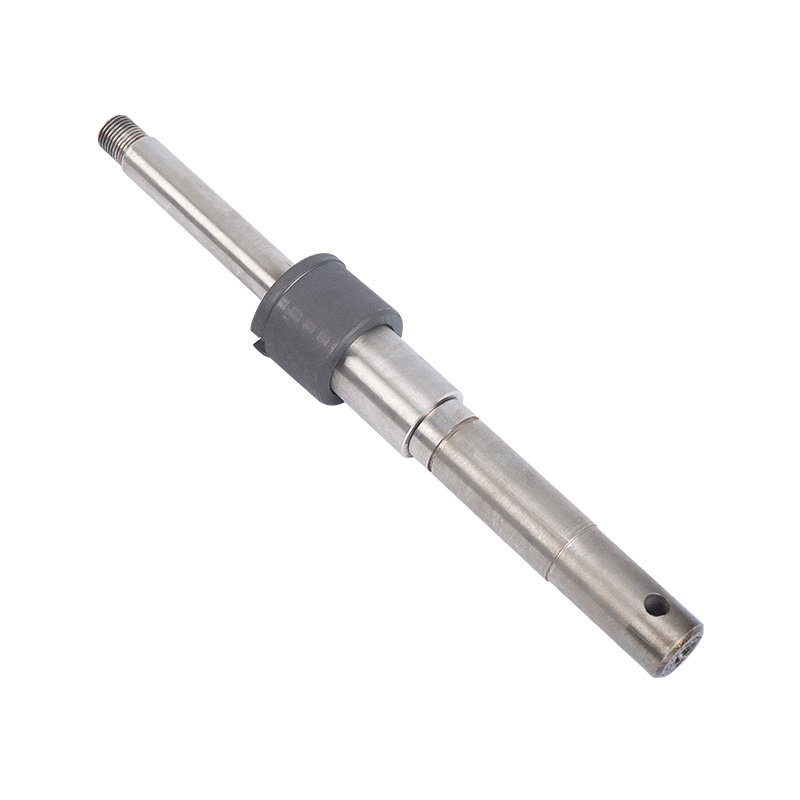
LG multi-stage pump shaft
Cat:LG Multi-stage Pump Accessories
The pump shaft is the key component to bear the rotational force and t...
See Details -
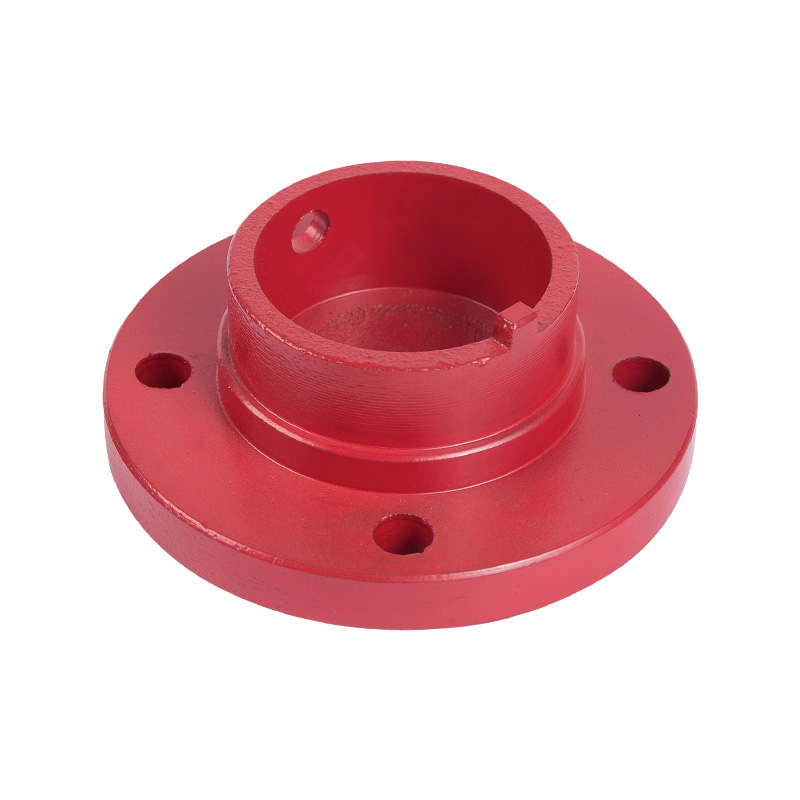
LG multi-stage pump water bearing gland
Cat:LG Multi-stage Pump Accessories
Water bearing gland is the gland for fixing the water bearing, which s...
See Details -
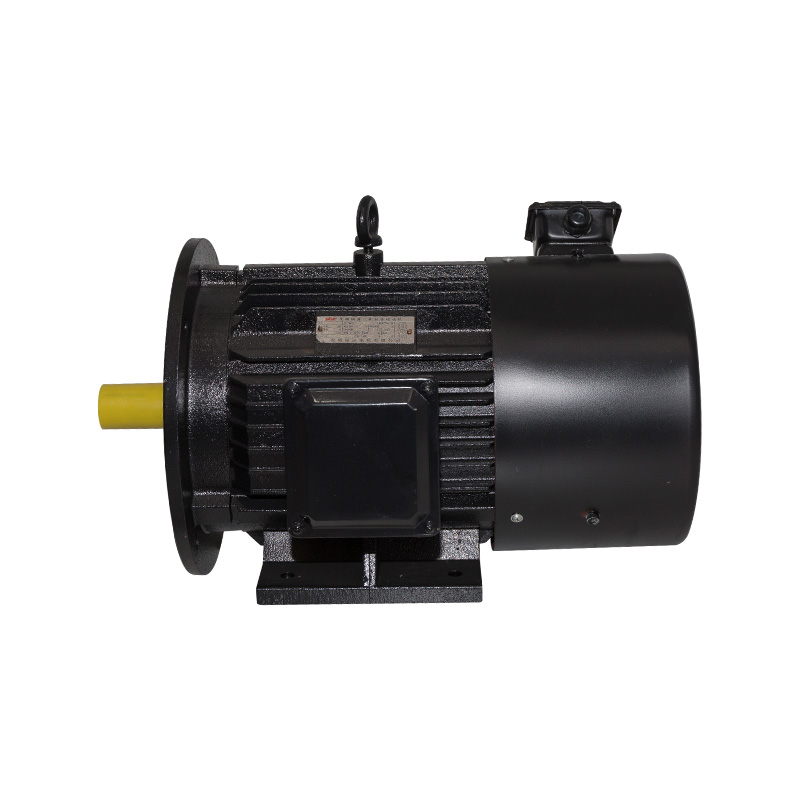
B3/B35 Horizontal inverter motor
Cat:Inverter Electric Motor
Also known as base mounting, the motor is connected to the mounting da...
See Details
Get A Quote
Quick Links
Products
- TD High-efficiency And Energy-saving Circulating Pump
- TD High-efficiency And Energy-saving Circulating Pump Accessories
- Pipeline Pump
- Pipeline Pump Accessories
- Sewage Pump
- Sewage Pump Accessories
- LG Multi-stage Pump
- LG Multi-stage Pump Accessories
- Cooling Tower Circulation Pump
- Electric Motor
- Electric Motor Accessories
Contact Us
-

+86-0563-2251312
-

+86-0563-2251311
-

+86-139 6620 0379
-

-

No.43 Guohua Road, Guangde Economic Development Zone, Xuancheng City, Anhui Province, China
Mobile Site
