
 search
 EN
EN  русский
 عربى
عربى 简体中文
简体中文News
Home / News / Industry News / How Does a Single-Stage Pipeline Circulation Pump Work in HVAC Systems?
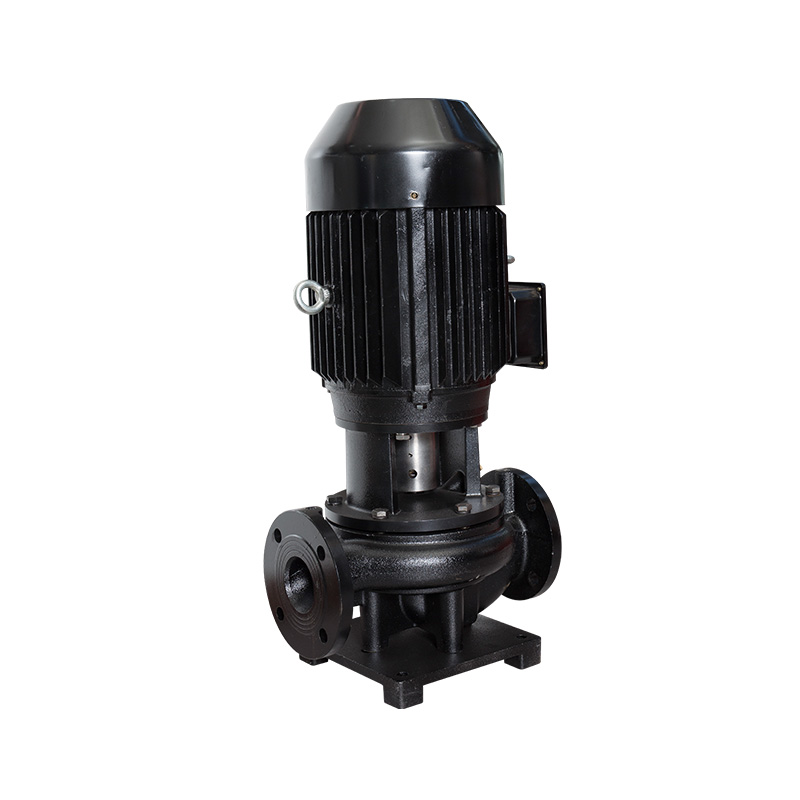
A single-stage pipeline circulation pump is a centrifugal pump designed to be installed directly into a pipeline system to circulate liquids efficiently. The term “single-stage” refers to the pump structure, where fluid passes through one impeller to gain energy, while “pipeline” indicates its inline installation design. These pumps are widely used in HVAC systems, hot water circulation, industrial process loops, and building water supply systems where stable flow and moderate pressure are required.
Unlike multi-stage pumps that generate high pressure through multiple impellers, single-stage pipeline circulation pumps focus on reliable circulation, compact installation, and energy efficiency. Their streamlined design makes them easy to integrate into existing piping systems without requiring extensive structural changes.
The working principle of a single-stage pipeline circulation pump is based on centrifugal force. When the motor drives the impeller to rotate at high speed, fluid enters the pump through the inlet and is accelerated outward by the impeller blades. The kinetic energy of the fluid is then converted into pressure energy as it flows through the pump casing and exits into the pipeline.
Pipeline circulation pumps are designed with inlet and outlet ports aligned on the same axis. This inline structure allows the pump to be mounted directly within horizontal or vertical pipelines, saving space and reducing the need for additional pipe fittings.
The single-stage impeller is optimized for balanced flow and stable pressure output. It ensures smooth circulation while minimizing hydraulic losses, making the pump suitable for continuous operation in closed-loop systems.
Single-stage pipeline circulation pumps are used in a wide range of applications where fluid needs to be circulated rather than transported over long distances or lifted to high elevations.
The popularity of single-stage pipeline circulation pumps is driven by several practical advantages that meet the needs of modern fluid circulation systems.
Because these pumps are installed inline with existing pipelines, they eliminate the need for large pump foundations or separate pump rooms. This compact design is especially valuable in mechanical rooms with limited space.
Single-stage circulation pumps are designed for continuous-duty operation. They provide consistent flow rates and stable pressure, which is critical for maintaining balanced temperature distribution in heating and cooling systems.
With fewer mechanical components than multi-stage pumps, single-stage pipeline circulation pumps experience lower internal losses. When paired with high-efficiency motors or variable frequency drives, they can significantly reduce energy consumption.
Selecting the right single-stage pipeline circulation pump requires careful evaluation of several key performance parameters to ensure optimal system performance.
The flow rate determines how much liquid the pump can circulate within a given time. It should match the system’s circulation requirements to avoid insufficient heating or cooling and unnecessary energy waste.
Although single-stage pumps provide moderate head, it must be sufficient to overcome system resistance such as pipe friction, valves, and heat exchangers. Accurate calculation of total dynamic head is essential.
Pipeline circulation pumps are often used with hot water, chilled water, or industrial fluids. Materials such as cast iron, stainless steel, or bronze should be selected based on temperature range and corrosion resistance requirements.
| Pump Type | Pressure Capability | Installation Method | Typical Use |
| Single-Stage Pipeline Pump | Moderate | Inline | HVAC and circulation loops |
| Multi-Stage Pump | High | Base-mounted | High-rise water supply |
| End-Suction Pump | Medium | Base-mounted | General water transfer |
| In-Line Booster Pump | Low to medium | Inline | Pressure boosting |
Proper pump selection ensures reliable operation and long service life. Engineers and buyers should evaluate system design conditions, operating hours, and efficiency requirements before making a decision.
Correct installation and regular maintenance are essential for maximizing the performance and lifespan of single-stage pipeline circulation pumps.
The pump should be installed in accordance with the manufacturer’s instructions, ensuring proper alignment, sufficient support, and adequate space for maintenance access. Air should be removed from the system before startup to prevent cavitation.
Regular inspection of seals, bearings, and electrical connections helps detect early signs of wear. Keeping the pump clean and monitoring operating parameters reduces the risk of unexpected failures.
With increasing demand for energy efficiency and intelligent building systems, single-stage pipeline circulation pumps are evolving toward smarter and more sustainable designs. Integrated sensors, variable speed control, and high-efficiency motors enable adaptive operation based on real-time system demand.
These advancements help reduce energy consumption, improve comfort levels, and support long-term operational reliability, making single-stage pipeline circulation pumps a key component in modern fluid circulation systems.
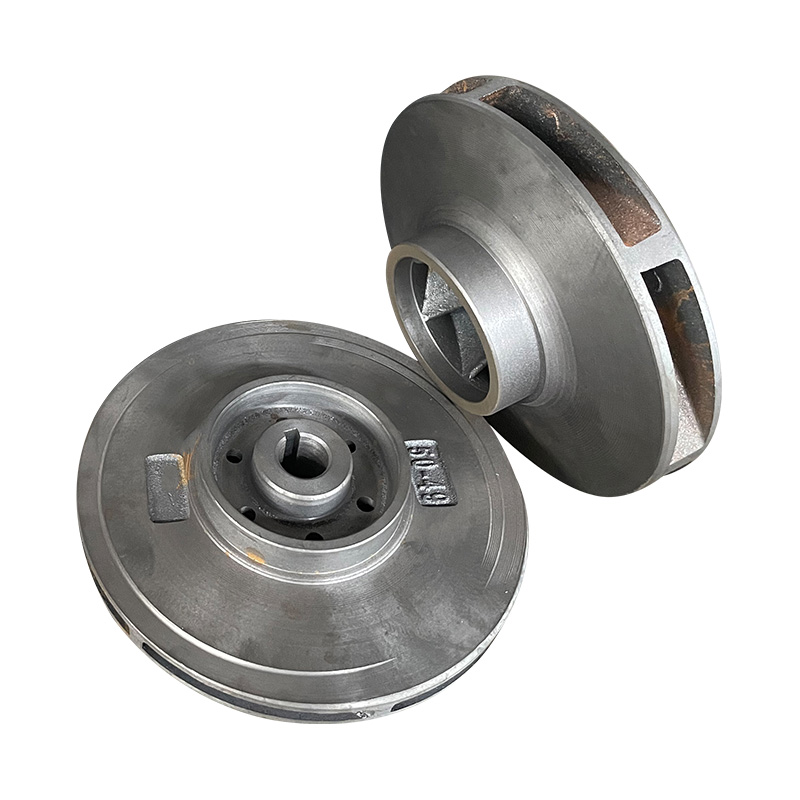
TD Energy Efficient Circulation Pump Cast Iron Impeller is an importan...
See Details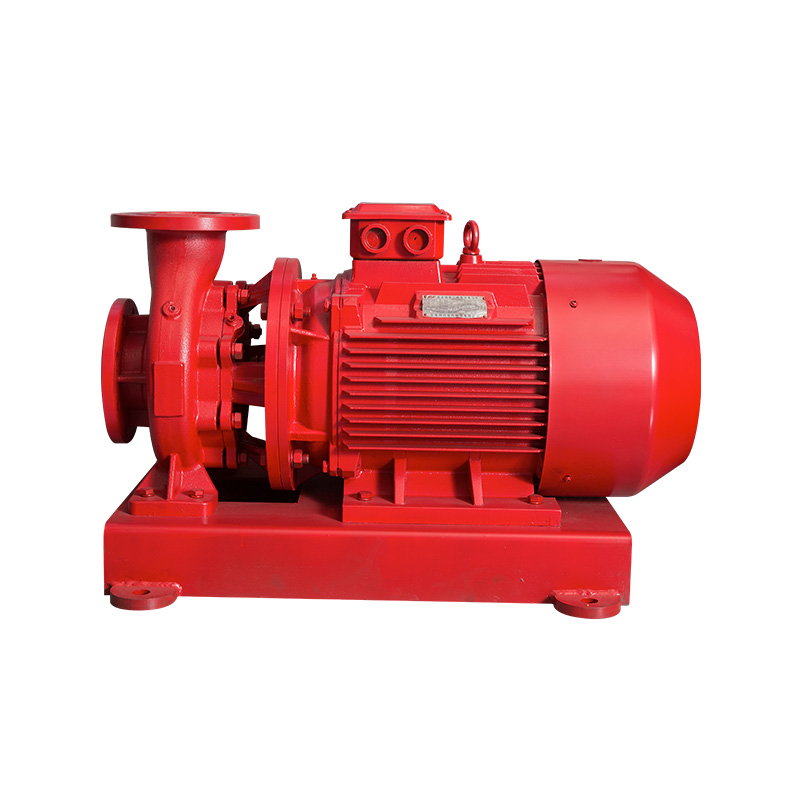
ISW series single-stage single-suction horizontal centrifugal pumps ar...
See Details
The pipeline pump B14 pump cover is a specific type of pump cover for ...
See Details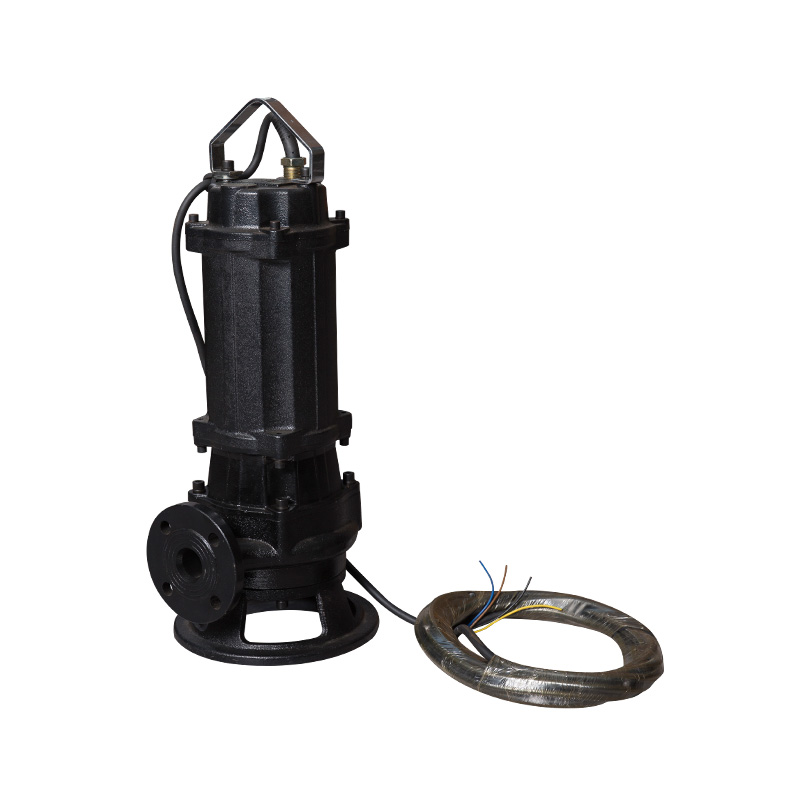
1. Our WQ-type general sewage pump adopts a large flow channel anti-cl...
See Details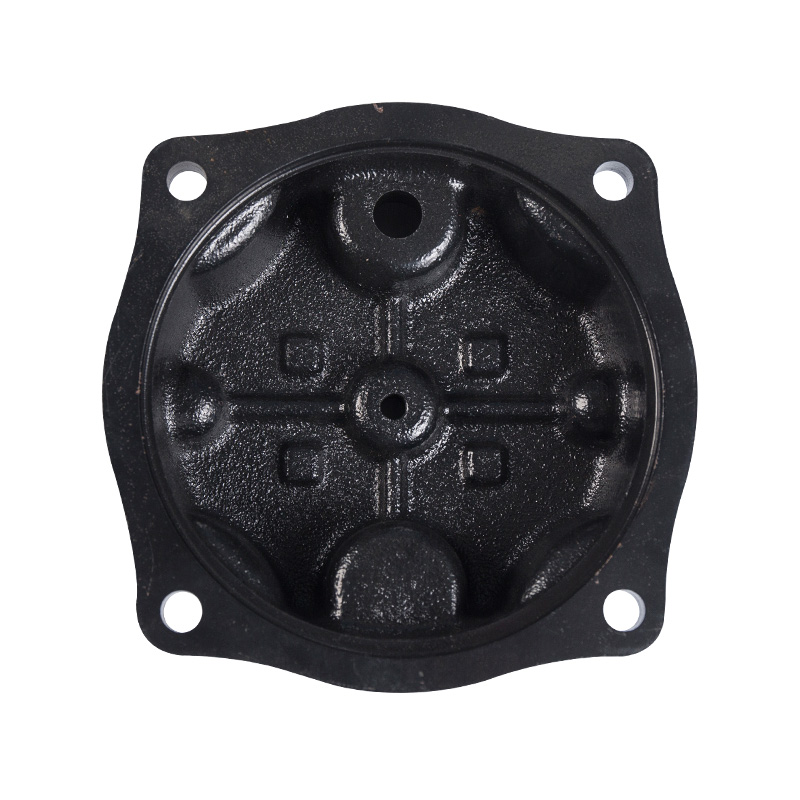
Installed on the upper part of the sewage pump unit, it is used for li...
See Details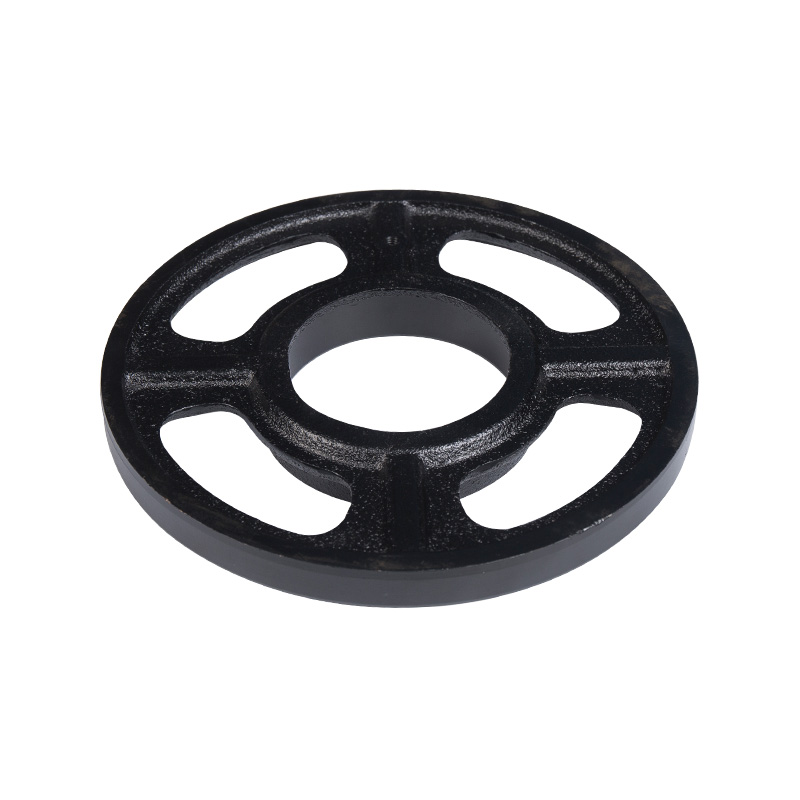
Installed inside the sewage pump unit, they support the rotor part of ...
See Details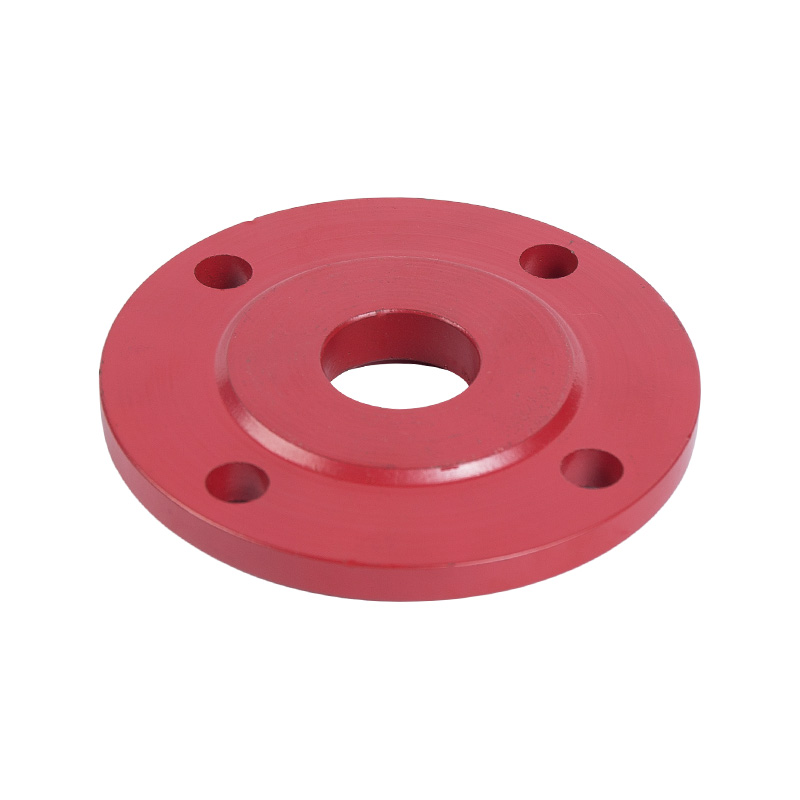
The machine seal gland is a component that encloses the machine seal u...
See Details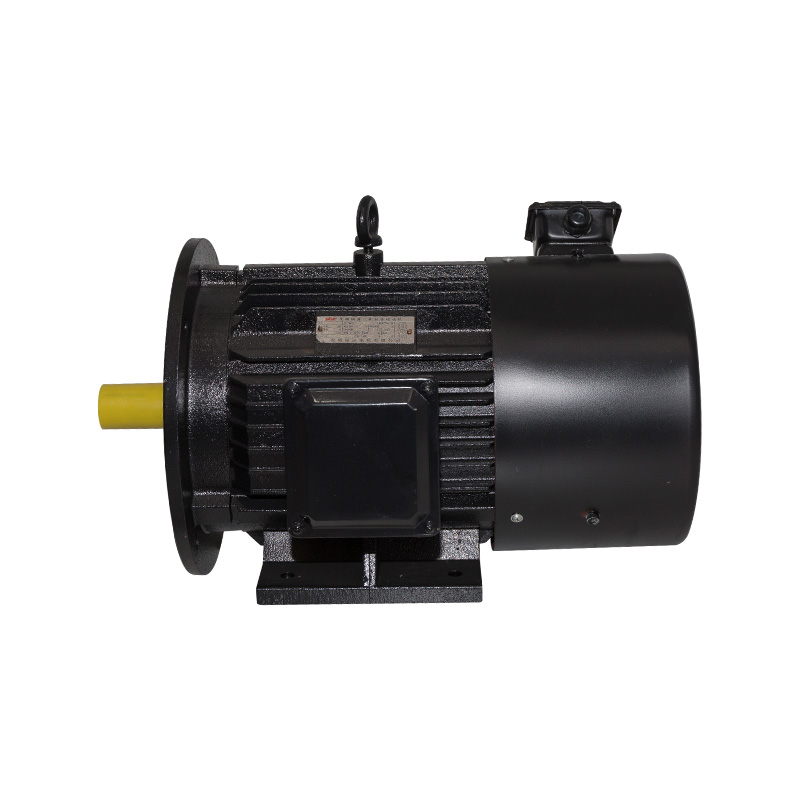
Also known as base mounting, the motor is connected to the mounting da...
See Details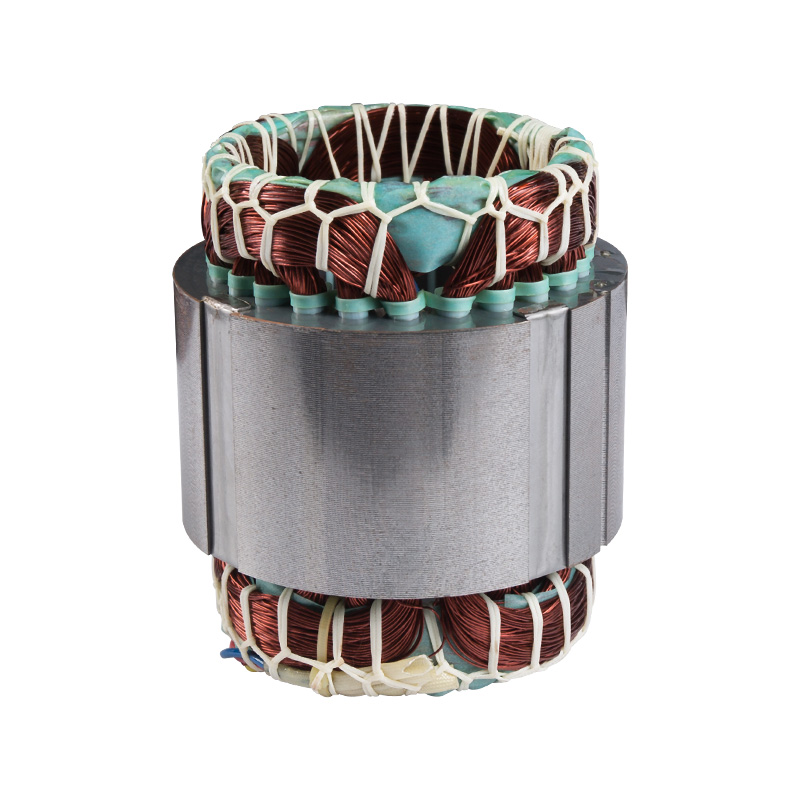
The stator of a motor refers to the fixed part which contains the stat...
See Details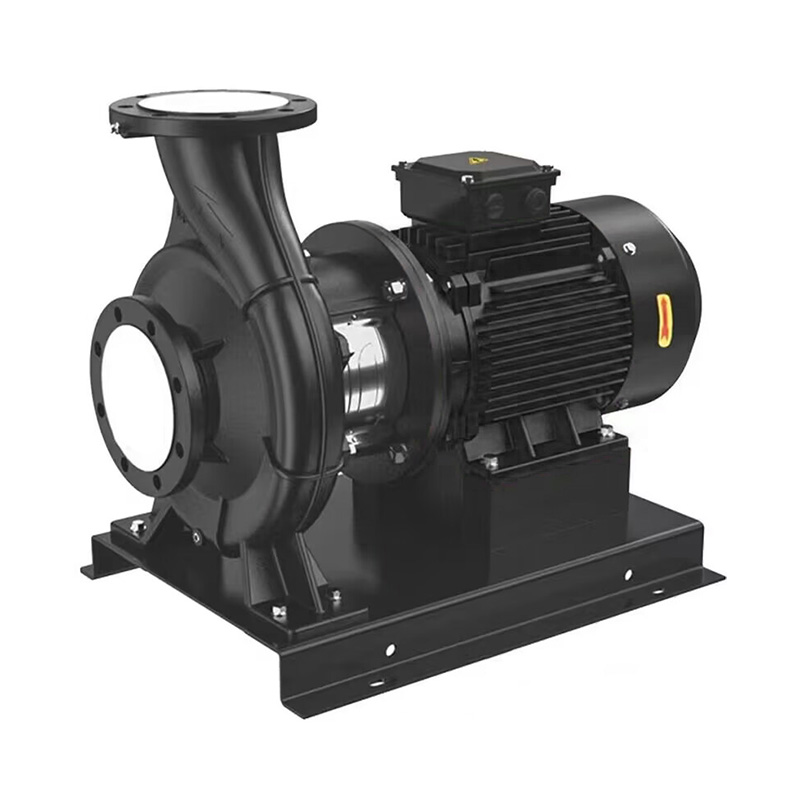
1.TD horizontal high-efficiency and energy-saving circulation pump is ...
See Details
+86-0563-2251312

+86-0563-2251311

+86-139 6620 0379


No.43 Guohua Road, Guangde Economic Development Zone, Xuancheng City, Anhui Province, China
