
 search
 EN
EN  русский
 عربى
عربى 简体中文
简体中文News
Home / News / Industry News / How Do Cutting Sewage Pumps Prevent Clogs and Improve Wastewater Handling?
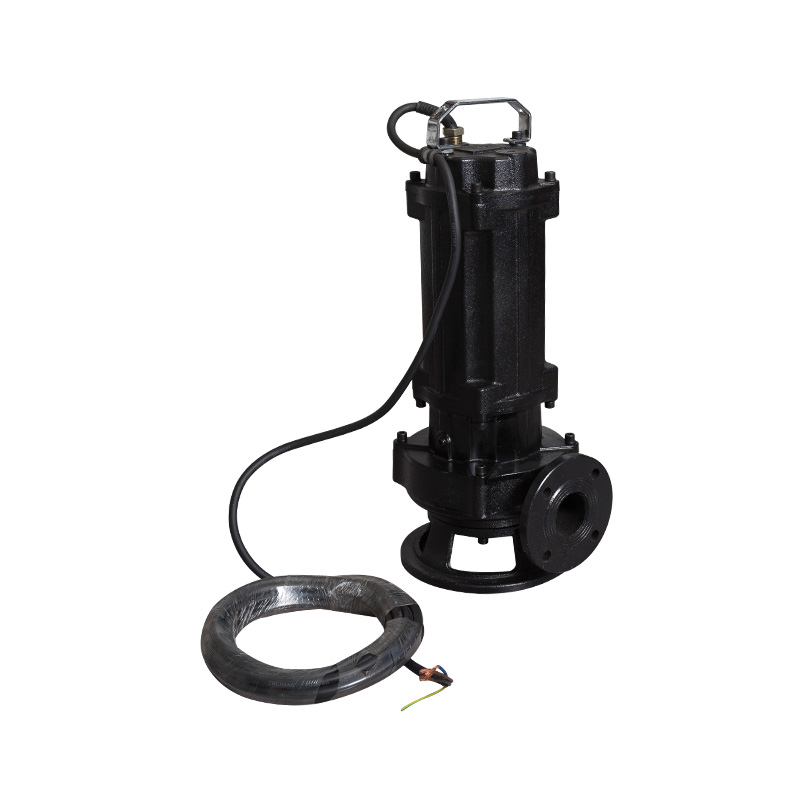
Cutting sewage pumps are specialized wastewater pumps designed to handle liquids containing solids, fibrous materials, and debris without clogging. They combine a centrifugal pumping mechanism with cutting blades that shred large solids before they enter the pump, ensuring smooth flow and preventing blockages in piping systems.
These pumps are essential in municipal wastewater treatment, industrial effluent handling, and residential sewage systems. By reducing the size of solids in sewage, they protect downstream equipment, reduce maintenance costs, and improve overall system reliability.
Understanding the structure of a cutting sewage pump helps in selection, installation, and maintenance.
The pump casing is typically made from cast iron, stainless steel, or high-strength alloys. It is designed to withstand abrasive fluids and prevent corrosion. The casing also houses the impeller and cutting assembly.
The impeller moves fluid efficiently while integrated cutting blades shred fibrous or solid materials. The number, shape, and arrangement of cutting edges determine the cutting efficiency and particle size reduction.
Cutting sewage pumps use electric motors or diesel engines, depending on application. Motors are usually protected against moisture and overheating, and can be submersible or dry-mounted. Drive mechanisms may include direct-coupled or belt-driven systems.
Mechanical seals and bearings ensure leak-free operation and long service life. Bearings are lubricated either by oil or grease, depending on the pump design, and must withstand high axial and radial loads caused by solids.
Cutting sewage pumps are selected based on performance specifications to match the application.
Flow rate depends on impeller design, pump diameter, and motor speed. Head represents the pressure the pump can generate to move liquid through piping systems. Balancing flow rate and head ensures energy-efficient operation and prevents cavitation.
Cutting capacity defines the size and type of solids the pump can handle. High-capacity pumps can shred fibrous materials, plastics, and sanitary waste, reducing the risk of clogs in downstream pipelines.
Efficiency depends on impeller design, motor type, and flow conditions. Optimized cutting sewage pumps consume less energy while maintaining effective pumping performance. Selection of a properly sized pump reduces operational costs.
Cutting sewage pumps are widely used wherever sewage contains solids or fibrous material that may obstruct regular pumps.
These pumps are installed at lift stations, sewage collection points, and treatment plants. By shredding solids, they reduce maintenance on downstream pumps, prevent clogging in piping, and improve overall treatment efficiency.
Industries such as food processing, pulp and paper, and textile manufacturing generate effluents with fibrous and solid waste. Cutting sewage pumps efficiently process this wastewater, preventing pump failures and reducing downtime.
In apartment complexes, hotels, and commercial buildings, these pumps ensure reliable sewage transfer and minimize blockages caused by sanitary products, hair, and kitchen waste.
Proper maintenance extends the life of cutting sewage pumps and ensures uninterrupted operation.
| Feature | Standard Centrifugal Pump | Cutting Sewage Pump |
| Solids Handling | Limited | High, with shredding capability |
| Maintenance | Moderate, may clog | Lower, prevents clogs |
| Application | Clean water or minor solids | Wastewater with solids, fibrous material |
| Durability | Moderate | High, abrasion-resistant materials |
Cutting sewage pumps are critical components in modern wastewater management, preventing clogs and ensuring reliable transfer of solids-laden liquids. Proper selection, installation, and maintenance optimize performance, extend service life, and reduce operational costs.
By understanding the pump’s design, cutting mechanism, and performance characteristics, engineers and operators can ensure efficient sewage handling across municipal, industrial, and residential applications, minimizing downtime and maintenance challenges.
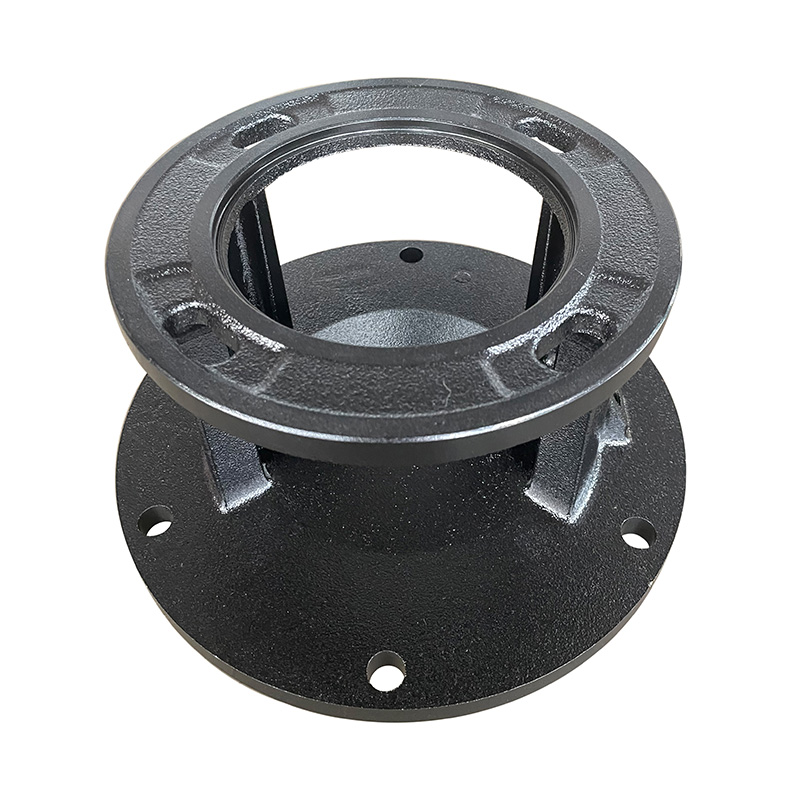
A vertical base is a pedestal used to support and secure a vertical TD...
See Details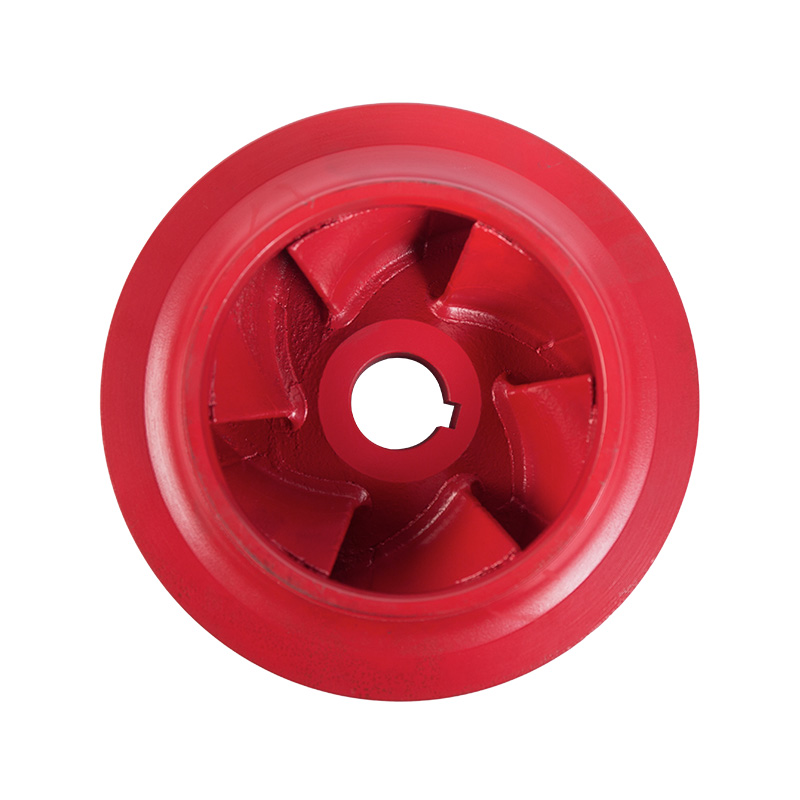
The impeller refers to both the disc with moving blades, which is an i...
See Details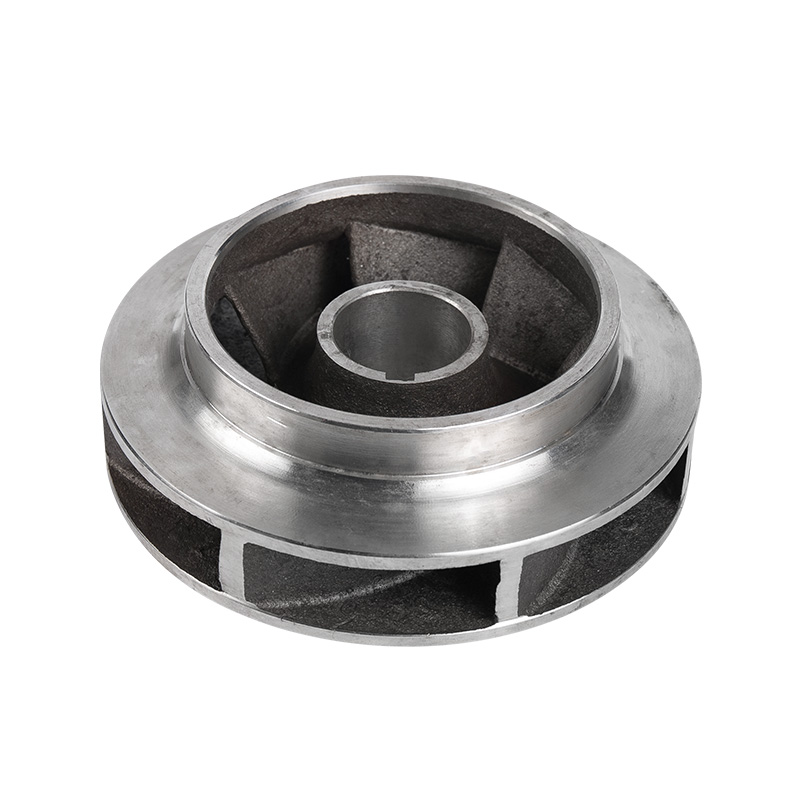
Stainless steel impeller material is stainless steel, it is not easy t...
See Details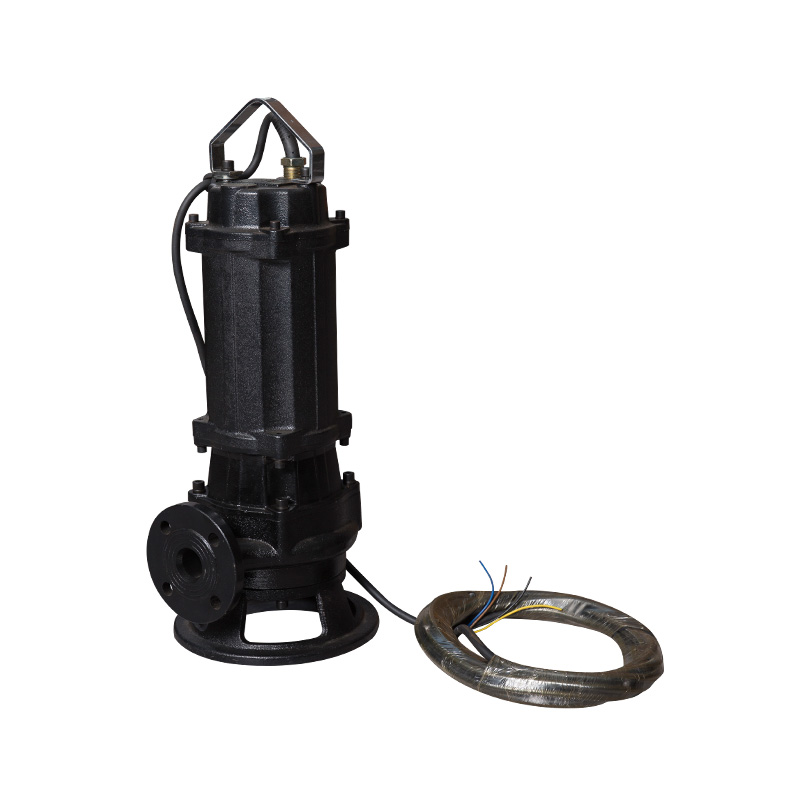
1. Our WQ-type general sewage pump adopts a large flow channel anti-cl...
See Details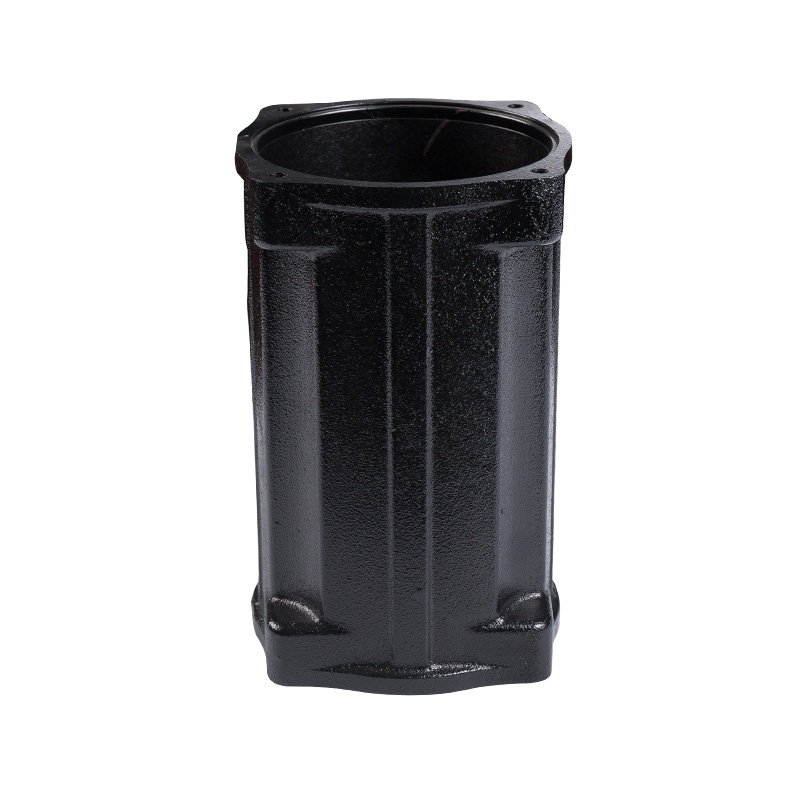
The casing of the sewage pump unit plays a role in protecting the inte...
See Details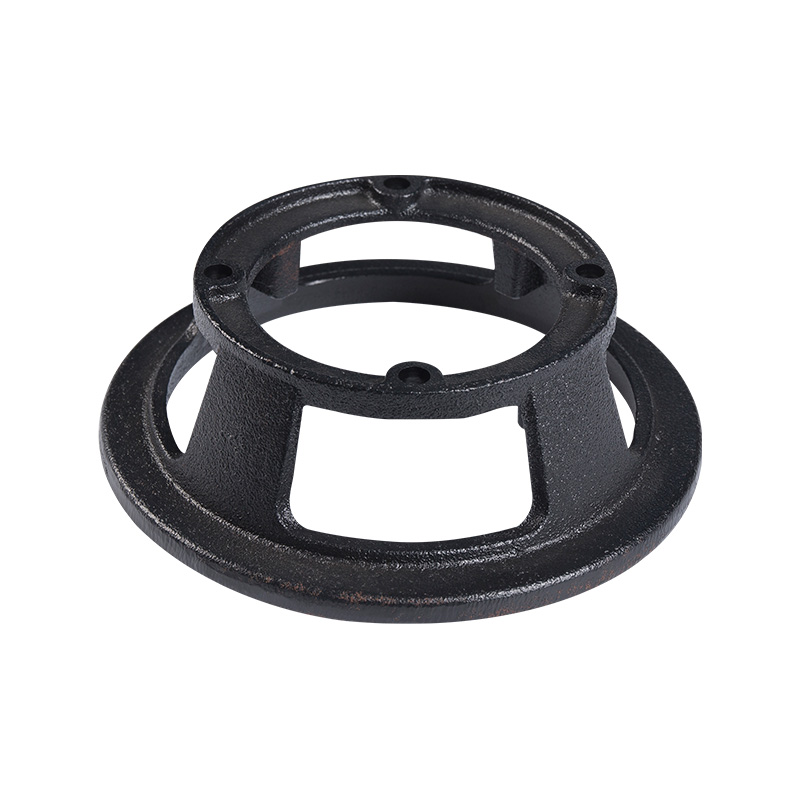
Components mounted on the bottom of the sewage pump unit to support th...
See Details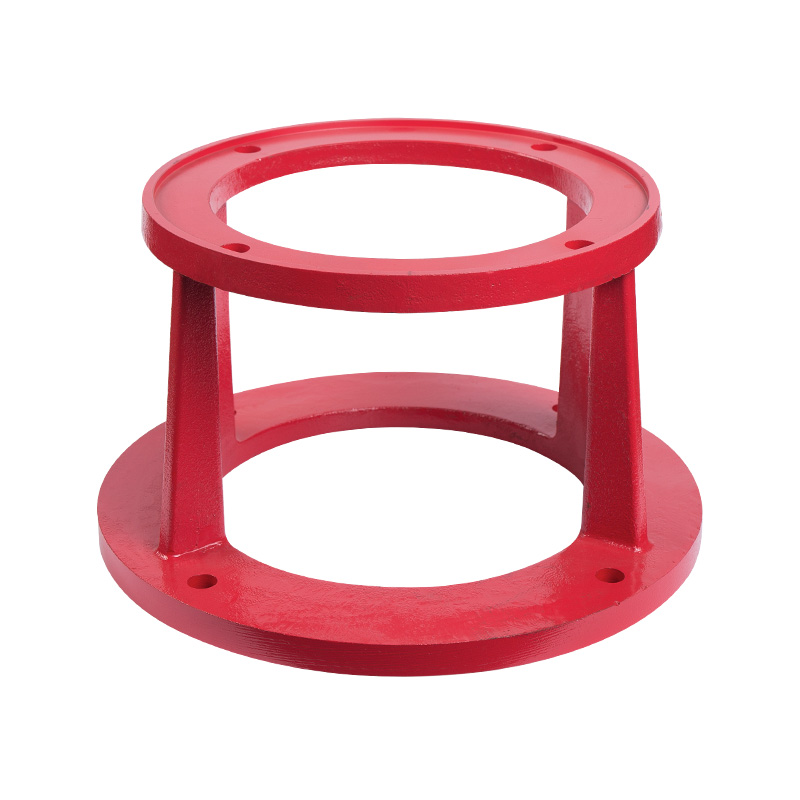
Motor bracket is a support part used to fix the motor and connect the ...
See Details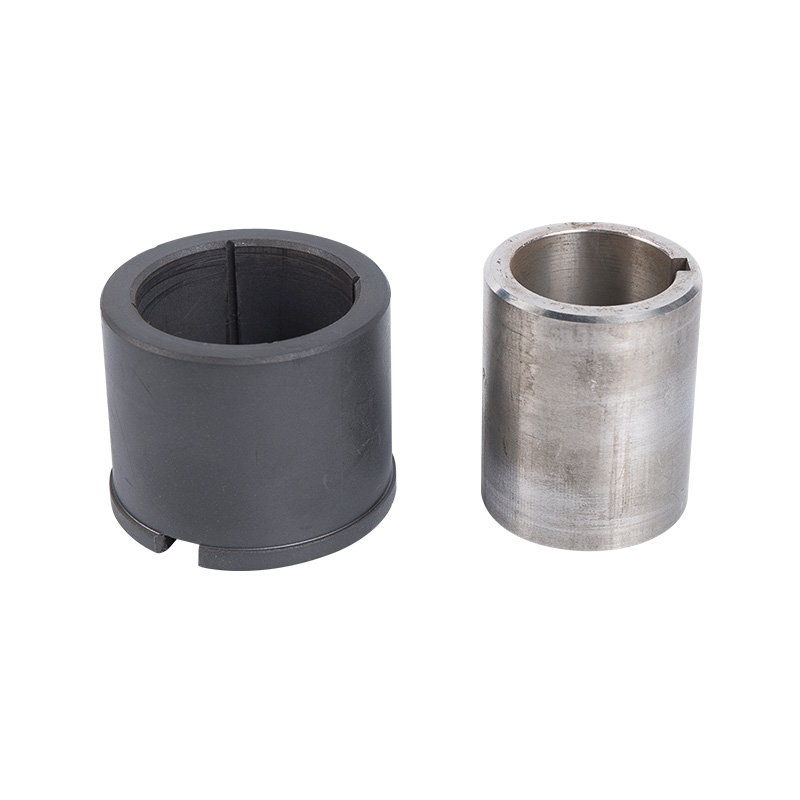
Stainless Steel Bearing Sleeves are bearing sleeves made of stainless ...
See Details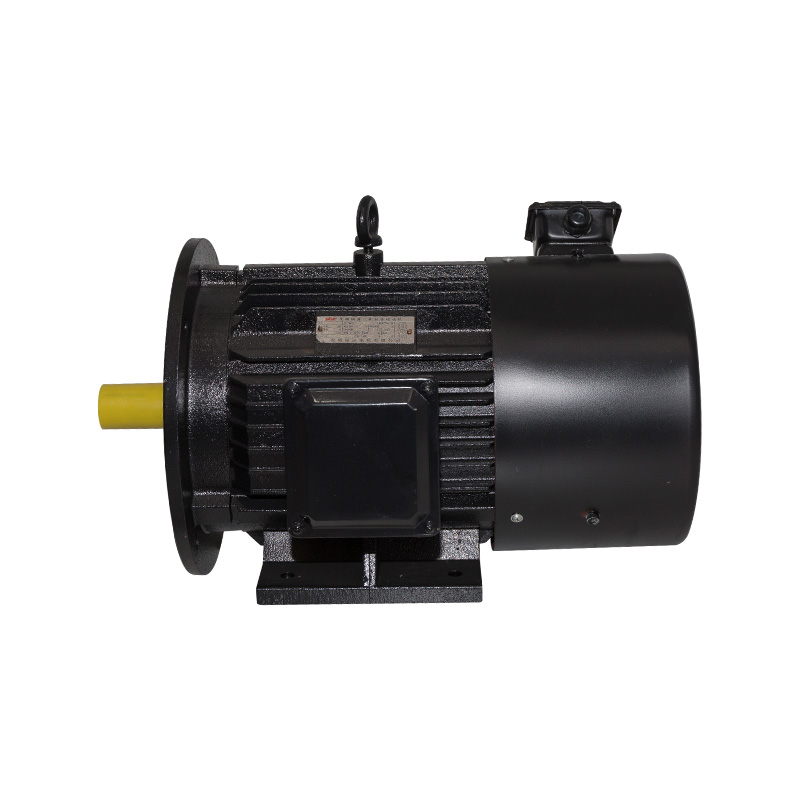
Also known as base mounting, the motor is connected to the mounting da...
See Details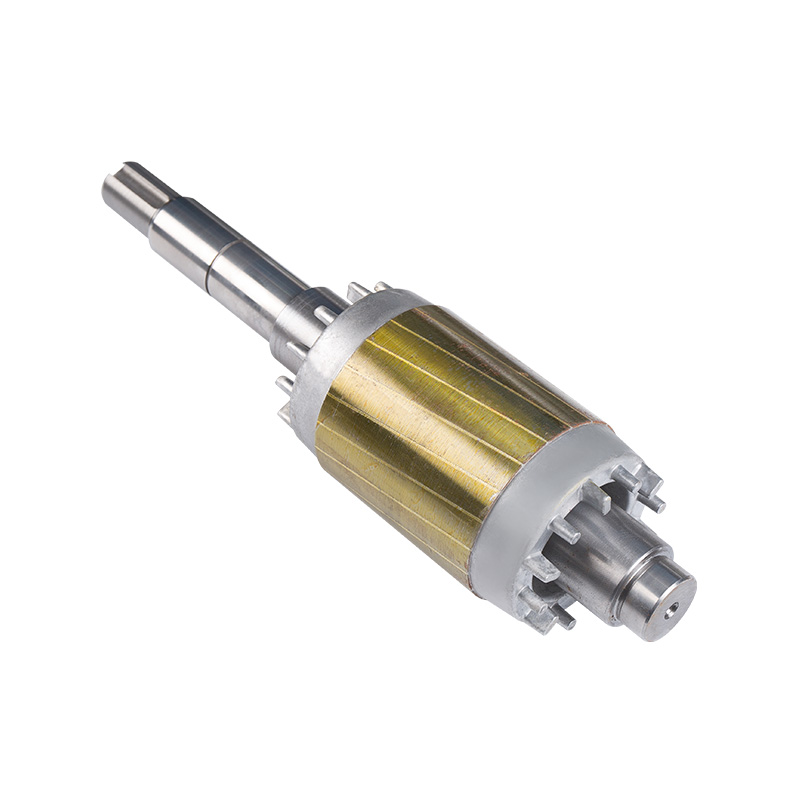
The rotor of a motor refers to the rotating part, which contains the r...
See Details
+86-0563-2251312

+86-0563-2251311

+86-139 6620 0379


No.43 Guohua Road, Guangde Economic Development Zone, Xuancheng City, Anhui Province, China
