
 search
 EN
EN  русский
 عربى
عربى 简体中文
简体中文News
Home / News / Industry News / How Does a Cutting Sewage Pump Prevent Clogs and Ensure Efficient Wastewater Flow?
A cutting sewage pump is a specialized type of submersible or dry-installed pump designed to handle wastewater containing fibrous, stringy, or solid materials. Unlike conventional sewage pumps, cutting sewage pumps are equipped with sharp rotating blades that macerate debris, preventing clogging and ensuring smooth operation.
These pumps are widely used in municipal wastewater treatment, industrial effluent systems, and residential or commercial sewage networks where clogging due to solid or fibrous waste is a common issue. Their ability to shred materials makes them highly efficient in maintaining uninterrupted flow.
The cutting sewage pump operates by combining traditional centrifugal pumping principles with integrated cutting mechanisms. The motor drives an impeller that moves the wastewater, while the cutting device shreds large solids and fibrous materials into smaller pieces.
The shredded waste is then discharged safely through the pump outlet, reducing the risk of blockages in downstream pipes or treatment equipment. This principle ensures consistent flow rates and minimizes maintenance requirements.
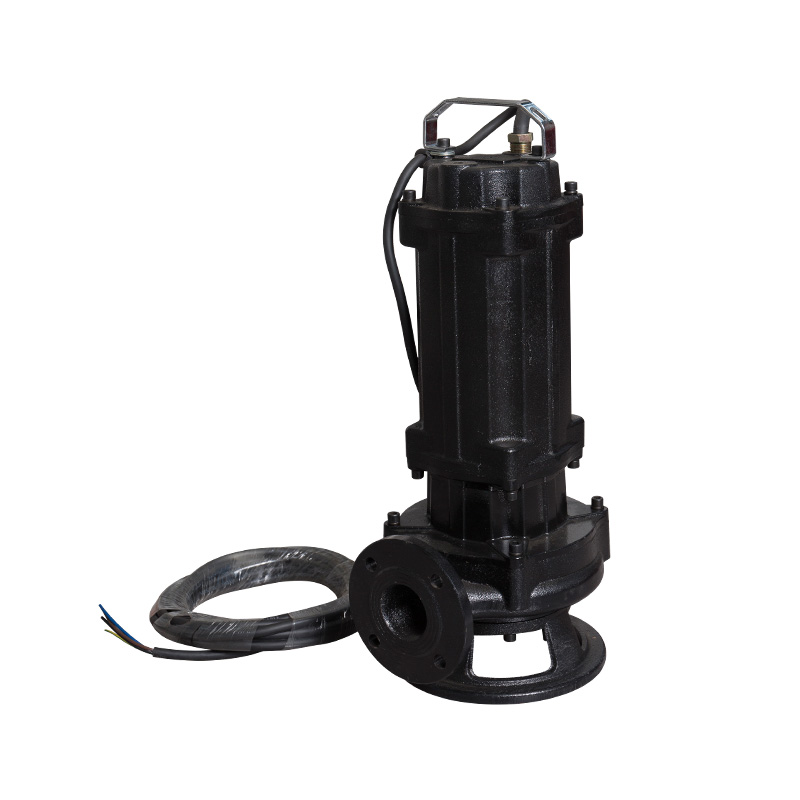
Understanding the main components helps in selecting and maintaining cutting sewage pumps effectively:
Cutting sewage pumps can be categorized based on installation, cutting mechanism, and design features.
Submersible cutting pumps are installed directly in wastewater pits or sumps. Their sealed motor allows complete submersion, making them ideal for deep sewage tanks or flooded areas. They provide quiet operation and high efficiency in confined spaces.
Dry-installed pumps are mounted outside the wastewater source, with suction pipes drawing in sewage. These pumps are easier to maintain and are preferred where submersion is not feasible or for high-capacity industrial systems.
Single-stage cutting pumps use one impeller and cutting unit, suitable for standard domestic and light industrial applications. Multi-stage pumps include multiple impellers and cutting units, providing higher head and flow rates for heavy-duty wastewater treatment.
Cutting sewage pumps are widely used in diverse applications:
Cutting sewage pumps offer distinct advantages over conventional pumps:
Choosing the right cutting sewage pump requires consideration of the following factors:
| Parameter | Description | Application Impact |
| Flow rate | Volume of wastewater pumped per hour | Determines suitability for small or large-scale systems |
| Head | Maximum vertical pumping height | Affects pipe design and energy requirements |
| Motor power | Rated power of the pump motor | Ensures adequate torque for cutting and pumping |
| Material compatibility | Resistance to corrosion and abrasion | Extends pump life in harsh wastewater conditions |
| Cutting capacity | Size and type of solids that can be shredded | Prevents clogs and maintains consistent flow |
Regular maintenance ensures longevity and reliable performance. Key tips include:
Cutting sewage pumps play a critical role in modern wastewater management by preventing clogs and ensuring smooth flow. By understanding pump types, cutting mechanisms, and performance parameters, engineers and operators can optimize selection, installation, and maintenance.
Properly applied, these pumps reduce downtime, increase system reliability, and handle challenging sewage compositions effectively, making them an essential tool for municipal, industrial, and commercial wastewater systems.
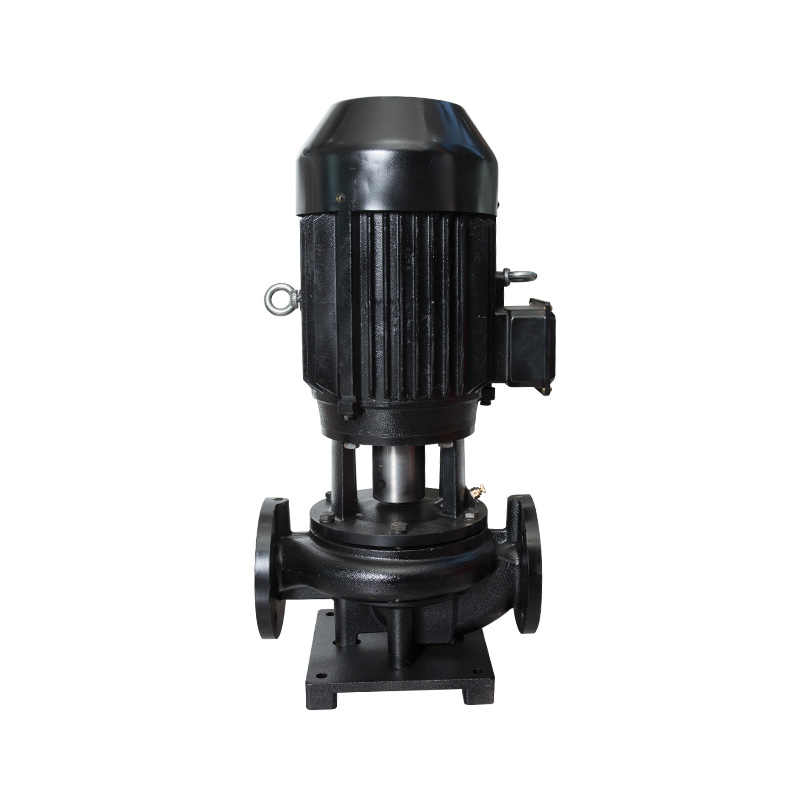
The TD type single-stage pipeline circulation pump is a green, environ...
See Details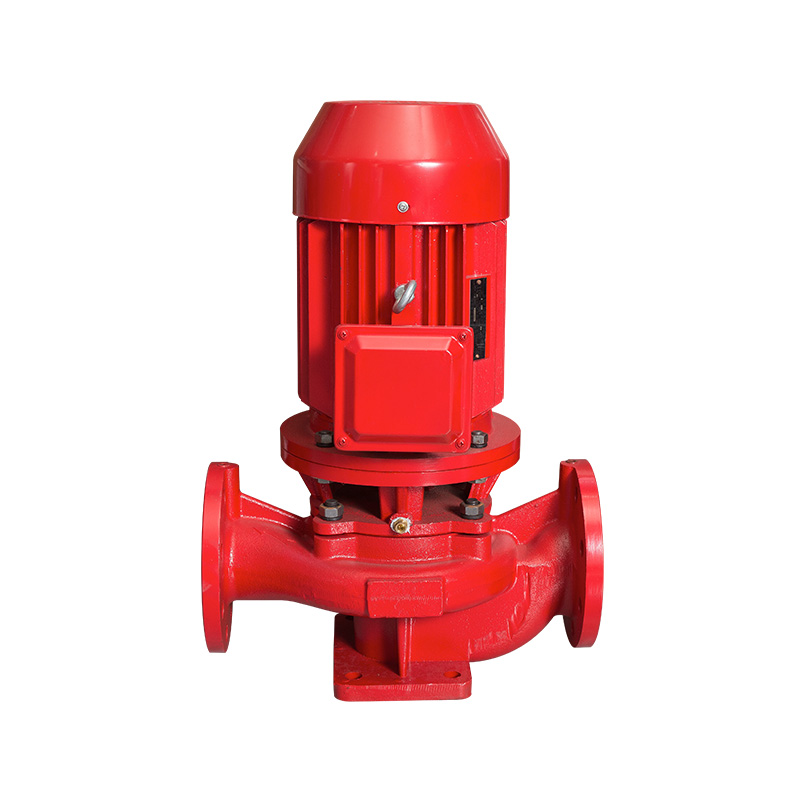
ISG series single-stage single-suction vertical centrifugal pump is a ...
See Details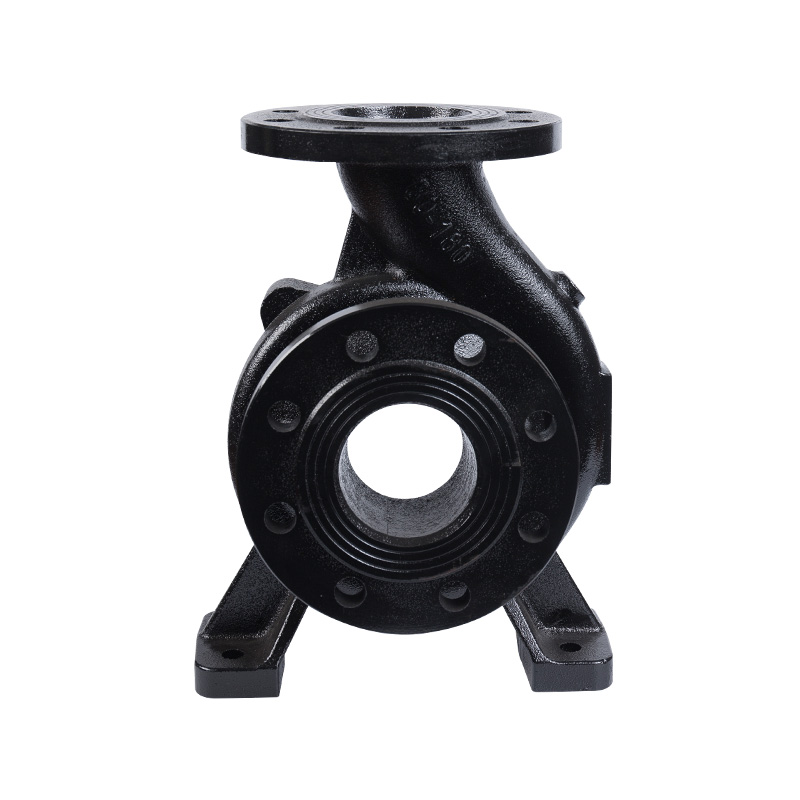
The pump body consists of two main parts: suction chamber and pressure...
See Details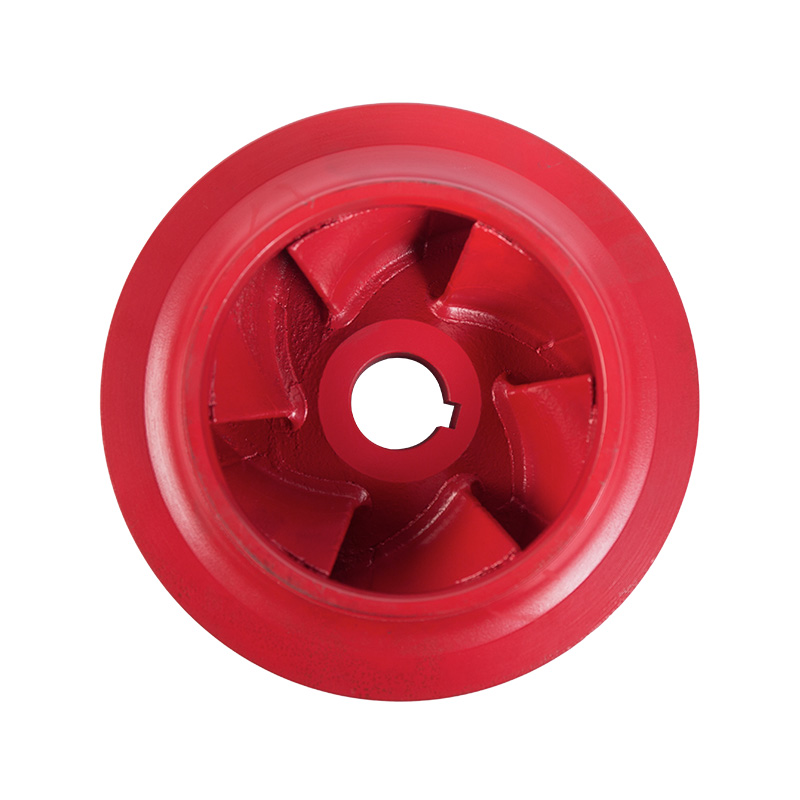
The impeller refers to both the disc with moving blades, which is an i...
See Details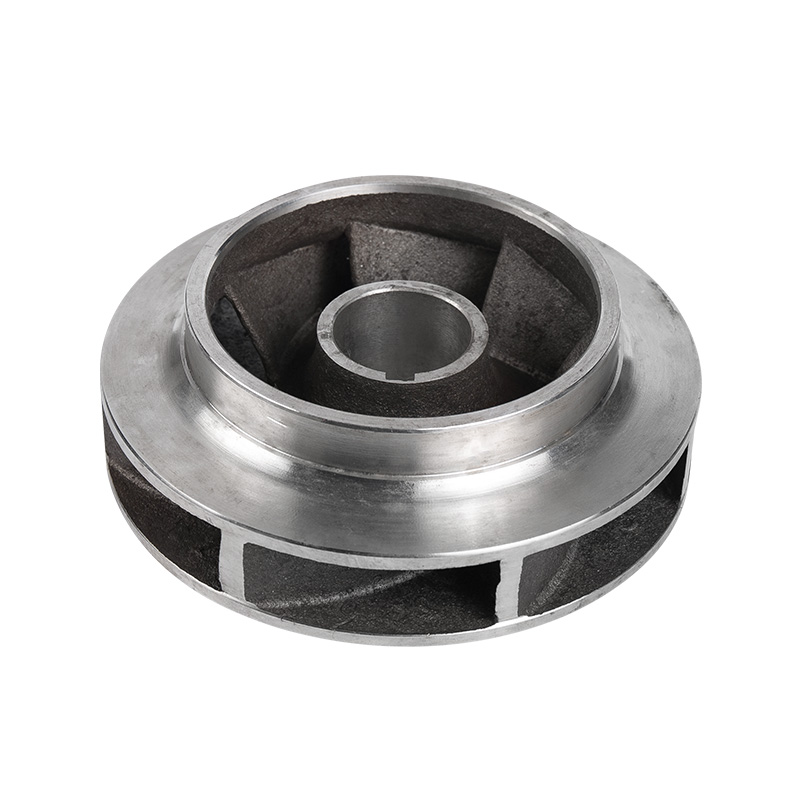
Stainless steel impeller material is stainless steel, it is not easy t...
See Details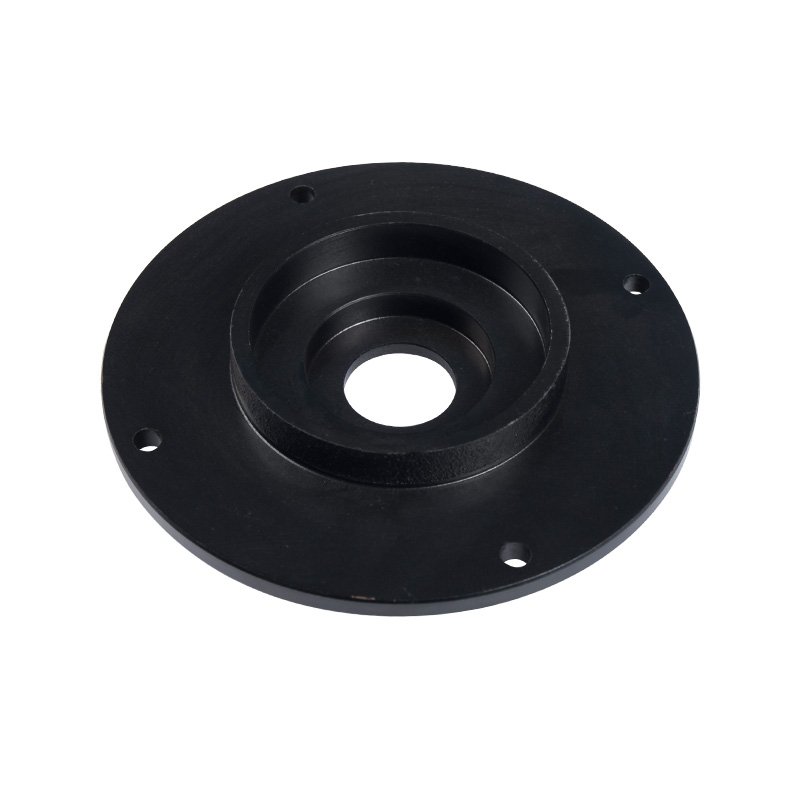
Installed on the top of the sewage pump unit, it is used to enclose th...
See Details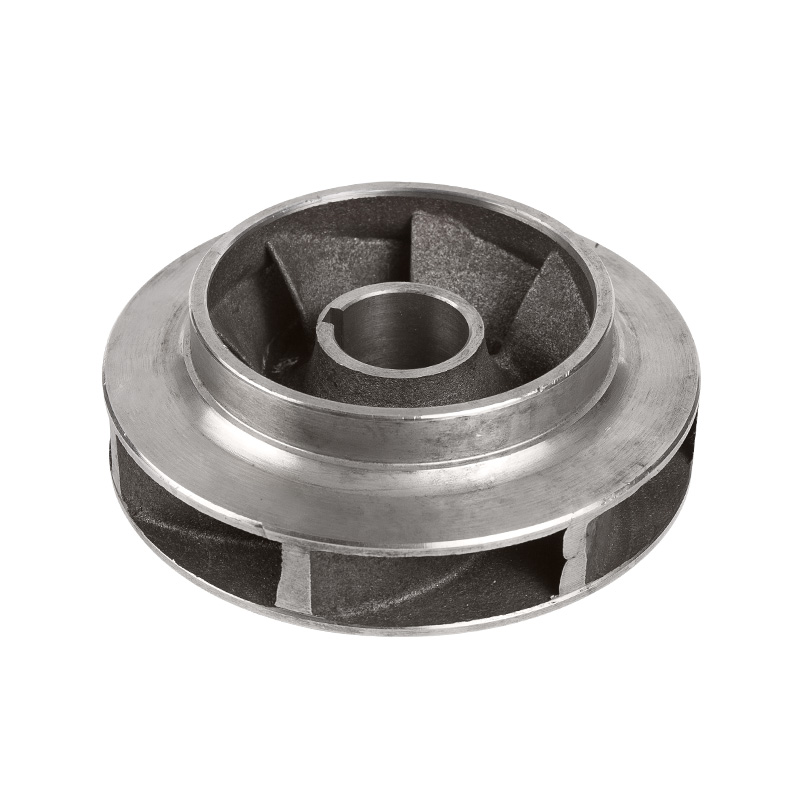
Stainless steel impellers are impellers made of stainless steel materi...
See Details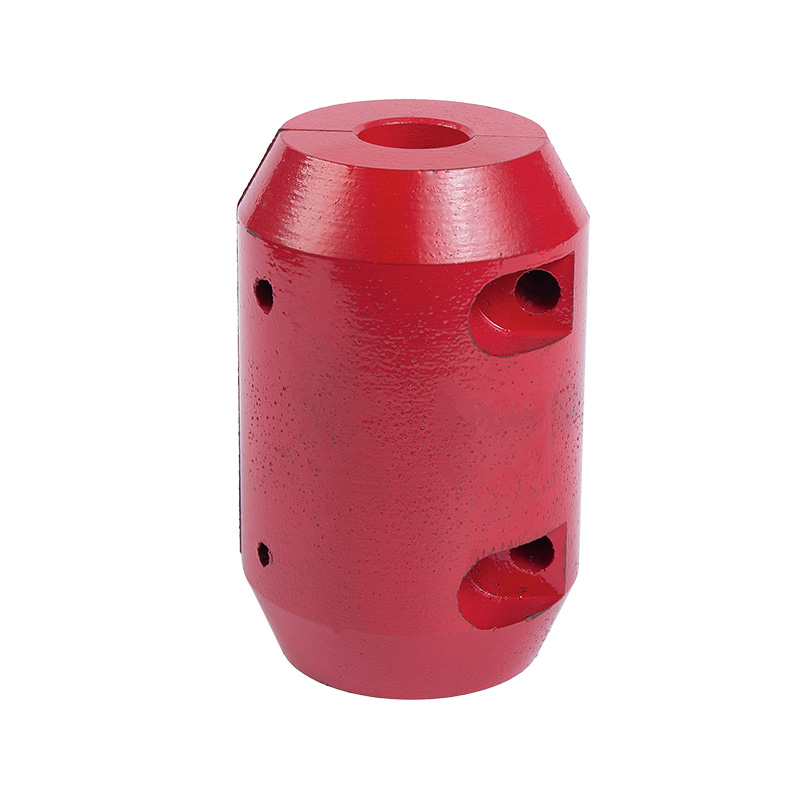
Couplings are used to connect the pump shaft to the motor shaft for en...
See Details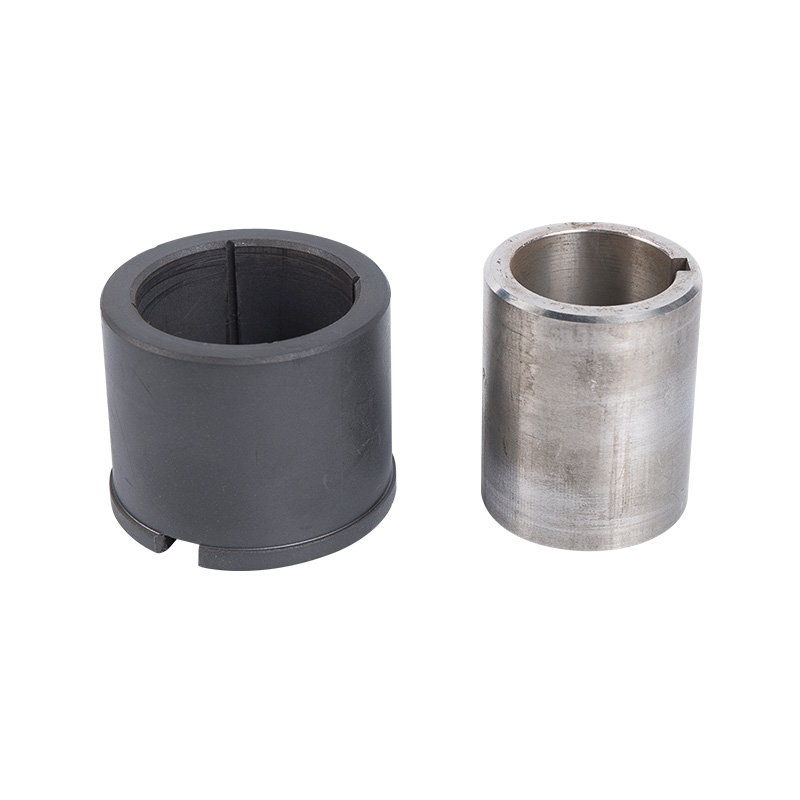
Stainless Steel Bearing Sleeves are bearing sleeves made of stainless ...
See Details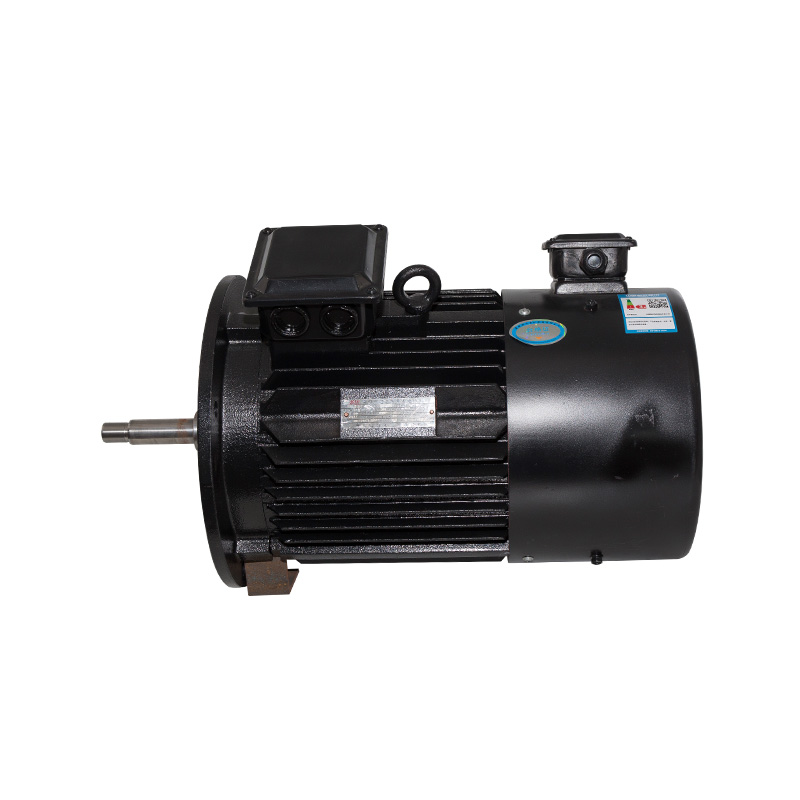
A type of adjustable speed motor that can control the speed of the mot...
See Details
+86-0563-2251312

+86-0563-2251311

+86-139 6620 0379


No.43 Guohua Road, Guangde Economic Development Zone, Xuancheng City, Anhui Province, China
