
 search
 EN
EN  русский
 عربى
عربى 简体中文
简体中文News
Home / News / Industry News / What Maintenance Practices Keep a Cooling Tower Circulation Pump Running Efficiently?
Cooling tower circulation pumps are a critical component of HVAC and industrial cooling systems, responsible for moving water through the tower to dissipate heat efficiently. Proper maintenance of these pumps ensures optimal performance, energy efficiency, and long operational life. Neglecting maintenance can lead to reduced flow rates, higher energy consumption, mechanical failures, and costly downtime. This article explores comprehensive maintenance practices that keep cooling tower circulation pumps running efficiently.
Cooling tower circulation pumps circulate water from the cooling tower basin to the heat exchangers and back, facilitating the removal of heat generated by industrial processes or HVAC systems. Their efficiency directly impacts the overall thermal performance of the system, energy usage, and the longevity of other components such as the tower fill, pipes, and heat exchangers.
Understanding the operational parameters of the pump, such as flow rate, head pressure, and motor load, is essential for establishing an effective maintenance schedule and identifying potential performance issues early.
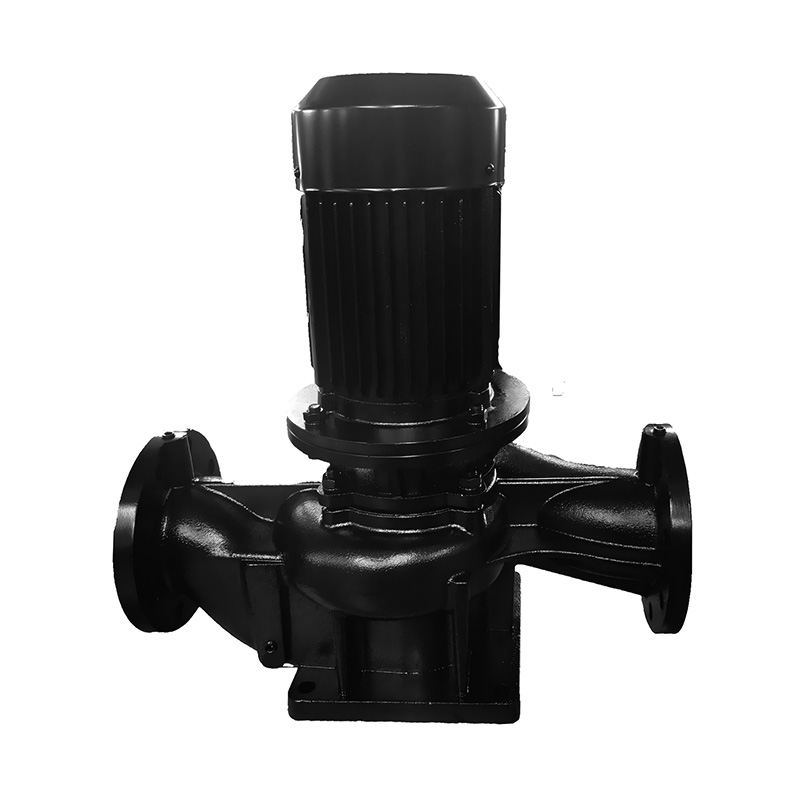
Regular inspection is crucial for maintaining cooling tower circulation pumps. Key inspection tasks include:
Early detection of these issues can prevent severe damage, reduce downtime, and maintain efficient operation.
Bearings in cooling tower circulation pumps require proper lubrication to minimize friction and wear. The type of lubricant, frequency of application, and lubrication method vary depending on the pump model and operating conditions.
Over-lubrication can cause overheating and seal damage, while under-lubrication accelerates bearing wear. Many modern pumps feature sealed or grease-packed bearings that reduce maintenance frequency. Regularly check bearing temperature and vibration readings to ensure proper lubrication and alignment.
Mechanical seals prevent water from leaking along the pump shaft and protect the motor from water ingress. Over time, seals can wear due to friction, chemical attack, or improper installation. Maintenance practices include:
The pump impeller is the heart of a cooling tower circulation pump. Scaling, debris, or corrosion can reduce efficiency and increase energy consumption. Key maintenance practices include:
The motor driving the circulation pump must also be maintained for reliable operation. Recommended practices include:
Water quality directly affects pump performance and longevity. Poor water quality can cause scaling, corrosion, and biological fouling. Key practices include:
Vibration and misalignment are common causes of premature pump failure. Maintenance procedures include:
Periodic overhauls ensure the pump continues to operate efficiently. Maintenance activities during overhauls include:
Maintaining a cooling tower circulation pump not only ensures reliability but also improves energy efficiency. Properly maintained pumps operate closer to their design specifications, reducing unnecessary energy consumption. Practices include:
Implementing a comprehensive maintenance program for cooling tower circulation pumps is essential for reliable operation, energy efficiency, and cost savings. Regular inspections, proper lubrication, seal and impeller care, motor maintenance, water quality management, and vibration monitoring all contribute to maximizing pump lifespan.
By following these best practices, facilities managers and engineers can reduce downtime, maintain consistent cooling performance, and extend the operational life of their cooling tower systems, ensuring that both energy consumption and maintenance costs remain under control.
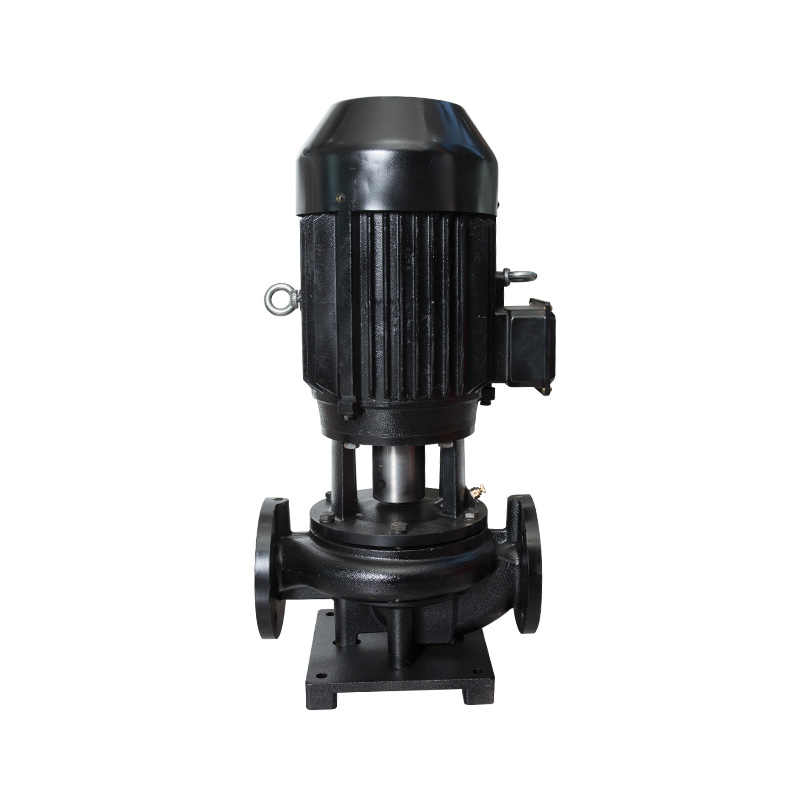
The TD type single-stage pipeline circulation pump is a green, environ...
See Details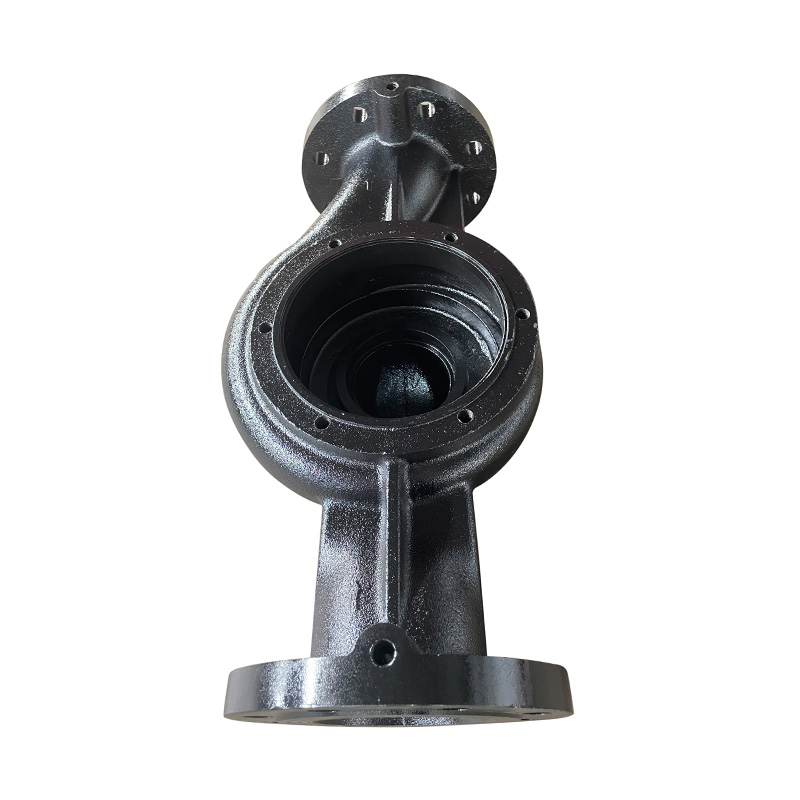
Vertical TD Energy Efficient Circulating Pump Pump Body is the shell o...
See Details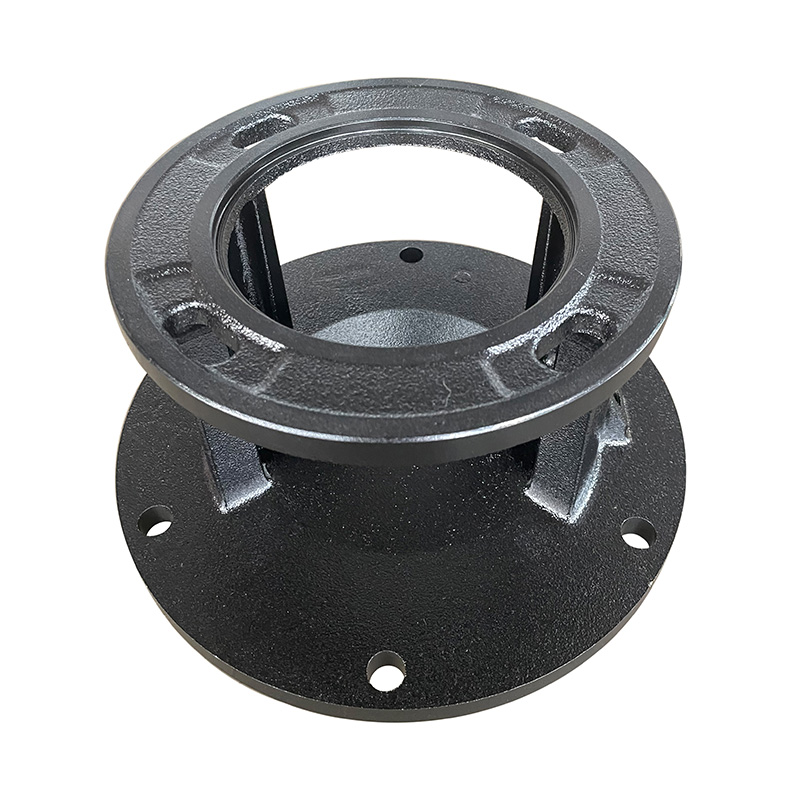
A vertical base is a pedestal used to support and secure a vertical TD...
See Details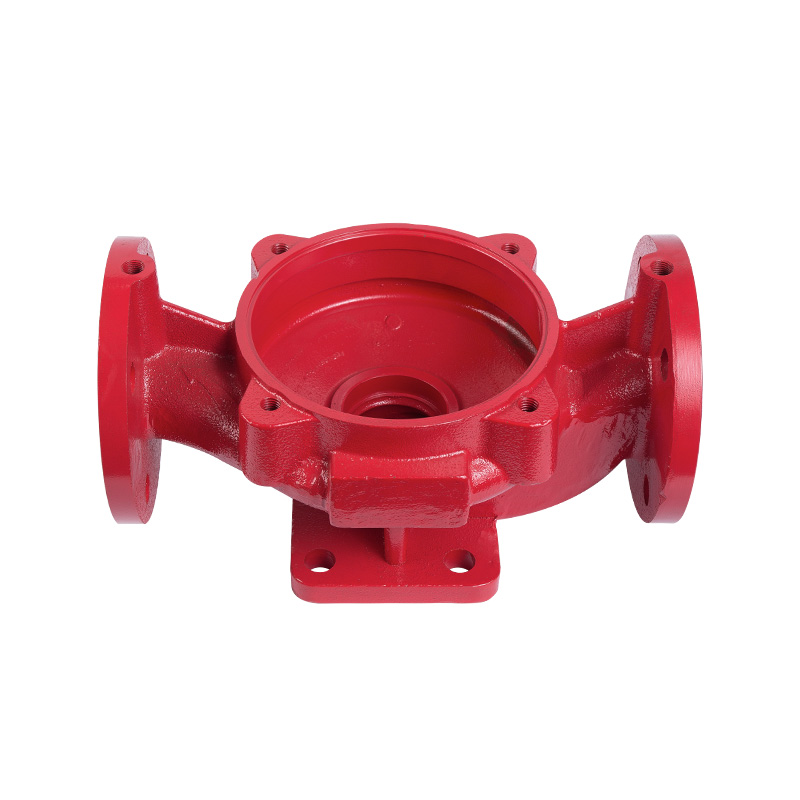
The pump body consists of two main parts: suction chamber and pressure...
See Details
The pipeline pump B14 pump cover is a specific type of pump cover for ...
See Details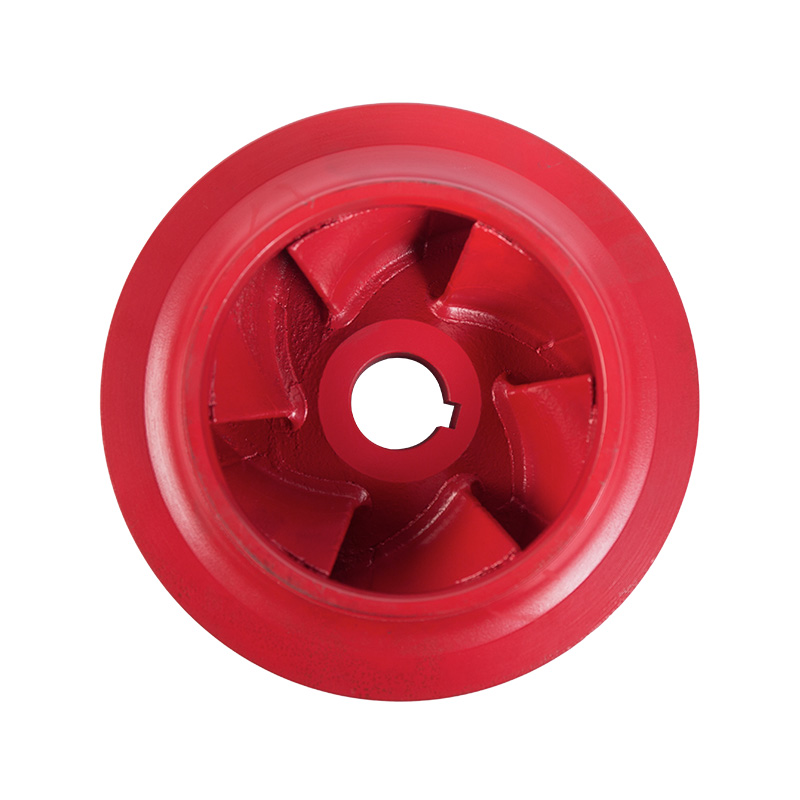
The impeller refers to both the disc with moving blades, which is an i...
See Details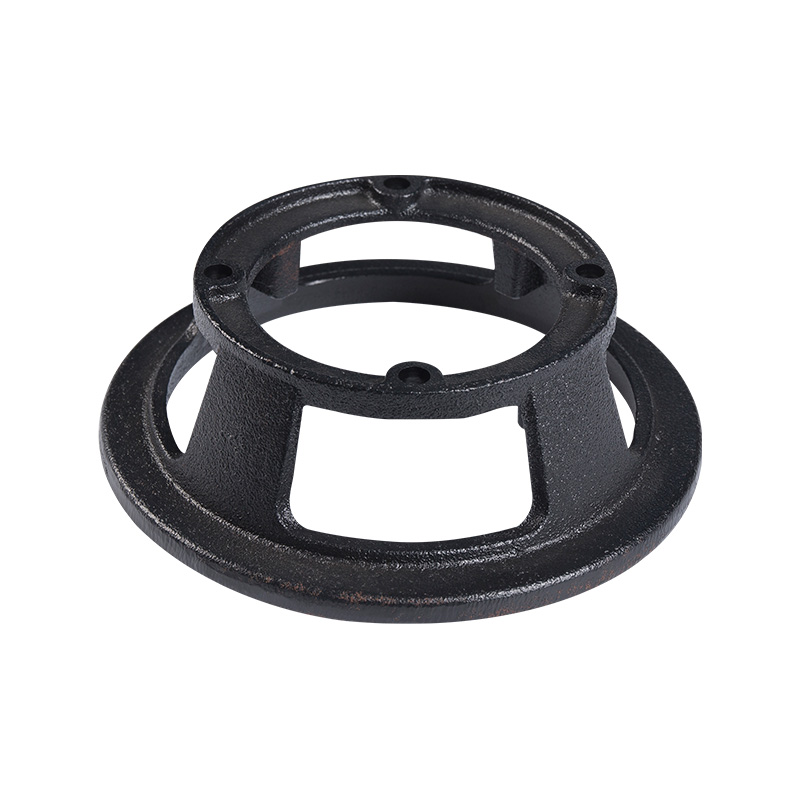
Components mounted on the bottom of the sewage pump unit to support th...
See Details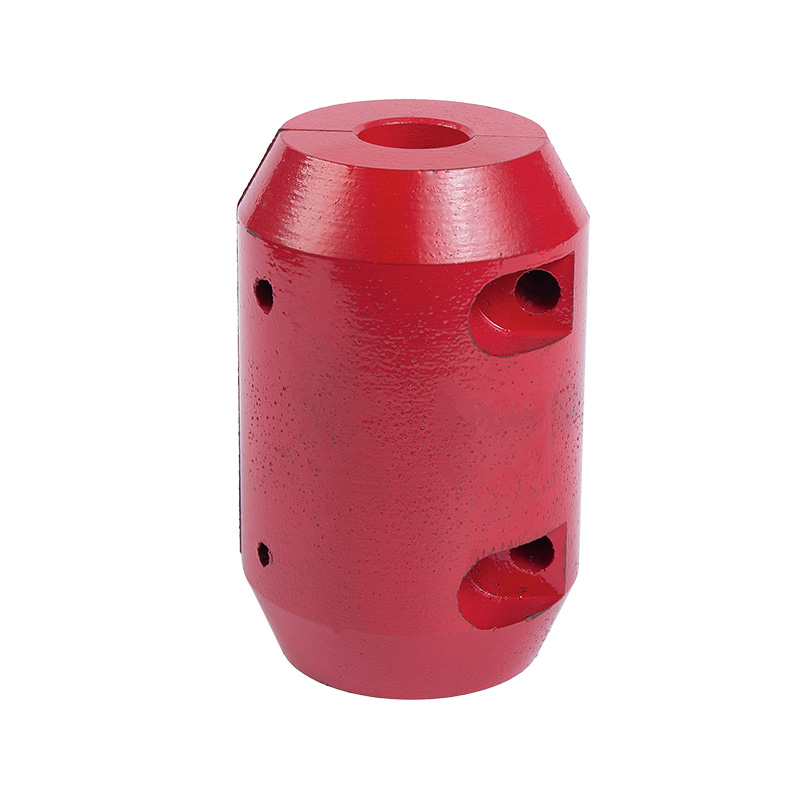
Couplings are used to connect the pump shaft to the motor shaft for en...
See Details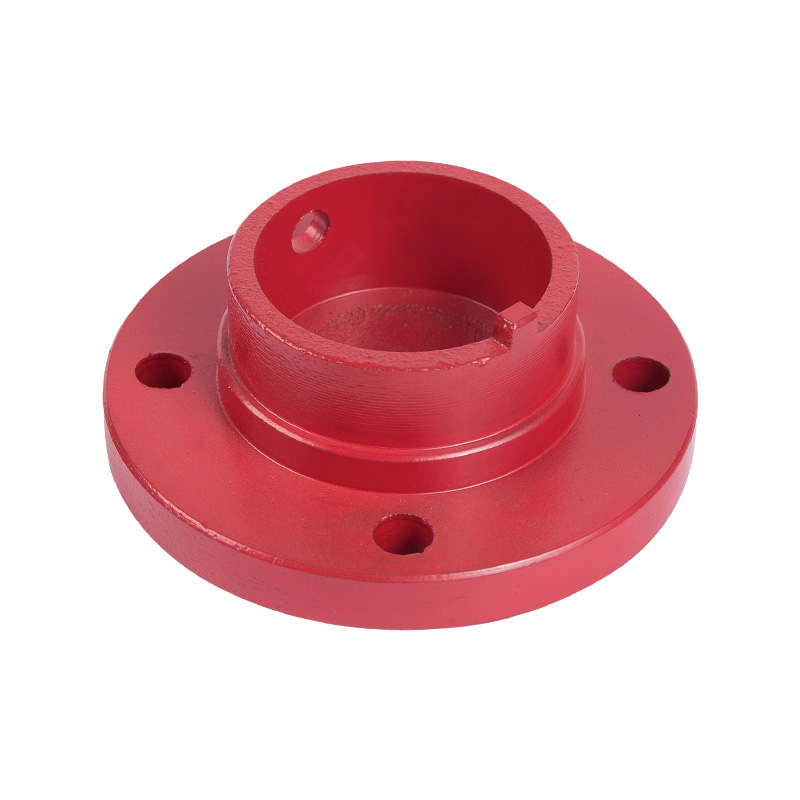
Water bearing gland is the gland for fixing the water bearing, which s...
See Details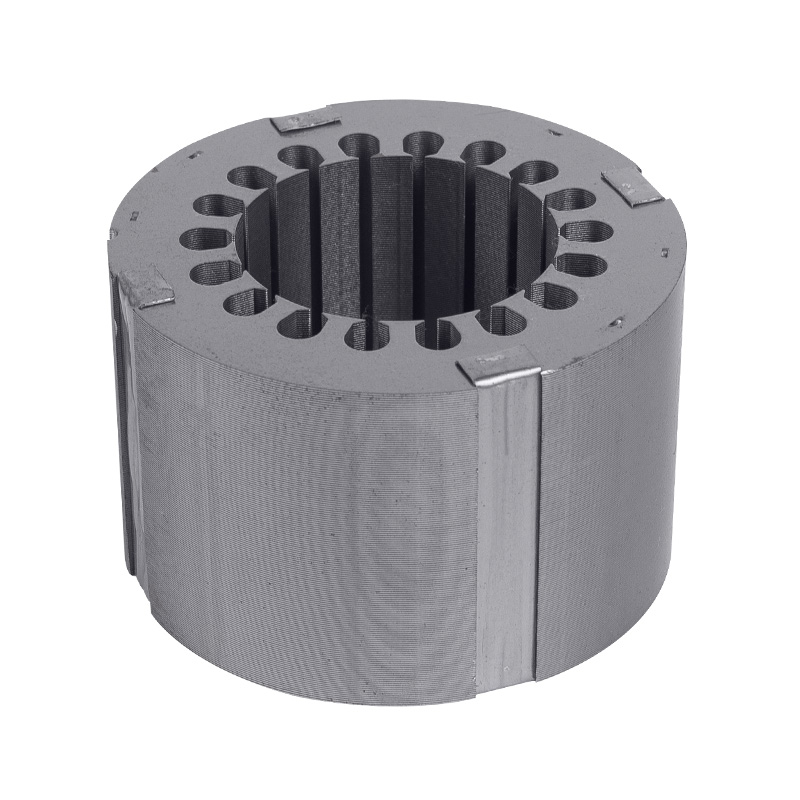
A common motor structure, the stator is fixed by the iron core structu...
See Details
+86-0563-2251312

+86-0563-2251311

+86-139 6620 0379


No.43 Guohua Road, Guangde Economic Development Zone, Xuancheng City, Anhui Province, China
