
 search
 EN
EN  русский
 عربى
عربى 简体中文
简体中文News
Home / News / Industry News / Which Industries Rely on Cutting Sewage Pumps and Why Are They Essential?
Cutting sewage pumps are specialized mechanical devices designed to handle sewage, wastewater, and sludge that contain fibrous, solid, or stringy materials. Unlike standard sewage pumps, cutting sewage pumps are equipped with integrated cutting mechanisms that chop solids into smaller, manageable pieces, preventing clogging and ensuring smooth operation. These pumps play a vital role in both municipal and industrial wastewater systems, where efficiency and reliability are critical.
Cutting sewage pumps are widely adopted across multiple industries where wastewater management involves handling solids and fibrous materials. Their primary applications include:
Municipal wastewater treatment facilities rely heavily on cutting sewage pumps to manage sewage containing debris such as rags, hair, and other fibrous materials. These pumps prevent blockages in pipelines and treatment equipment, allowing for continuous operation. They are particularly essential in the primary and secondary stages of wastewater treatment.
In food processing plants, wastewater often contains vegetable peels, seeds, pulp, and other organic solids. Cutting sewage pumps efficiently shred these materials before they enter treatment systems, minimizing maintenance issues and ensuring compliance with environmental regulations.
The paper and pulp industry produces wastewater rich in fibers, paper scraps, and wood residues. Cutting sewage pumps are crucial in breaking down fibrous waste to prevent clogs and ensure smooth flow through the plant’s treatment infrastructure. Their use improves both efficiency and reliability in wastewater management.
Livestock farms generate wastewater containing manure, straw, and other fibrous waste. Cutting sewage pumps are used to chop these solids, making slurry easier to transport and process. This helps maintain clean and functional pipelines, reduces pump wear, and improves overall hygiene management.
Chemical and pharmaceutical plants often produce wastewater containing solid particles and fibrous residues. Cutting sewage pumps ensure the proper handling of these wastes, preventing clogs in complex pipeline systems and protecting downstream equipment. This is crucial for maintaining production continuity and meeting stringent regulatory standards.
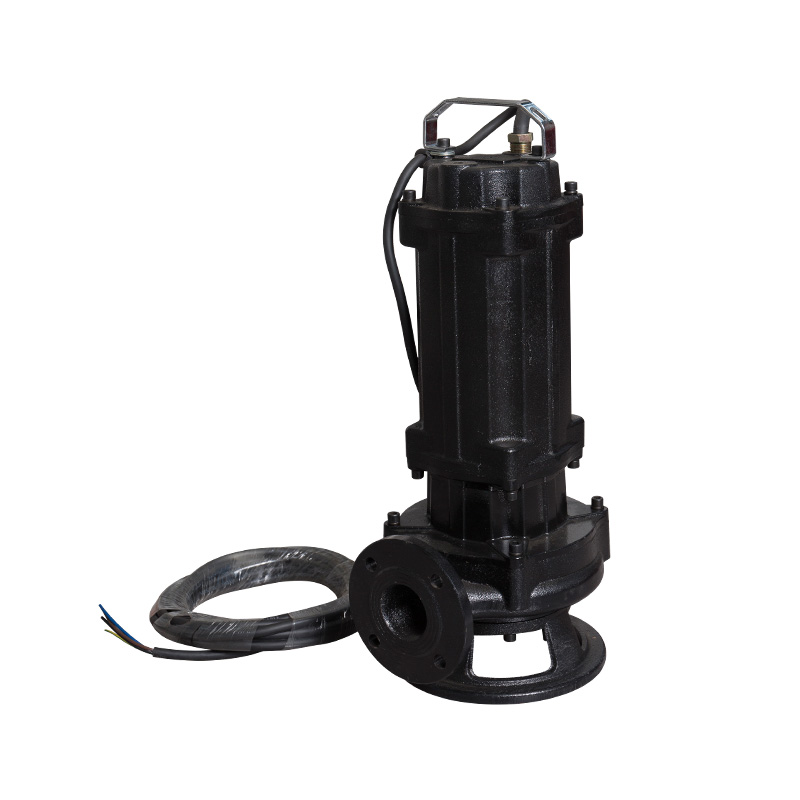
The advantages of cutting sewage pumps go beyond simple waste handling. Their benefits include:
Modern cutting sewage pumps are designed with several technical features to handle challenging materials effectively. These include:
A set of rotating blades or cutters within the pump slices through solids and fibers, reducing particle size before pumping. This mechanism is adjustable in many models, allowing optimization for specific waste types.
Components are made from stainless steel or other wear-resistant alloys, ensuring long service life even when handling abrasive or corrosive wastewater. This durability reduces maintenance costs and prevents frequent replacements.
Cutting sewage pumps are designed to handle large volumes of liquid containing solids, making them suitable for industrial and municipal applications where high throughput is essential.
These pumps can be installed in submerged or dry conditions, offering flexibility depending on the plant layout and specific wastewater handling requirements.
Proper maintenance ensures cutting sewage pumps operate efficiently and have a long service life. Key maintenance practices include:
Cutting sewage pumps are essential in industries and municipal facilities that deal with wastewater containing fibrous, solid, or stringy materials. By efficiently chopping solids and preventing blockages, these pumps enhance system reliability, reduce maintenance, and ensure smooth operation. Industries from municipal water treatment to food processing, agriculture, and pharmaceuticals benefit significantly from these specialized pumps. Choosing the right cutting sewage pump with appropriate features ensures optimal performance and long-term cost savings, making it a critical component in modern wastewater management.
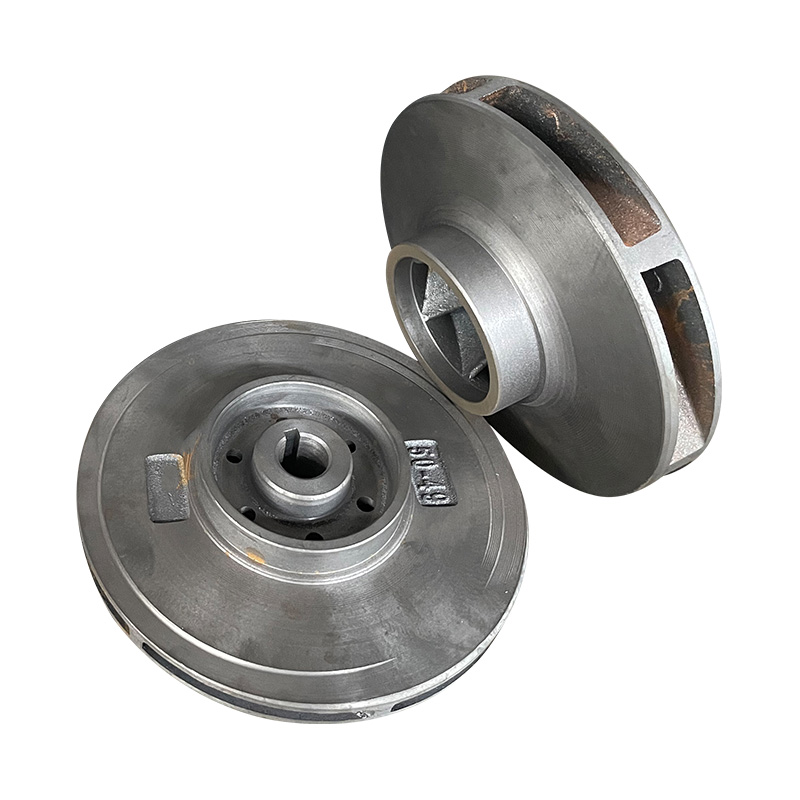
TD Energy Efficient Circulation Pump Cast Iron Impeller is an importan...
See Details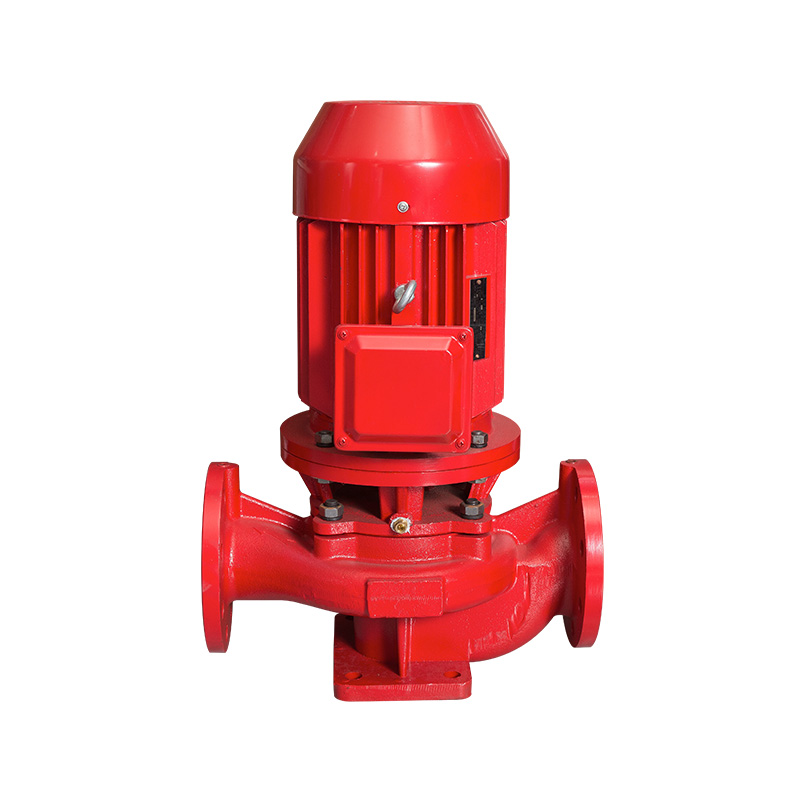
ISG series single-stage single-suction vertical centrifugal pump is a ...
See Details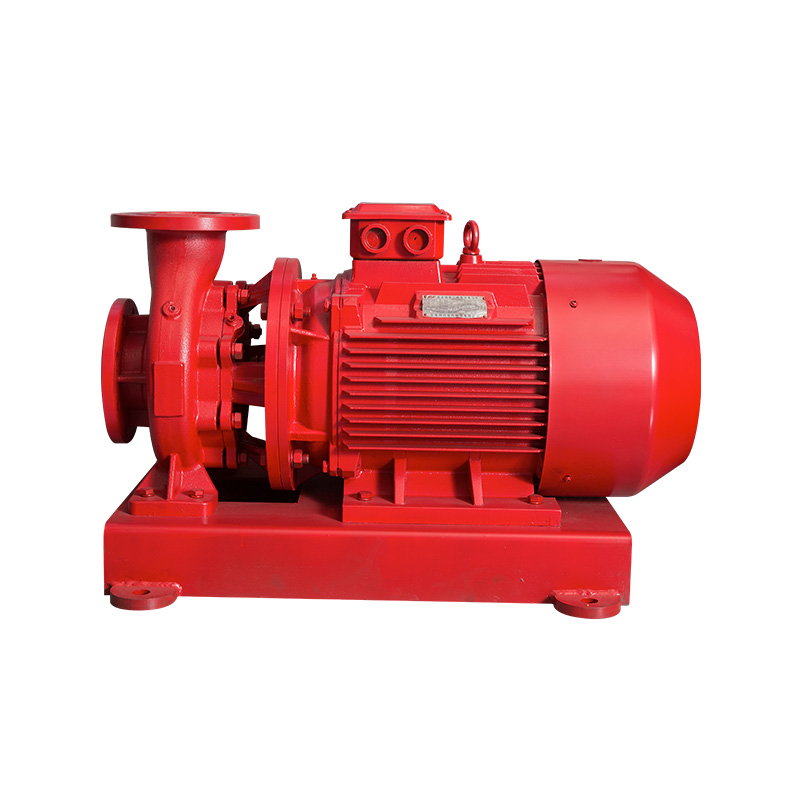
ISW series single-stage single-suction horizontal centrifugal pumps ar...
See Details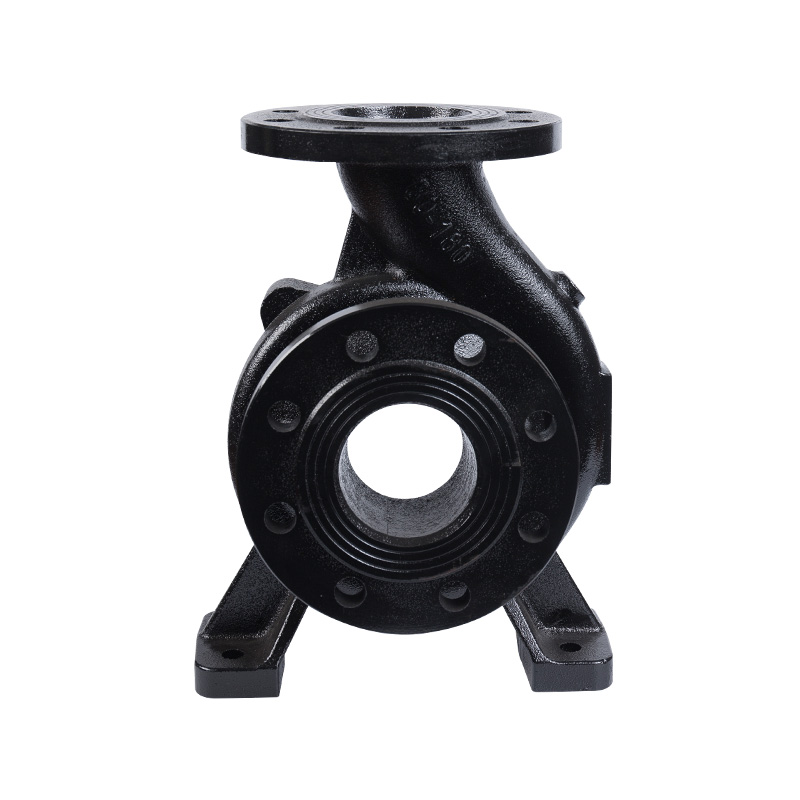
The pump body consists of two main parts: suction chamber and pressure...
See Details
The pipeline pump B14 pump cover is a specific type of pump cover for ...
See Details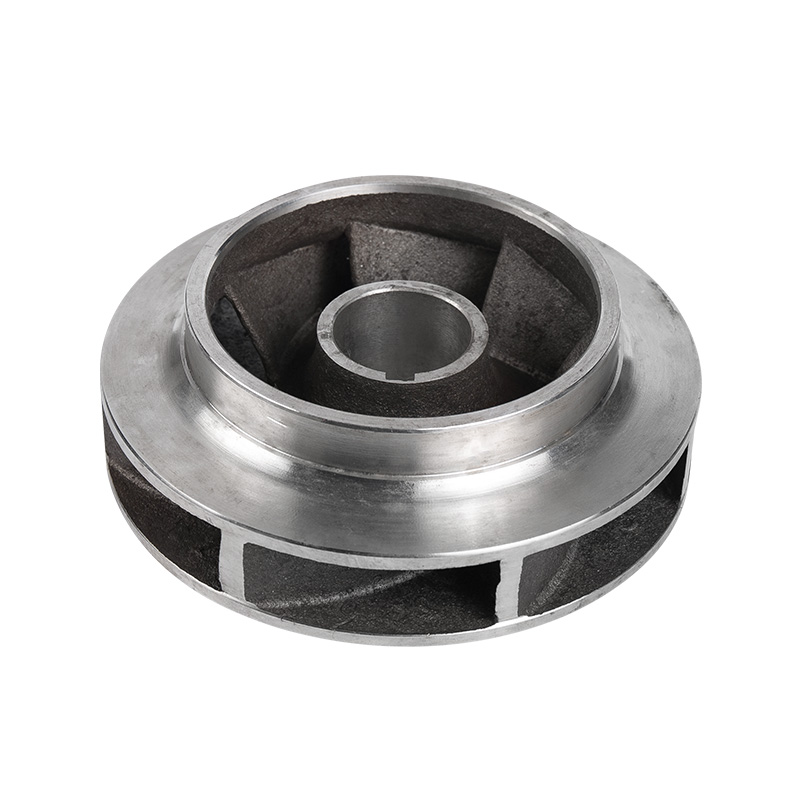
Stainless steel impeller material is stainless steel, it is not easy t...
See Details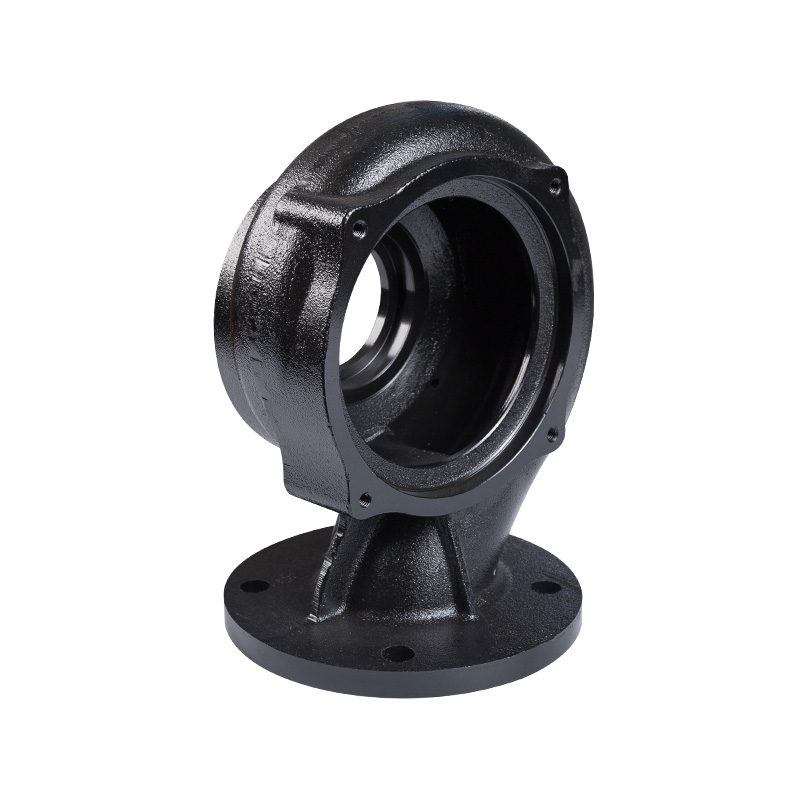
The pump body is the outer shell of the sewage pump, with the function...
See Details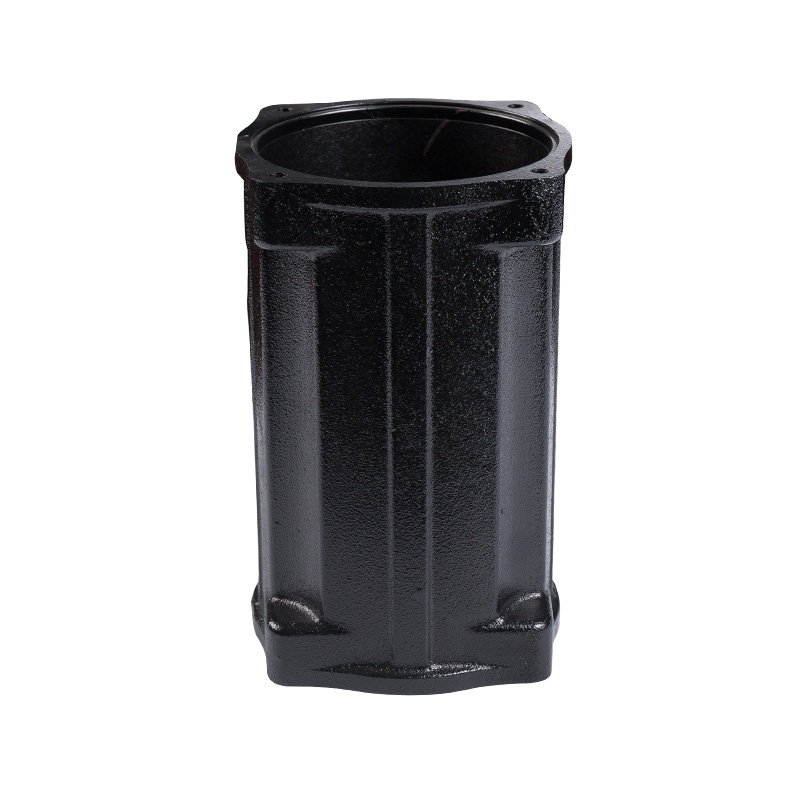
The casing of the sewage pump unit plays a role in protecting the inte...
See Details
The oil in the oil chamber, in addition to lubricating the mechanical ...
See Details
Product features 1. Compact structure, small volume, small footprint. ...
See Details
+86-0563-2251312

+86-0563-2251311

+86-139 6620 0379


No.43 Guohua Road, Guangde Economic Development Zone, Xuancheng City, Anhui Province, China
