
 search
 EN
EN  русский
 عربى
عربى 简体中文
简体中文News
Home / News / Industry News / What Is the Difference Between LG Multistage and Single-Stage Centrifugal Pumps?
Centrifugal pumps are essential in industries ranging from water supply and wastewater management to chemical processing and power generation. Among these, LG Multistage Centrifugal Pumps have gained prominence due to their high efficiency and capability to handle high-pressure applications. In contrast, single-stage centrifugal pumps are simpler in design and suitable for lower-pressure requirements. Understanding the differences between these two types of pumps is crucial for selecting the right solution for industrial systems.
LG Multistage pumps consist of multiple impellers mounted on a single shaft, which increases the pressure incrementally at each stage. Single-stage pumps, on the other hand, use only one impeller to move fluid, making them ideal for lower head applications. This fundamental design distinction affects performance, efficiency, maintenance, and application suitability.
The core difference between LG multistage centrifugal pumps and single-stage pumps lies in the number of impellers and the resulting head they can achieve. Multistage pumps use two or more impellers in series, each adding to the total head, allowing them to achieve high pressures even with moderate flow rates.
In multistage pumps, impellers can be arranged in either a back-to-back or in-line configuration. Each impeller contributes a portion of the total pressure, making these pumps ideal for applications requiring high head. Single-stage pumps, by contrast, have a single impeller that limits the maximum achievable pressure but provides simplicity in design and lower maintenance requirements.
LG multistage pumps feature a more complex casing that accommodates multiple impellers and manages pressure across stages. The casing design ensures balanced axial thrust and reduces the risk of cavitation. Single-stage pumps have a simpler casing design with a straightforward volute that houses a single impeller, making installation and maintenance easier.
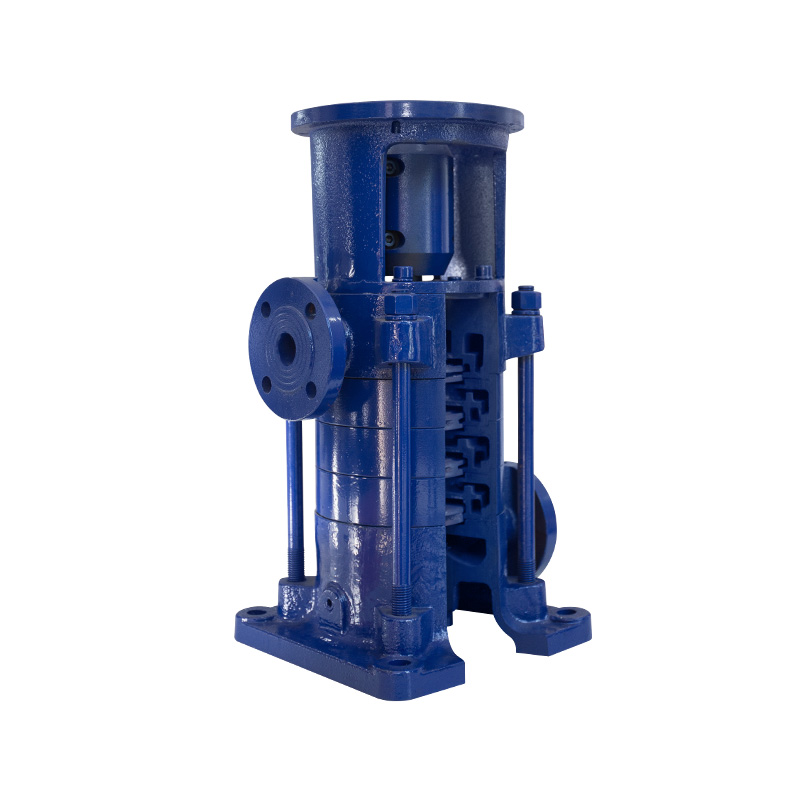
Performance characteristics such as head, flow rate, and efficiency differ significantly between LG multistage and single-stage centrifugal pumps. These differences dictate their suitability for specific industrial tasks.
Multistage pumps excel in applications requiring high head, as each stage adds to the total pressure. They can handle pressures ranging from 50 psi to over 1000 psi depending on the number of stages and impeller design. Single-stage pumps are limited in head generation, usually suitable for low to medium pressure applications.
While multistage pumps provide high head at moderate flow rates, single-stage pumps are better suited for high-flow, low-head applications. Industries requiring large water volumes, such as irrigation systems, cooling towers, and water treatment plants, often favor single-stage designs due to their ability to handle substantial flow efficiently.
LG multistage centrifugal pumps generally offer higher efficiency for high-head applications because the energy is distributed across multiple impellers. This can lead to energy savings in long-term operation. Single-stage pumps, while less efficient at high heads, consume less energy in low-head systems due to simpler mechanics and fewer moving parts.
The choice between LG multistage and single-stage centrifugal pumps is strongly influenced by the industrial application and the required operating conditions.
Multistage pumps are ideal for municipal water supply systems and high-rise building water distribution, where high pressure is necessary to maintain consistent flow across multiple levels. Single-stage pumps are commonly used in residential water supply, irrigation systems, and low-rise commercial buildings where head requirements are moderate.
In industrial facilities, LG multistage pumps are widely used as boiler feed pumps, supplying water at high pressures to generate steam efficiently. They are also used in chemical processing, desalination plants, and oil and gas operations where high pressure is required. Single-stage pumps are used for cooling water circulation, low-pressure chemical transfer, and general plant water supply.
High-pressure multistage pumps are preferred in firefighting systems for high-rise buildings and large industrial complexes to ensure adequate water reach. Single-stage pumps are suitable for smaller facilities with limited pressure demands.
The maintenance requirements and durability of LG multistage pumps differ from single-stage designs due to their complexity and operational conditions.
Multistage pumps require careful monitoring of each stage, including impeller wear, bearing lubrication, and alignment. Regular inspection is necessary to maintain optimal performance. Single-stage pumps are simpler, with fewer components, making maintenance easier and reducing downtime.
Both pump types are designed for durability, but multistage pumps are engineered to handle high-pressure conditions, which demands robust construction and precise engineering. Single-stage pumps are durable in low-pressure environments but may experience higher wear if used beyond recommended head limits.
| Feature | LG Multistage Pump | Single-Stage Pump |
| Impellers | Multiple, in series | Single |
| Maximum Head | High (1000+ psi possible) | Moderate |
| Flow Rate | Moderate | High |
| Maintenance | Complex, frequent inspection | Simple, less frequent |
| Applications | High-rise water supply, boiler feed, industrial processes | Irrigation, low-rise water systems, cooling water |
Choosing between LG multistage and single-stage centrifugal pumps depends on the required head, flow rate, and application environment. Multistage pumps offer high-pressure capability and energy efficiency for demanding industrial applications, while single-stage pumps are simpler, cost-effective solutions for moderate head and high-flow scenarios. Understanding these differences ensures optimal pump performance, reduced energy consumption, and long-term reliability in industrial systems.
Proper selection, installation, and maintenance are critical to maximizing the efficiency and service life of both pump types. LG multistage pumps remain a preferred choice for high-pressure operations, while single-stage pumps continue to serve as versatile solutions for less demanding applications.
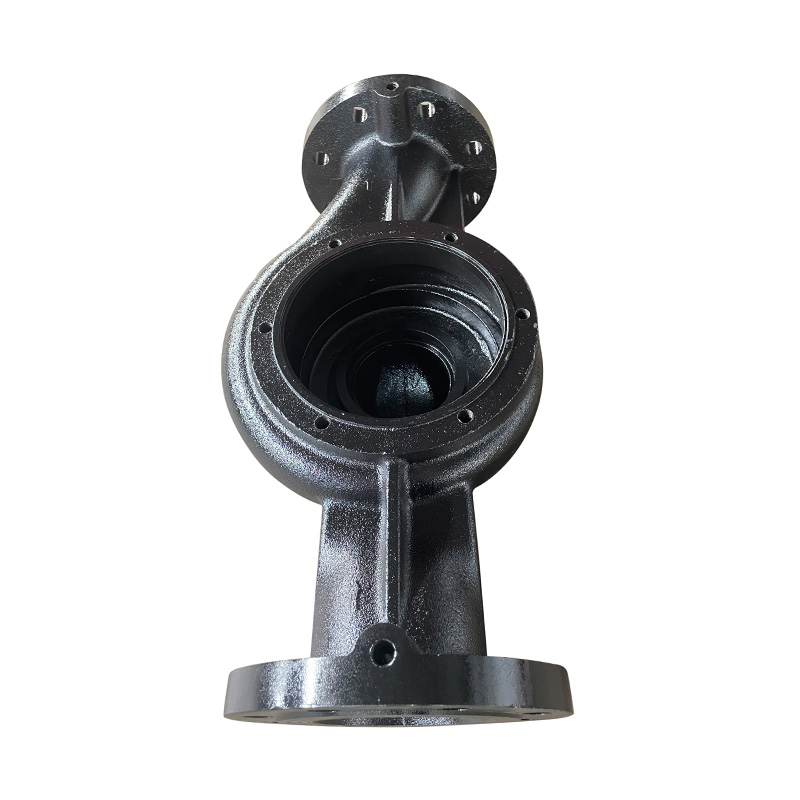
Vertical TD Energy Efficient Circulating Pump Pump Body is the shell o...
See Details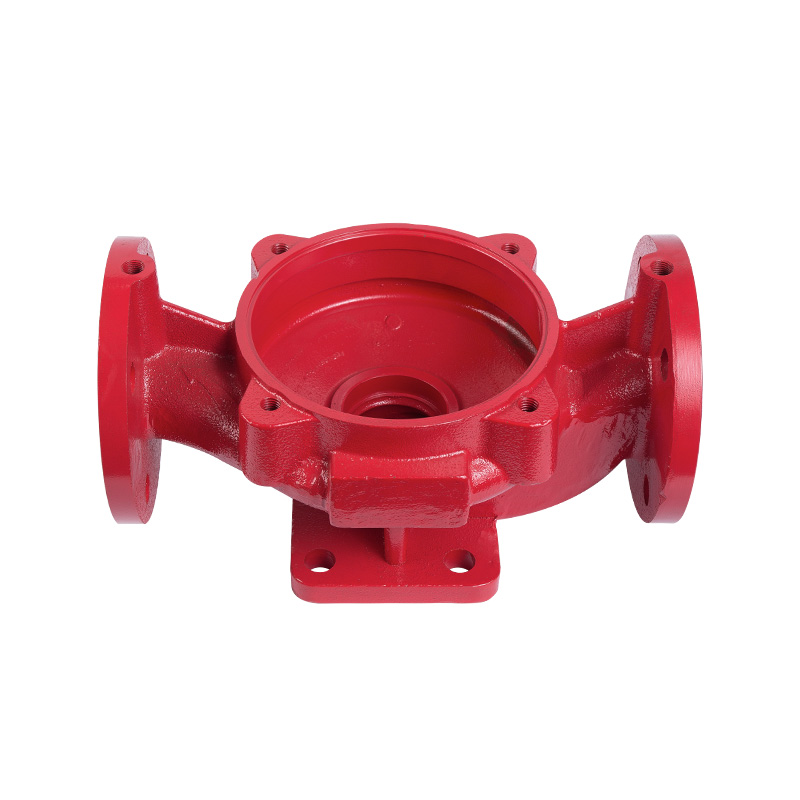
The pump body consists of two main parts: suction chamber and pressure...
See Details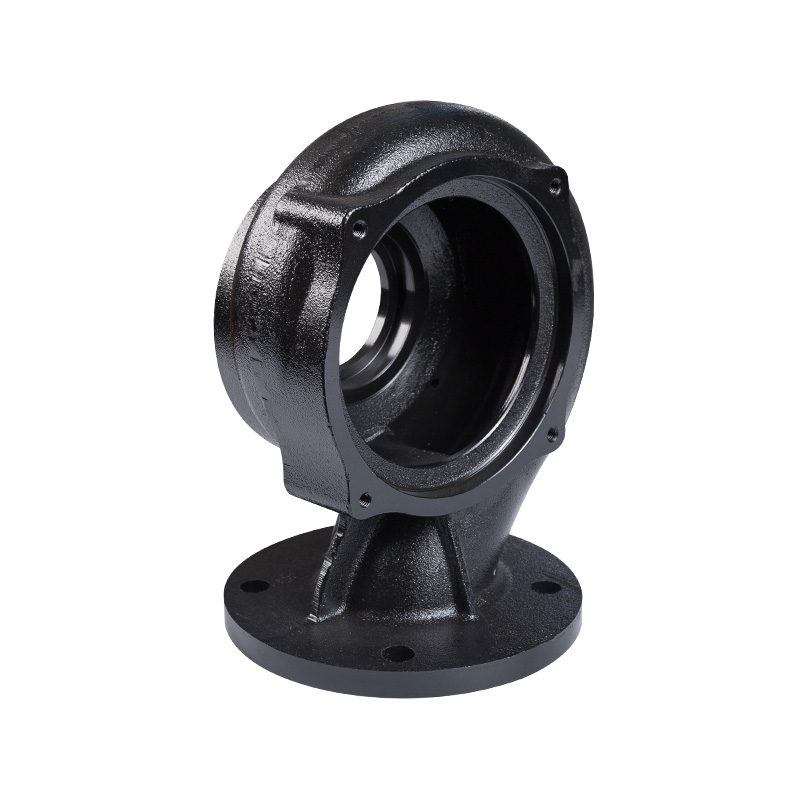
The pump body is the outer shell of the sewage pump, with the function...
See Details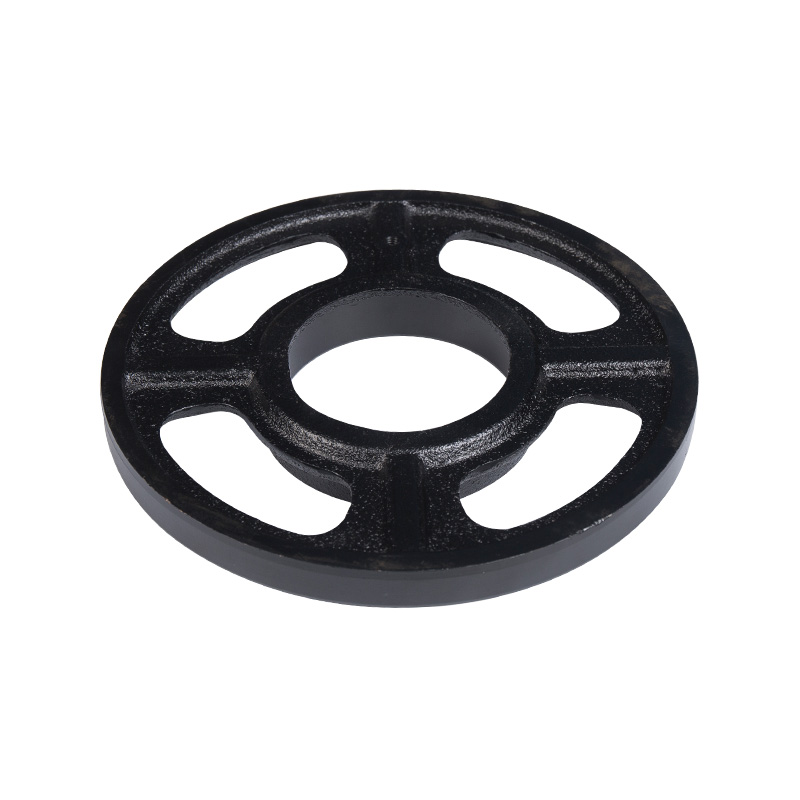
Installed inside the sewage pump unit, they support the rotor part of ...
See Details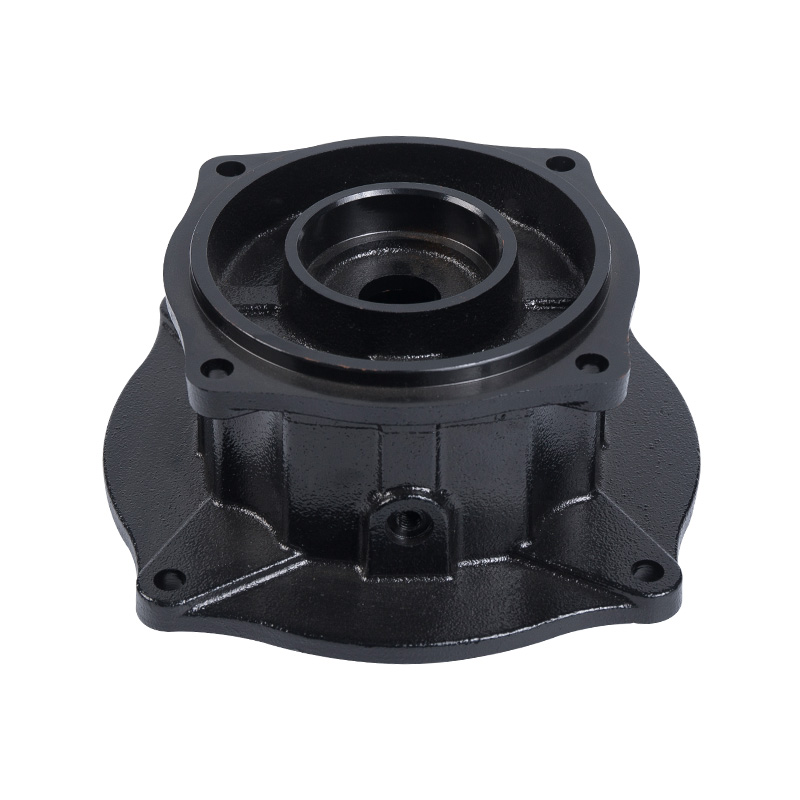
The oil in the oil chamber, in addition to lubricating the mechanical ...
See Details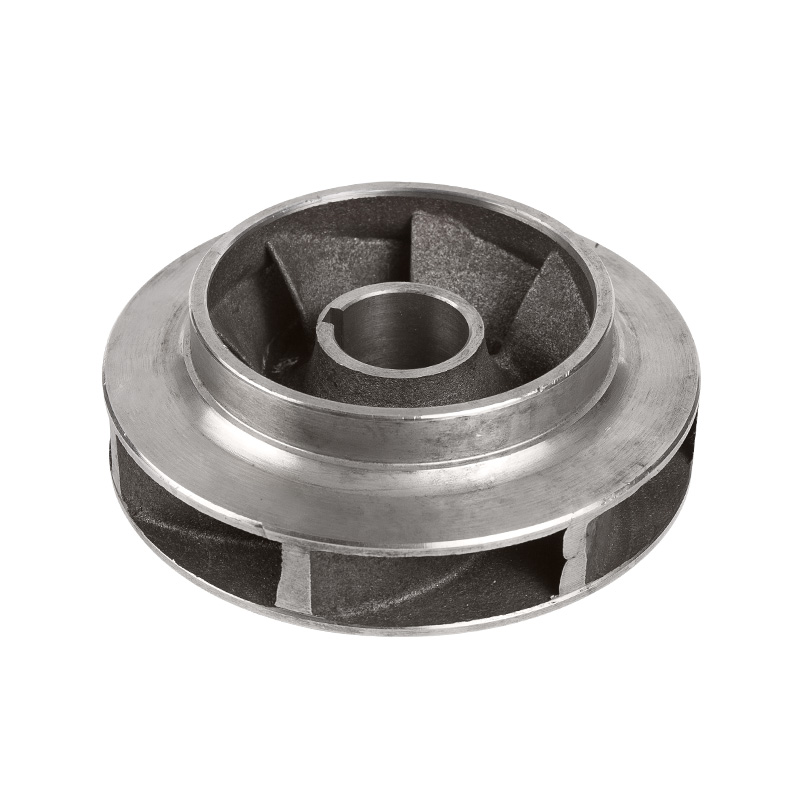
Stainless steel impellers are impellers made of stainless steel materi...
See Details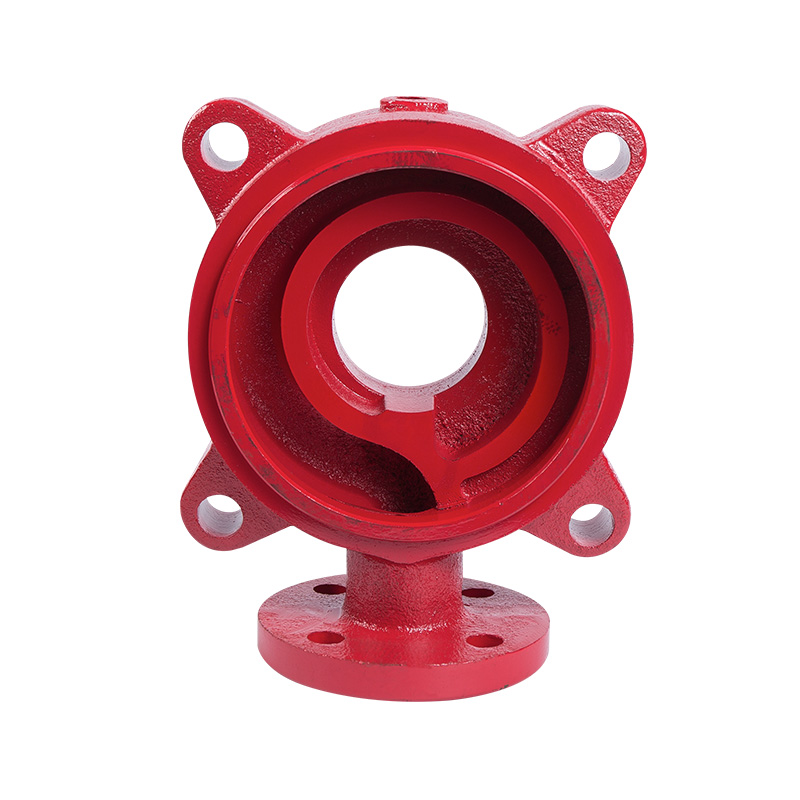
The outlet section is the outlet part of the pump, which is responsibl...
See Details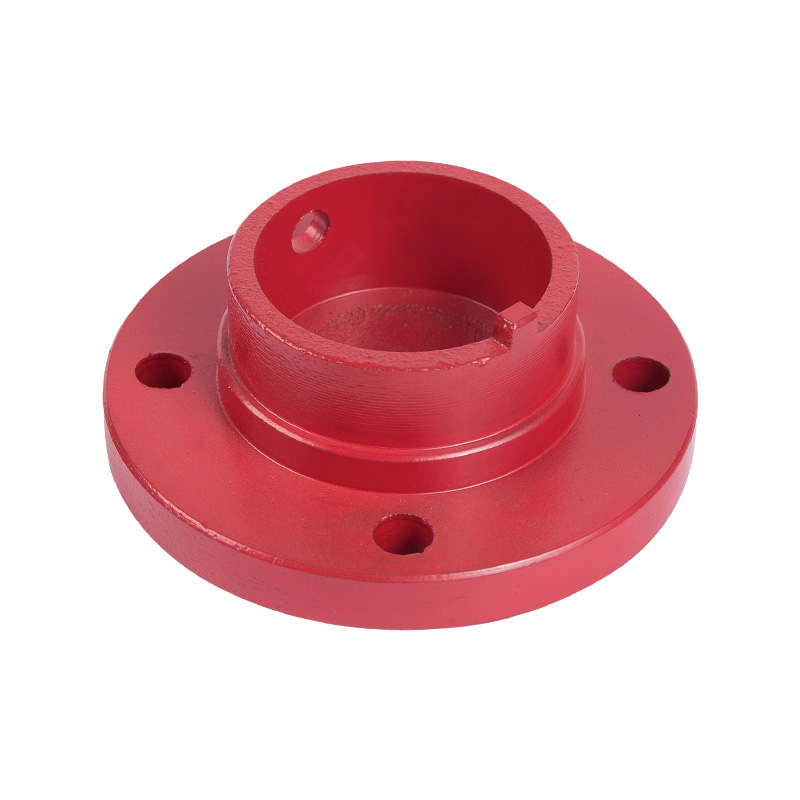
Water bearing gland is the gland for fixing the water bearing, which s...
See Details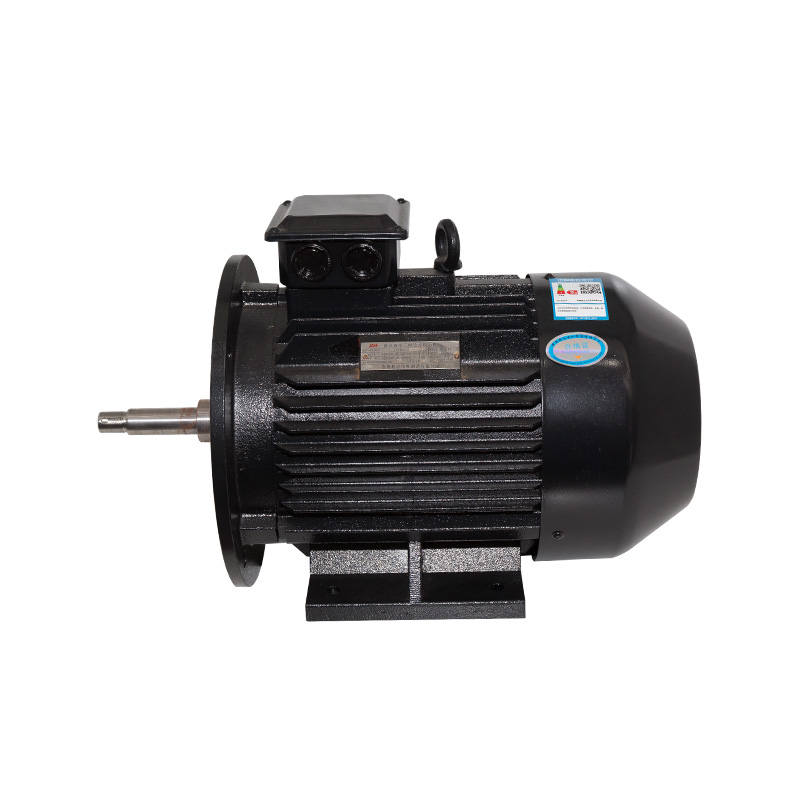
Also known as base mounting, the motor is connected to the mounting da...
See Details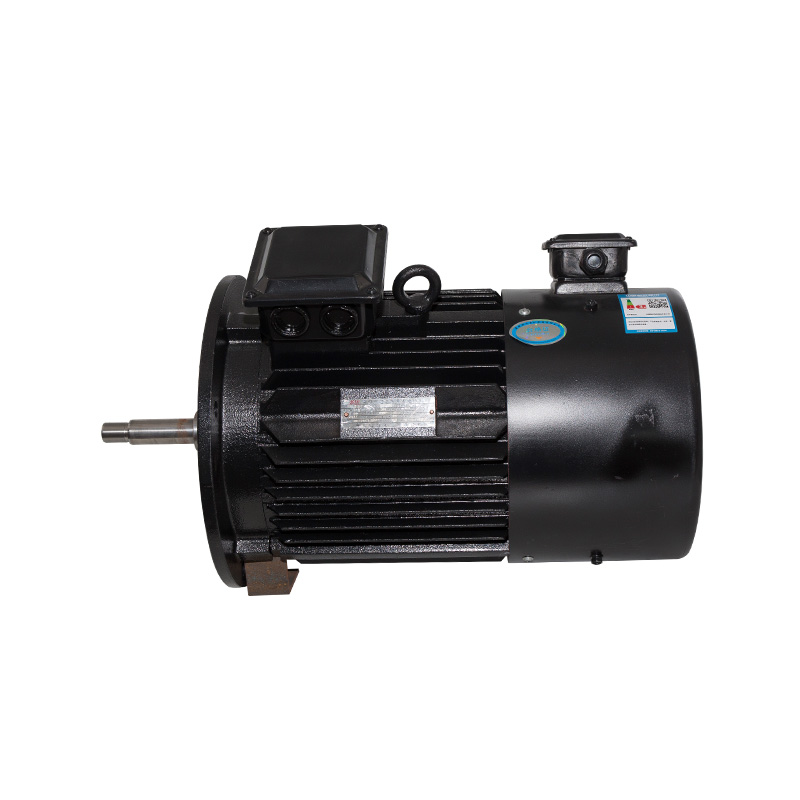
A type of adjustable speed motor that can control the speed of the mot...
See Details
+86-0563-2251312

+86-0563-2251311

+86-139 6620 0379


No.43 Guohua Road, Guangde Economic Development Zone, Xuancheng City, Anhui Province, China
