
 search
 EN
EN  русский
 عربى
عربى 简体中文
简体中文News
Home / News / Industry News / What are the advantages of a cutting sewage pump compared to a traditional sewage pump?
A cutting sewage pump is a specialized type of sewage pump designed with an integrated cutting or grinding mechanism that breaks down solid waste before pumping it through discharge pipes. Traditional sewage pumps, on the other hand, rely primarily on open impellers or vortex designs to move wastewater containing solids without actively cutting them. While both serve the purpose of sewage transportation, their performance characteristics and application suitability differ significantly.
As modern buildings, industrial facilities, and municipal systems demand higher reliability and flexibility, cutting sewage pumps are increasingly favored in scenarios where clogging risks, long discharge distances, or small-diameter pipelines are involved. Understanding the advantages of cutting sewage pumps compared to traditional sewage pumps helps engineers, contractors, and end users select the most appropriate solution.
One of the most important advantages of a cutting sewage pump is its strong ability to prevent clogging. The built-in cutting mechanism shreds solids such as textiles, wipes, food waste, and organic debris into smaller particles before they enter the impeller and discharge line. This significantly reduces the risk of blockages during operation.
Traditional sewage pumps depend on passing solids through relatively large clearances. When fibrous or bulky materials enter the system, they can wrap around the impeller or lodge inside the pump housing, causing frequent clogs. Cutting sewage pumps minimize this issue, ensuring smoother and more reliable wastewater transport.
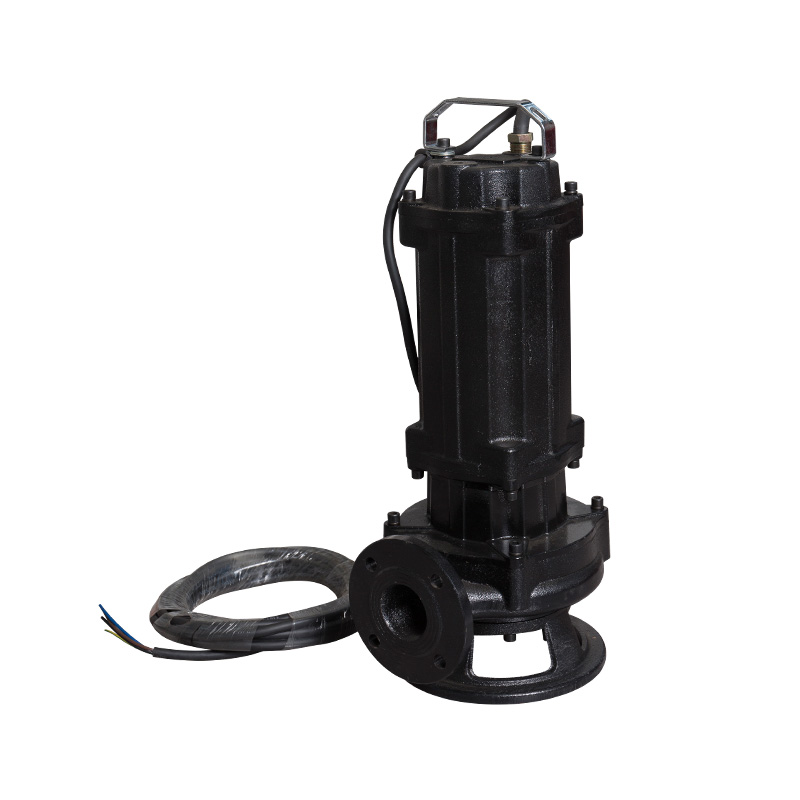
Another key advantage of cutting sewage pumps is their compatibility with small-diameter discharge pipes. Because solids are cut into fine particles, the pumped sewage can flow smoothly through narrow pipelines without causing obstructions. This allows for greater flexibility in system design and installation.
Traditional sewage pumps typically require larger pipe diameters to safely pass solid waste. This increases installation complexity and cost, especially in retrofit projects or buildings with limited space. Cutting sewage pumps offer a more compact and adaptable solution, particularly in residential basements, commercial buildings, and remote installations.
Cutting sewage pumps are well suited for long-distance pumping and high-head applications. The finely processed wastewater encounters less resistance as it travels through pipes, allowing the pump to maintain stable pressure and flow over extended distances.
Traditional sewage pumps may struggle in similar conditions due to the presence of large solids, which increase friction and pressure loss. In systems where sewage must be transported uphill or across long horizontal runs, cutting sewage pumps provide a more reliable and efficient solution.
Maintenance requirements are a major consideration in sewage pump selection. Cutting sewage pumps significantly reduce the frequency of maintenance interventions by minimizing blockages and impeller fouling. Fewer clogs mean less downtime, fewer emergency repairs, and lower overall maintenance costs.
Traditional sewage pumps often require regular inspection and cleaning, especially in environments where non-degradable materials enter the wastewater stream. Over time, repeated clogging can lead to increased wear and premature failure. Cutting sewage pumps help avoid these issues by actively managing solid waste at the pump inlet.
Operational reliability is critical in sewage handling systems, where pump failure can lead to serious hygiene and environmental problems. Cutting sewage pumps offer higher reliability in challenging conditions, such as fluctuating wastewater composition or unpredictable solid content.
By consistently reducing solids to manageable sizes, cutting sewage pumps maintain stable operation even when wastewater quality varies. Traditional sewage pumps are more sensitive to changes in solid size and composition, which can compromise performance.
The ability to use smaller pipes and compact pump designs gives cutting sewage pumps a clear advantage in space-constrained installations. This is especially beneficial in urban buildings, renovation projects, and underground facilities where routing large pipes is impractical.
Traditional sewage pump systems often require larger pits, wider pipelines, and more complex civil works. Cutting sewage pumps simplify system layout and reduce installation time, making them attractive for both new construction and retrofit applications.
Although cutting sewage pumps use additional energy to operate the cutting mechanism, they often achieve more stable flow conditions. Reduced clogging and smoother wastewater transport help maintain consistent efficiency over time.
Traditional sewage pumps may experience fluctuating efficiency due to partial blockages or impeller fouling. These inefficiencies can increase energy consumption and accelerate mechanical wear. Cutting sewage pumps help maintain predictable performance throughout their service life.
| Feature | Cutting Sewage Pump | Traditional Sewage Pump |
| Clog Resistance | Very High | Moderate |
| Pipe Diameter Requirement | Small | Large |
| Maintenance Frequency | Low | High |
| Installation Flexibility | High | Limited |
| Performance with Fibrous Waste | Excellent | Poor to Moderate |
Cutting sewage pumps are particularly well suited for residential buildings, hotels, hospitals, commercial facilities, and small municipal pumping stations. These environments often generate wastewater with high levels of fibrous and solid materials that can challenge traditional pump designs.
They are also commonly used in pressure sewer systems, where long-distance transport through narrow pipes is required. In such applications, the advantages of cutting sewage pumps become especially evident.
Cutting sewage pumps may have a higher initial cost compared to traditional sewage pumps due to their more complex mechanical design. However, this initial investment is often offset by reduced installation costs, lower maintenance expenses, and fewer operational disruptions.
When evaluated over the full lifecycle of the system, cutting sewage pumps frequently deliver better long-term value, particularly in demanding or clog-prone environments.
The advantages of a cutting sewage pump over a traditional sewage pump are evident in terms of clog prevention, installation flexibility, reliability, and maintenance efficiency. By actively processing solid waste, cutting sewage pumps address many of the common challenges associated with sewage handling systems.
For applications where solid content is unpredictable, space is limited, or long-distance pumping is required, cutting sewage pumps provide a practical and robust solution. Understanding these advantages enables better system design and more dependable wastewater management.

The pump shaft is the component that connects the motor to the impelle...
See Details
The pipeline pump B14 pump cover is a specific type of pump cover for ...
See Details
Stainless steel impeller material is stainless steel, it is not easy t...
See Details
The oil in the oil chamber, in addition to lubricating the mechanical ...
See Details
Components mounted on the bottom of the sewage pump unit to support th...
See Details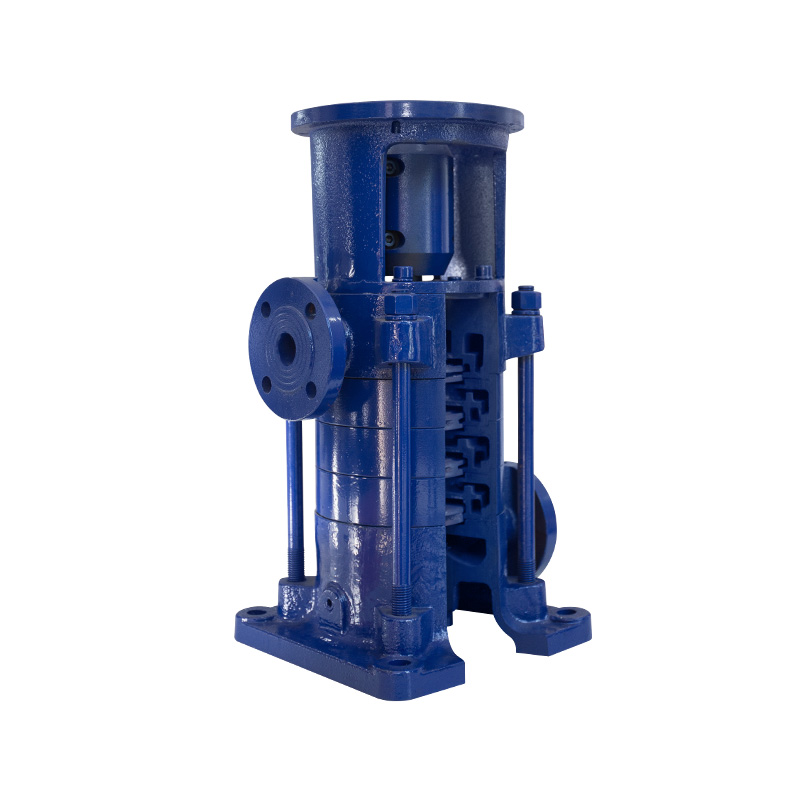
Product features 1. Compact structure, small volume, small footprint. ...
See Details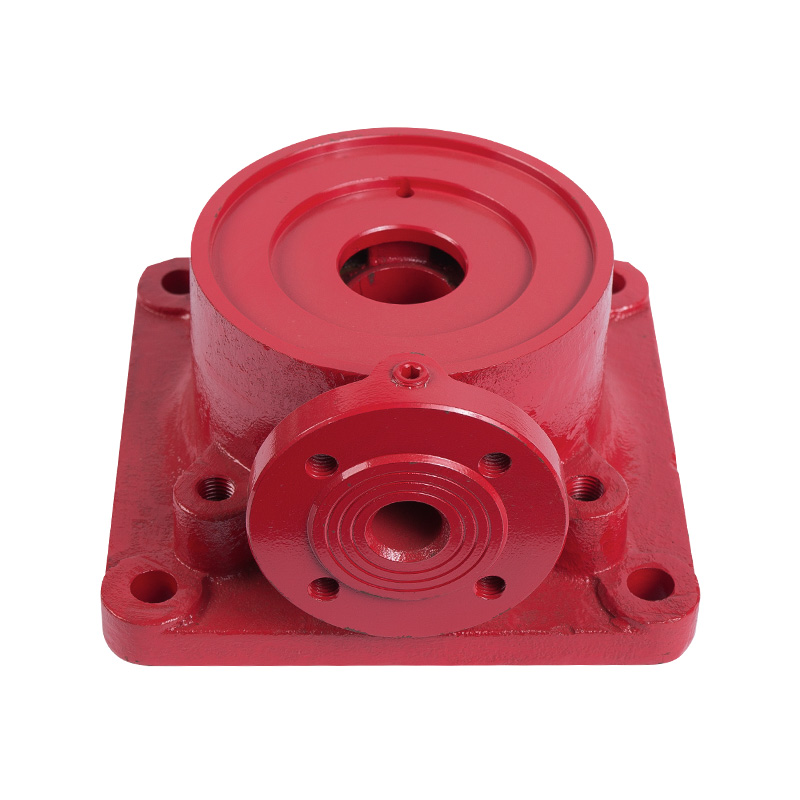
The inlet section is the inlet portion of the pump and is responsible ...
See Details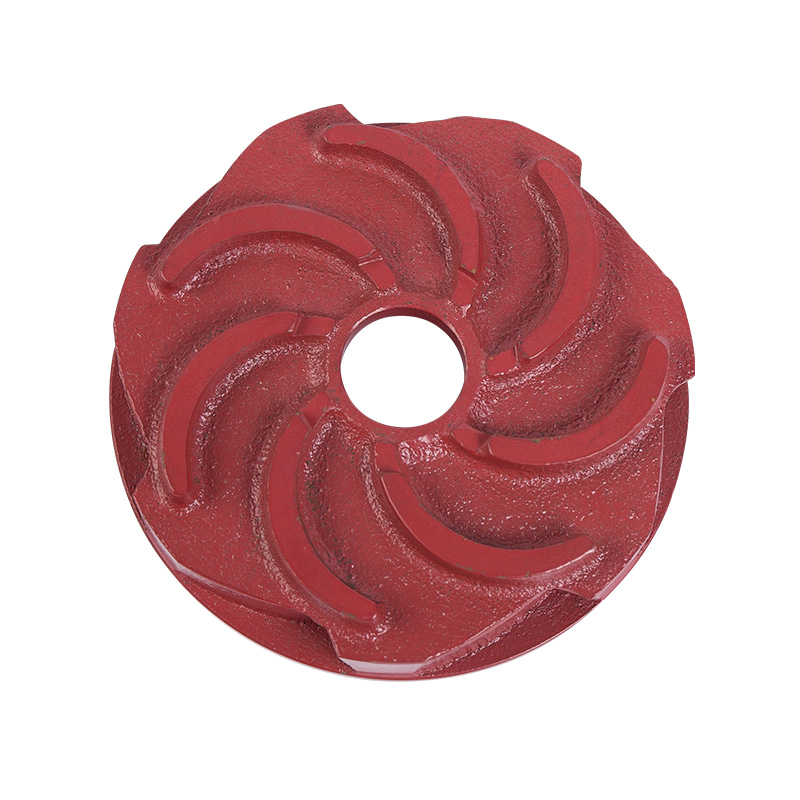
A guide vane is a guiding device located at the impeller inlet that gu...
See Details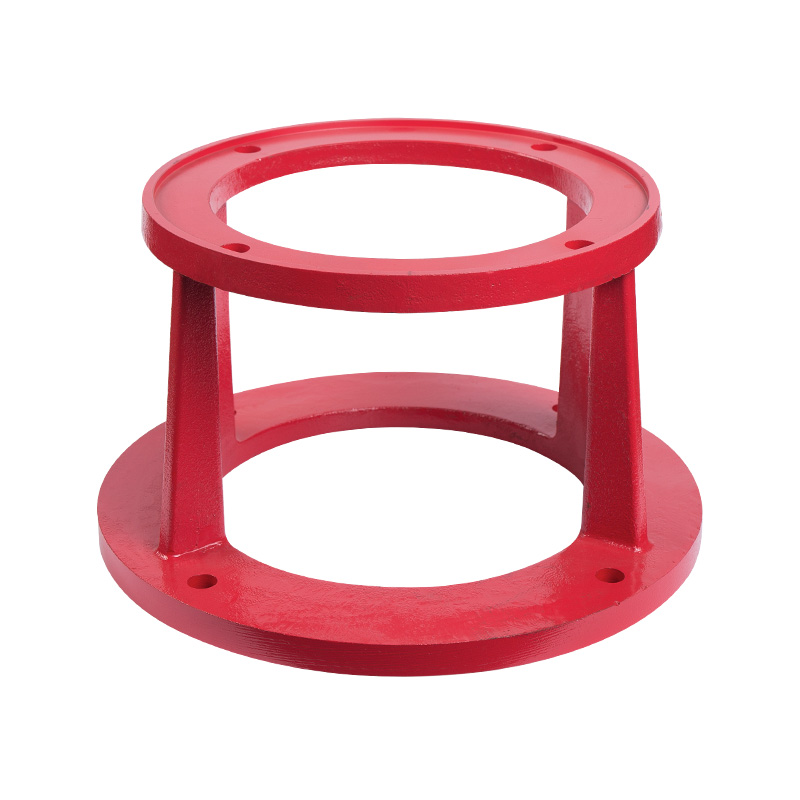
Motor bracket is a support part used to fix the motor and connect the ...
See Details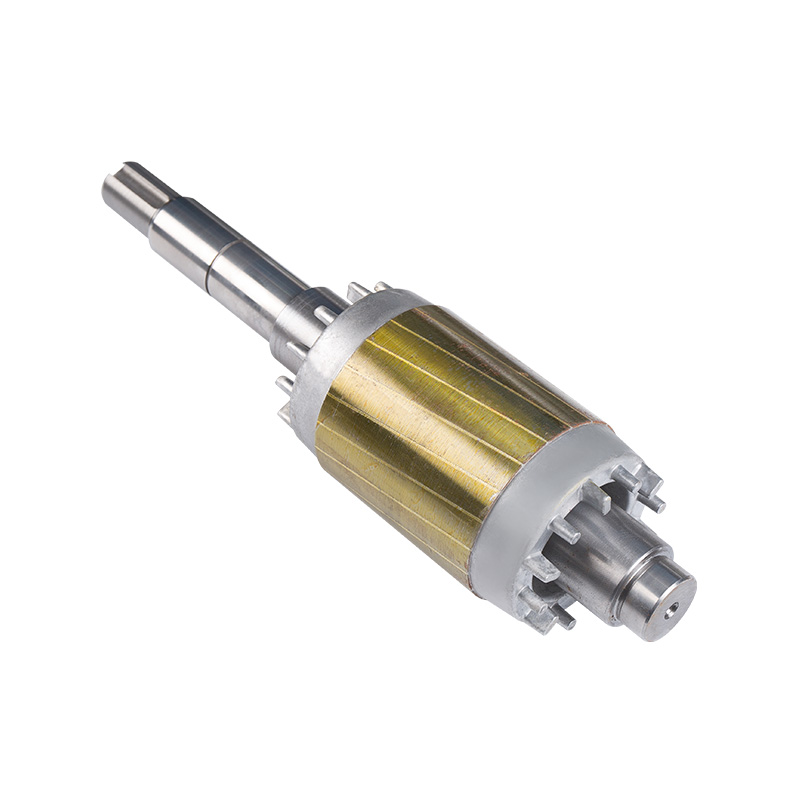
The rotor of a motor refers to the rotating part, which contains the r...
See Details
+86-0563-2251312

+86-0563-2251311

+86-139 6620 0379


No.43 Guohua Road, Guangde Economic Development Zone, Xuancheng City, Anhui Province, China
