
 search
 EN
EN  русский
 عربى
عربى 简体中文
简体中文News
What Are Pipeline Pumps and Why Are They Critical Infrastructure?
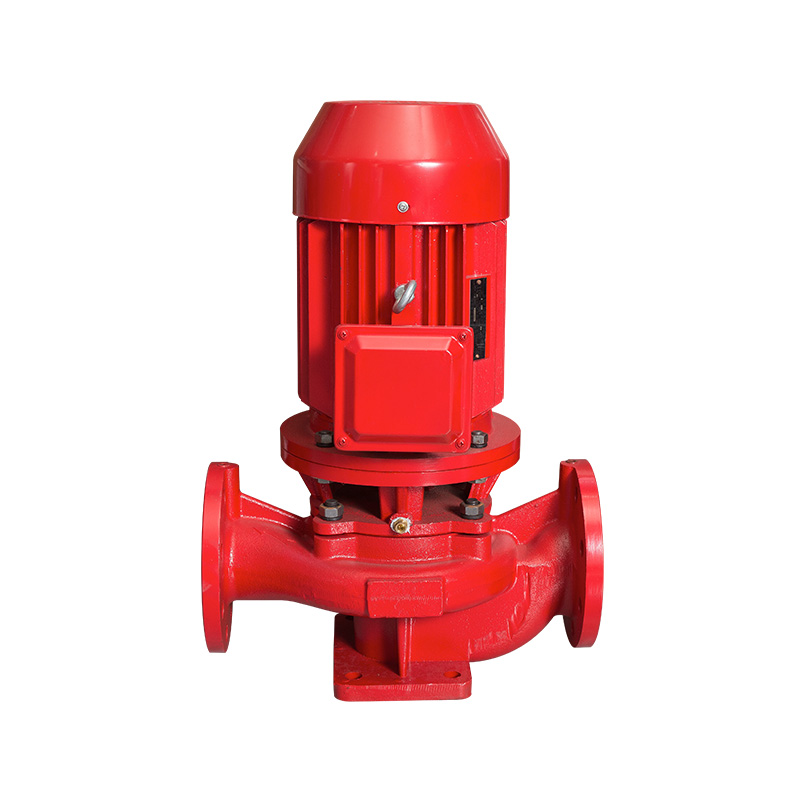
Pipeline pumps form the backbone of fluid transport infrastructure across the globe, moving crude oil, refined petroleum products, natural gas liquids, water, and various industrial fluids across distances ranging from a few miles to thousands of kilometers. These robust machines overcome frictional resistance and elevation changes to maintain flow rates that can reach thousands of gallons per minute in major transmission pipelines. Unlike pumps designed for localized circulation or building systems, pipeline pumps must deliver consistent performance across extreme variations in ambient conditions, handle fluids with diverse physical properties, and operate reliably for extended periods with minimal intervention due to their often remote locations.
The economic significance of pipeline pumps cannot be overstated. A single unplanned shutdown of a major petroleum pipeline pump station can halt the flow of millions of dollars worth of product daily while creating supply disruptions that ripple through entire regions. Water transmission systems depend on pipeline pumps to deliver potable water from treatment plants to distribution networks, making them essential for public health and safety. Industrial facilities rely on pipeline pumps to transport raw materials, intermediate products, and finished goods between process units, with pump failures potentially idling entire production lines.
Understanding pipeline pump technology encompasses knowledge of hydraulic principles, mechanical engineering, materials science, and control systems. The selection, installation, operation, and maintenance of these critical assets require specialized expertise that balances performance requirements against reliability, efficiency, and lifecycle costs. Modern pipeline pump installations incorporate sophisticated monitoring systems, redundancy provisions, and remote control capabilities that enable centralized operation of pump stations distributed across vast geographic areas. This technological evolution has improved safety, reduced operating costs, and enhanced the reliability of pipeline infrastructure that modern economies depend upon.
Centrifugal Pipeline Pump Construction and Operating Principles
Centrifugal pumps dominate pipeline applications due to their ability to generate high heads, accommodate wide flow ranges, and operate efficiently at the constant speeds provided by fixed-speed motors or turbine drivers. The fundamental operating principle involves an impeller rotating within a casing, imparting kinetic energy to the fluid through centrifugal force. As fluid enters the impeller eye near the shaft centerline, the rotating vanes accelerate it radially outward. The kinetic energy converts to pressure energy as the high-velocity fluid exits the impeller and enters the volute or diffuser casing, where the expanding cross-sectional area reduces velocity and increases static pressure.
Pipeline pump casings employ several configurations optimized for different applications. Volute casings feature a spiral-shaped chamber surrounding the impeller with gradually increasing cross-sectional area toward the discharge outlet. This simple, economical design suits moderate head applications and provides good efficiency across a reasonable flow range. Diffuser casings incorporate stationary vanes surrounding the impeller that gradually decelerate fluid while converting velocity to pressure more efficiently than simple volutes. Multi-stage pumps stack multiple impellers in series, with the discharge from each stage feeding the inlet of the next, multiplying the head developed by each individual stage to achieve total heads reaching thousands of feet.
Barrel-type multi-stage pumps represent the pinnacle of pipeline pump design for high-pressure applications. These pumps feature a cylindrical pressure-containing barrel with internal bundles housing multiple stages that can be withdrawn for maintenance without disturbing external piping connections. The barrel design accommodates extremely high pressures—often 3000 PSI or more—required for long-distance crude oil pipelines or high-elevation water transmission systems. Between-bearing or overhung impeller mounting configurations affect shaft deflection, bearing loading, and maintenance accessibility, with selection based on specific application requirements.
Positive Displacement Pump Applications in Pipeline Systems
While centrifugal pumps handle the majority of pipeline applications, positive displacement pumps serve specialized niches where their unique characteristics provide advantages. These pumps move fixed volumes of fluid with each rotation or stroke regardless of discharge pressure, making them ideal for high-viscosity fluids, precise metering applications, or situations requiring self-priming capability. Reciprocating pumps including piston, plunger, and diaphragm types can generate extremely high pressures suitable for dense-phase slurry transport or injection applications, though their pulsating flow requires dampening and their mechanical complexity increases maintenance requirements.
Rotary positive displacement pumps offer smoother flow with less pulsation than reciprocating types. Screw pumps employ one or more helical rotors that trap fluid and propel it axially through the pump housing, handling viscous fluids and moderate pressures efficiently. Gear pumps use meshing gears to move fluid between teeth and casing, providing compact construction for lower flow rates. Progressive cavity pumps feature a helical rotor rotating within an elastomeric stator, creating sealed cavities that progress axially and can handle abrasive slurries or fluids containing solids that would damage centrifugal impellers.
| Pump Type | Viscosity Range | Pressure Capability | Primary Pipeline Use |
| Centrifugal | Low to moderate | High | Crude oil, refined products, water |
| Screw | High | Moderate | Heavy crude, bitumen |
| Reciprocating | Wide range | Very high | Injection, metering, slurries |
| Progressive Cavity | Very high | Moderate | Viscous products, slurries |
Driver Selection and Power Transmission Methods
Pipeline pumps require substantial power input to move large fluid volumes against significant pressure, with individual pump units commonly ranging from hundreds to thousands of horsepower. Electric motors represent the most common driver choice where reliable electrical infrastructure exists, offering excellent efficiency, low maintenance requirements, and straightforward control systems. Three-phase induction motors in premium efficiency designs minimize electrical consumption, with power factor correction and soft-start systems reducing electrical demand charges and limiting mechanical stress during startup transients.
Gas turbines serve as alternative drivers in locations without electrical grid access or where natural gas availability makes combustion drives economical. These turbines offer high power density and can utilize pipeline gas as fuel, eliminating external energy supply requirements. However, gas turbine maintenance complexity and fuel consumption typically result in higher operating costs compared to electric motors. Diesel engines provide backup capability or serve as primary drivers where both electricity and natural gas are unavailable, though emissions regulations and fuel costs limit their application in permanent installations.
The connection between driver and pump accommodates thermal expansion, shaft misalignment, and vibration isolation through flexible or rigid coupling designs selected based on application requirements. Flexible couplings permit modest misalignment while transmitting torque, with elastomeric elements, gear teeth, or disc packs providing flexibility. Spacer couplings enable pump seal or bearing maintenance without motor removal by incorporating a center spacer that can be withdrawn after disconnecting the coupling halves. Alignment procedures using precision measurement tools ensure shaft centerlines coincide within specified tolerances, preventing excessive bearing loads and coupling wear that compromise reliability.
Materials Engineering for Corrosion and Erosion Resistance
Pipeline pump materials must withstand the corrosive and erosive characteristics of transported fluids while maintaining mechanical properties across temperature ranges and pressure cycles encountered during operation. Material selection represents a critical engineering decision that balances performance requirements, initial costs, and expected service life. Carbon steel provides economical construction for non-corrosive fluids like fresh water or mild hydrocarbon products, with internal coatings extending service life in moderately aggressive conditions.
Stainless steel alloys serve applications involving corrosive fluids, with specific grades selected based on chloride content, pH levels, and temperature. Type 316 stainless steel handles many pipeline fluids adequately, while duplex or super-duplex grades provide enhanced resistance to pitting, crevice corrosion, and stress corrosion cracking in severe environments such as seawater or sour crude service. Nickel alloys including Inconel or Hastelloy address extremely corrosive conditions where stainless steels prove inadequate, though their premium cost limits use to critical wetted components rather than entire pump assemblies.
Erosion resistance becomes paramount when handling fluids containing abrasive particles such as sand production in crude oil pipelines or slurry transport systems. Hard-facing materials applied to impeller vanes and casing wear areas extend component life in erosive service. Tungsten carbide coatings, ceramic inserts, or through-hardened alloy steels provide wear resistance orders of magnitude better than standard materials. Strategic placement of sacrificial wear components in high-velocity areas allows periodic replacement of wear parts rather than complete pump rebuilds, reducing maintenance costs and extending major component service intervals.
Pump Station Design and Redundancy Strategies
Pipeline pump stations incorporate multiple pumps arranged to provide required capacity while ensuring system reliability through redundancy and operational flexibility. Station design must account for normal operating scenarios, maintenance requirements, emergency conditions, and future capacity expansion. The number and sizing of pumps involve trade-offs between capital costs, operational efficiency, and reliability objectives that vary according to pipeline criticality and economic considerations.
Common pump station configurations include multiple identical pumps operating in parallel, where any combination can operate to match flow demands. A typical arrangement might employ three pumps each sized for 50% capacity, allowing full flow with two pumps while the third remains on standby or undergoes maintenance. This configuration provides redundancy while enabling load sharing that extends component life through reduced operating hours per pump. Series pump arrangements stack pressure boosts from sequential pumps to achieve total heads exceeding single-pump capabilities, commonly seen in long-distance pipelines with multiple intermediate booster stations.
Station layout considerations include:
- Adequate spacing between pumps for maintenance access, crane coverage for component removal, and thermal isolation to prevent heat transfer between units
- Suction piping designed to provide uniform flow distribution to each pump with minimal turbulence, including straight pipe runs upstream of pump inlets and elimination of air pockets
- Discharge header configuration that permits individual pump isolation while maintaining system flow through operating units, with check valves preventing reverse rotation during shutdown
- Auxiliary systems including cooling water, seal flush, lubrication, and fire protection integrated into the overall facility design
- Control buildings housing electrical switchgear, automation systems, and operator interfaces positioned for visibility of equipment while providing environmental protection for sensitive electronics
Hydraulic Performance and System Curve Interaction
Understanding the relationship between pump performance curves and system hydraulic characteristics is fundamental to proper pump selection and operation. Every pump exhibits a characteristic performance curve relating flow rate to developed head, with additional curves showing efficiency, power consumption, and net positive suction head required across the operating range. The system curve represents the total head required at various flow rates, comprising static elevation differences plus dynamic losses from pipe friction, fittings, and equipment pressure drops. The intersection of pump and system curves defines the actual operating point where pump delivery matches system requirements.
Pipeline system curves differ from closed-loop systems by incorporating substantial static head components from elevation changes along the route. An uphill pipeline requires continuous pressure input to lift fluid against gravity, while downhill sections may recover pressure or even require flow control to prevent excessive velocities. The system curve slope depends on pipe diameter, length, fluid properties, and flow regime. Turbulent flow in larger pipelines creates friction losses proportional to flow rate squared, producing parabolic system curves. Laminar flow in viscous fluid pipelines generates friction losses directly proportional to flow rate, yielding linear system curves with different pump selection implications.
Operating efficiency maximizes when the pump operates near its Best Efficiency Point (BEP), where mechanical losses, hydraulic recirculation, and disc friction reach minimum combined values. Pipeline pumps should be selected so normal operating conditions place them within 80-110% of BEP flow. Operating far from BEP increases energy consumption, generates excessive heat and vibration, and accelerates wear. Variable speed capability allows maintaining operation near BEP as system conditions change, though this adds control complexity and equipment costs that must be justified through energy savings and improved reliability.
Sealing Systems for High-Pressure Pipeline Service
Shaft sealing in pipeline pumps must prevent fluid leakage where the rotating shaft penetrates the pressure boundary while accommodating shaft rotation, thermal expansion, and limited deflection from hydraulic forces and bearing clearances. The sealing challenges intensify with increasing pressure, temperature, and fluid hazard levels. Mechanical seals have become standard for pipeline pump applications due to their superior leakage control compared to traditional packing, though each technology retains specific application niches.
Single mechanical seals consist of a rotating seal face attached to the shaft and a stationary face mounted in the seal housing, with precision-lapped surfaces held in contact by spring force and hydraulic pressure. A thin fluid film lubricates the interface while elastomeric secondary seals accommodate relative motion between components. Seal face materials pair dissimilar materials to prevent seizure—common combinations include carbon graphite rotating against silicon carbide, tungsten carbide, or ceramic stationary faces. The material selection depends on fluid compatibility, pressure and temperature conditions, and solids content.
Dual mechanical seals provide enhanced protection for volatile, toxic, or environmentally sensitive fluids where even minor leakage is unacceptable. These arrangements employ two seals in series with a barrier fluid circulating between them at pressure above the process fluid. If the primary seal fails, the barrier fluid leaks inward rather than allowing process fluid to escape. The barrier system requires auxiliary equipment including a reservoir, circulation pump or thermosiphon, heat exchanger, and instrumentation to monitor pressure and level. This complexity increases costs substantially but provides assurance demanded by regulatory requirements and environmental protection commitments.
Monitoring Systems and Predictive Maintenance Technologies
Modern pipeline pump installations incorporate comprehensive monitoring systems that continuously track operational parameters, detect abnormal conditions, and provide early warning of developing problems. Vibration monitoring forms the cornerstone of predictive maintenance programs, with accelerometers mounted on bearing housings capturing vibration signatures that reveal imbalance, misalignment, bearing defects, cavitation, and other mechanical issues. Advanced systems employ frequency analysis to identify specific problems and trending to track degradation rates, enabling planned interventions before catastrophic failures occur.
Temperature monitoring through resistance temperature detectors (RTDs) or thermocouples embedded in bearing housings and motor windings provides early indication of cooling deficiencies, lubrication problems, or excessive mechanical friction. Thermal imaging cameras used during routine inspections identify hot spots indicating electrical connection problems, bearing wear, or insulation degradation before failures develop. Pressure and flow measurements at pump suction and discharge enable performance calculations that reveal deterioration from wear, fouling, or system changes affecting operation.
Integrated monitoring platforms collect data from multiple sensors, apply analytics algorithms to detect anomalies, and alert operators to conditions requiring attention. Machine learning applications trained on historical data can predict remaining useful life for critical components, optimizing maintenance timing to prevent failures while avoiding premature replacement. Remote monitoring capabilities enable centralized oversight of multiple pump stations from control centers, reducing staffing requirements while improving response times to abnormal conditions. The data generated supports continuous improvement initiatives that identify chronic problems, validate design changes, and benchmark performance against industry standards.
Energy Efficiency Considerations and Optimization Strategies
Energy consumption represents the dominant operating cost for most pipeline pump installations, with electrical or fuel expenses over a pump's lifetime typically exceeding initial capital costs by factors of five to ten or more. Optimizing energy efficiency reduces operating expenses, supports environmental sustainability objectives, and may qualify for incentives or regulatory credits. Efficiency improvements begin with proper initial selection of high-efficiency pumps and motors, but extend to system design, operational strategies, and continuous performance monitoring that identifies opportunities for improvement.
Pump efficiency depends on operating point relative to BEP, with efficiency dropping sharply when operating at flow rates significantly above or below design conditions. Maintaining operation near BEP through proper sizing, speed control, or pump staging maximizes efficiency. Premium efficiency motors reduce electrical losses by several percentage points compared to standard motors, with the incremental cost typically recovered within one to three years through reduced energy consumption for continuously operating equipment. Variable frequency drives enable additional savings by matching pump output to instantaneous demand rather than running at full speed with discharge throttling or recirculation.
System modifications can substantially improve overall efficiency beyond pump component upgrades. Pipeline cleaning removes internal deposits that increase friction and required pumping pressure. Pipe diameter increases reduce velocity and friction losses according to the fifth power relationship in turbulent flow, though capital costs must justify energy savings. Drag reducing agents (DRAs) injected into petroleum pipelines suppress turbulent eddies and can increase throughput by 30-50% without additional pumping power, effectively multiplying existing infrastructure capacity. These chemical additives polymerize in the flowing stream and break down after delivery, requiring continuous injection but offering remarkable performance benefits for relatively modest costs.
Safety Systems and Emergency Shutdown Protocols
Pipeline pump stations incorporate multiple safety layers protecting personnel, equipment, and the environment from hazards associated with high-pressure fluid handling and mechanical equipment operation. Emergency shutdown (ESD) systems integrate sensors, logic controllers, and actuated valves that respond automatically to abnormal conditions including pressure excursions, fire detection, gas leaks, or equipment malfunctions. These systems must achieve safe shutdown within seconds while preventing secondary damage from rapid flow stoppage or pressure transients.
Fire and gas detection systems employ multiple sensor technologies positioned throughout pump stations to provide early warning of releases or ignition. Flame detectors identify optical signatures of hydrocarbon fires, while heat detectors respond to temperature increases. Combustible gas detectors measure vapor concentrations and activate alarms at fractions of the Lower Explosive Limit (LEL) well before ignition hazards develop. Upon detection, automatic systems may shut down pumps, isolate sections, activate fire suppression, and alert emergency responders while manual controls allow operators to override automatics when appropriate.
Overpressure protection prevents equipment damage and potential pipeline ruptures from pressure excursions caused by valve closure, thermal expansion, or operational errors. Pressure relief valves sized for maximum credible overpressure scenarios discharge to safe locations, either back to the suction system or to containment for fluids that cannot be released to atmosphere. Pressure control valves at pump discharge maintain constant downstream pressure regardless of flow variations, protecting pipelines from excessive pressure while optimizing pump efficiency. These protective systems require regular testing and maintenance to ensure functionality when needed, with formal procedures documenting inspection frequency and acceptance criteria.
Troubleshooting Common Pipeline Pump Failures
Effective troubleshooting of pipeline pump problems requires systematic analysis of symptoms, operational data, and maintenance history to identify root causes and implement lasting solutions rather than temporary fixes. Reduced flow or pressure output represents the most common performance complaint, potentially indicating wear ring clearance increase, impeller damage, internal recirculation, cavitation, or speed reduction from driver problems. Comparing current performance to baseline curves established during commissioning or after previous overhauls quantifies degradation magnitude and guides corrective action decisions.
Bearing failures in pipeline pumps typically result from lubrication deficiencies, misalignment, contamination, or excessive loading from hydraulic forces or shaft deflection. Rolling element bearings generate characteristic vibration frequencies as defects develop on inner races, outer races, or rolling elements themselves. Spectrum analysis of vibration data identifies the specific bearing component affected, while trending shows degradation progression. Proactive bearing replacement based on condition monitoring prevents catastrophic failures that could damage shafts, housings, or adjacent components.
Seal failures manifest through visible leakage, declining seal chamber pressure in dual seal systems, or increased bearing housing contamination from seal leakage tracking along the shaft. Root cause investigation examines operating conditions at failure occurrence, including pressure, temperature, flow rate, and any recent system changes. Repetitive seal failures at intervals much shorter than expected life indicate systemic issues rather than defective components—common causes include inadequate seal flush, incompatible seal materials with process chemistry, excessive shaft runout or deflection, or improper seal installation. Addressing these underlying causes prevents recurring failures and extends seal service life to achieve design expectations.
Related Products
-
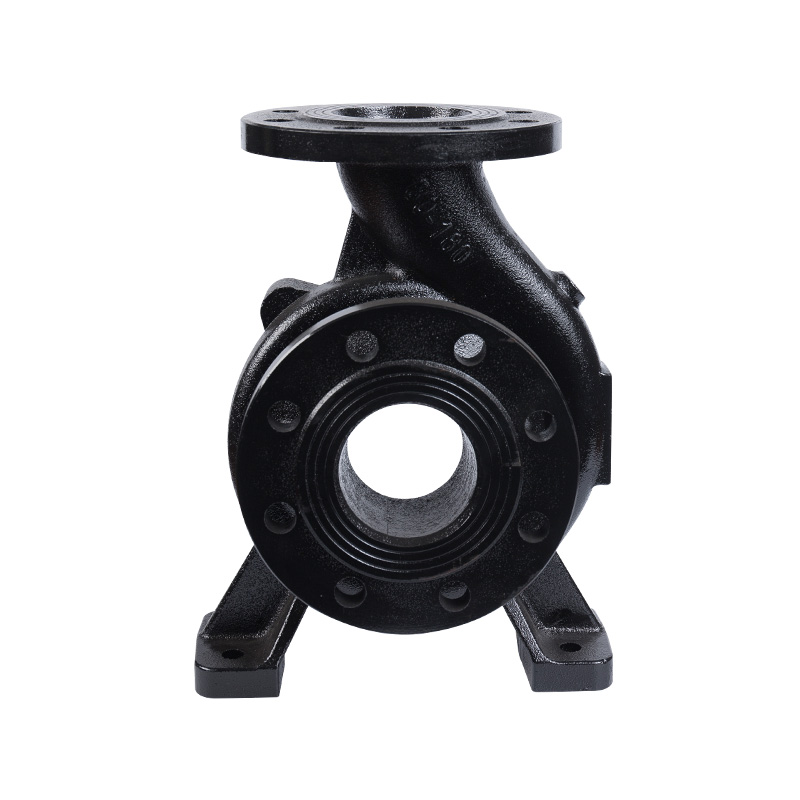
Horizontal pipeline pump body
Cat:Pipeline Pump Accessories
The pump body consists of two main parts: suction chamber and pressure...
See Details -
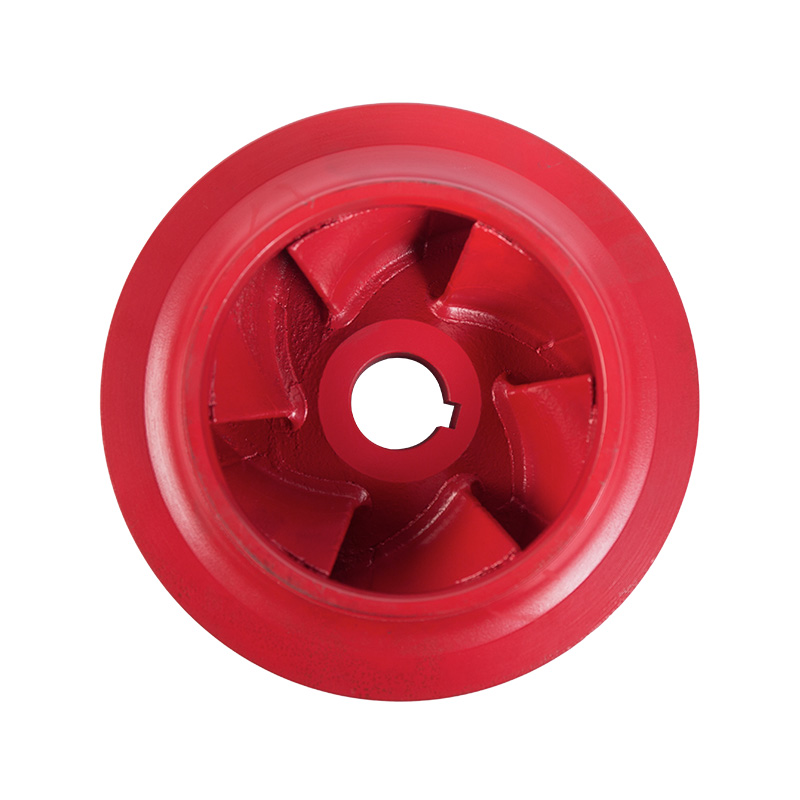
Pipeline pump cast iron impeller
Cat:Pipeline Pump Accessories
The impeller refers to both the disc with moving blades, which is an i...
See Details -
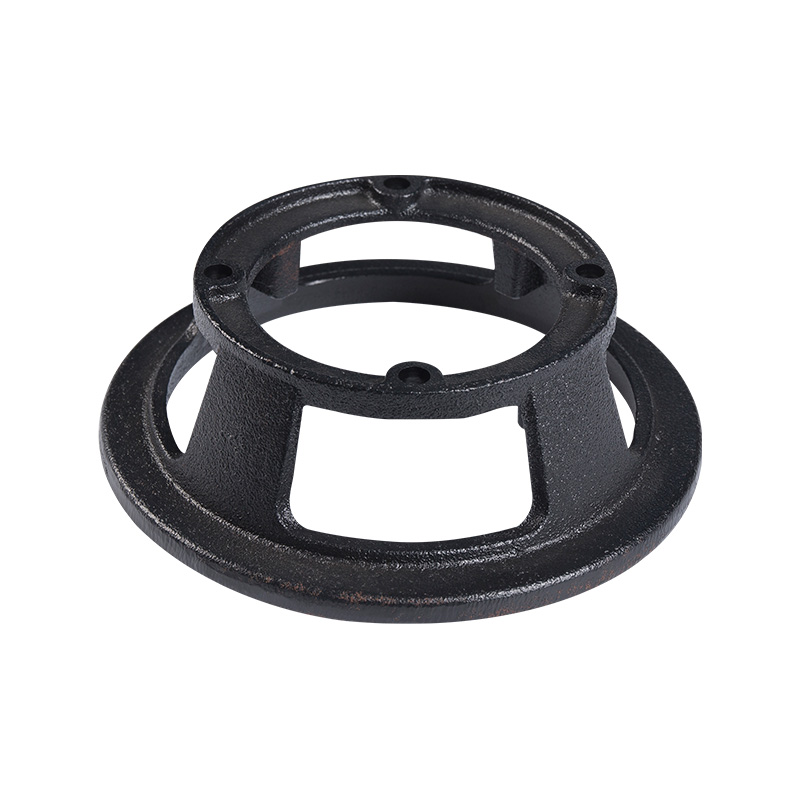
Sewage pump foot plate
Cat:Sewage Pump Accessories
Components mounted on the bottom of the sewage pump unit to support th...
See Details -
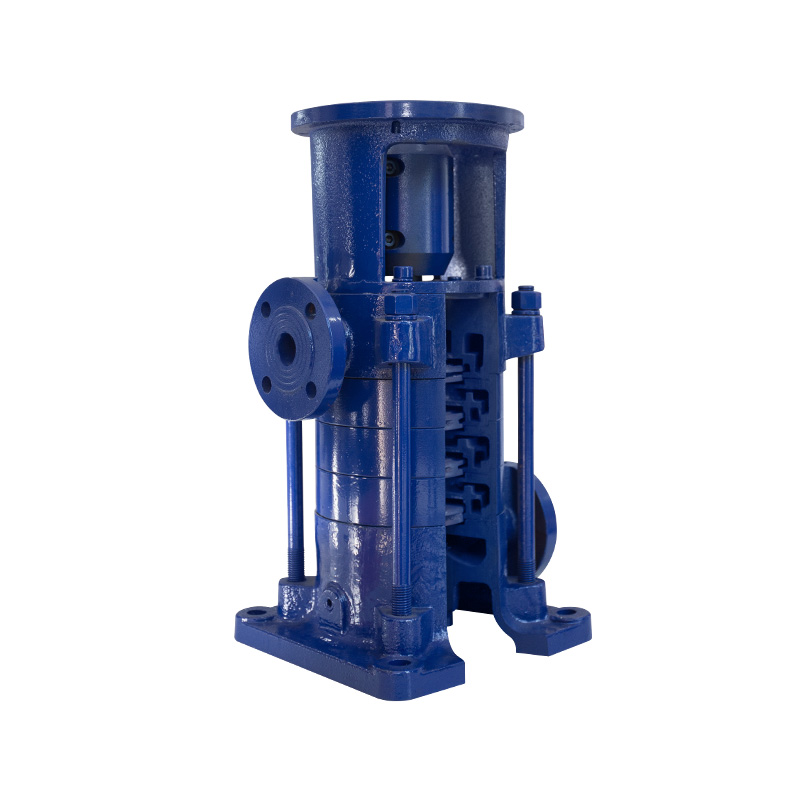
LG multistage pump 100 series
Cat:LG Multi-stage Pump
Product features 1. Compact structure, small volume, small footprint. ...
See Details -
LG multi-stage pump 150 series
Cat:LG Multi-stage Pump
Operating conditions 1. It can convey clear water or non-corrosive med...
See Details -
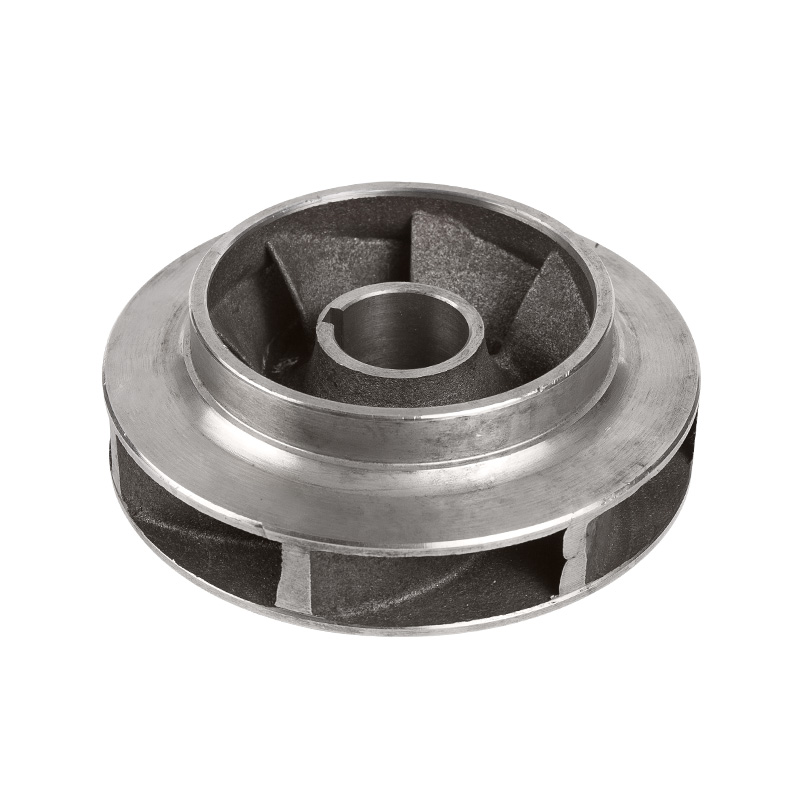
LG multi-stage pump stainless steel impeller
Cat:LG Multi-stage Pump Accessories
Stainless steel impellers are impellers made of stainless steel materi...
See Details -
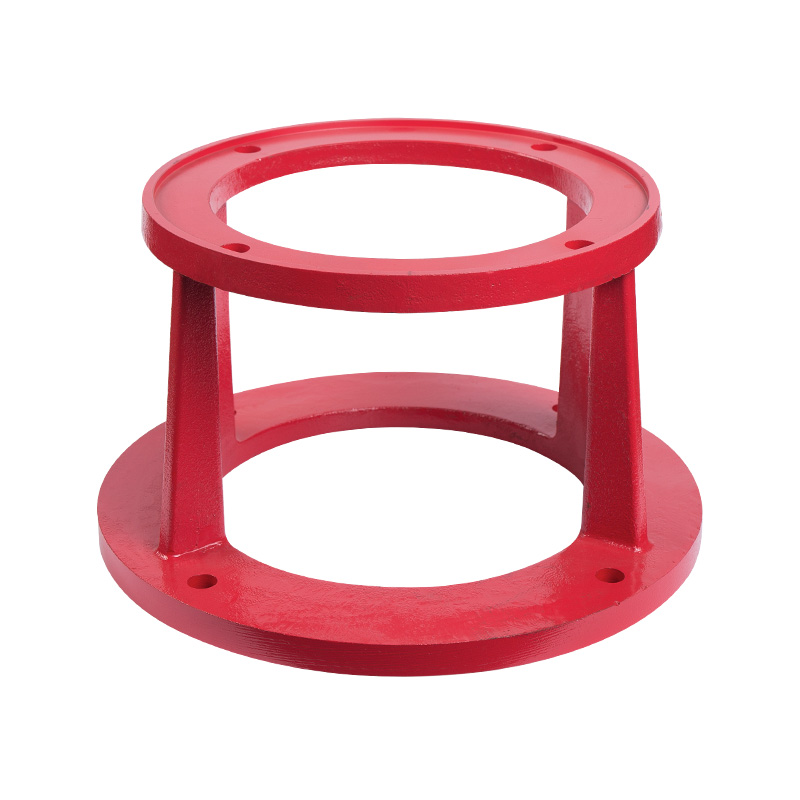
LG multi-stage pump motor bracket
Cat:LG Multi-stage Pump Accessories
Motor bracket is a support part used to fix the motor and connect the ...
See Details -
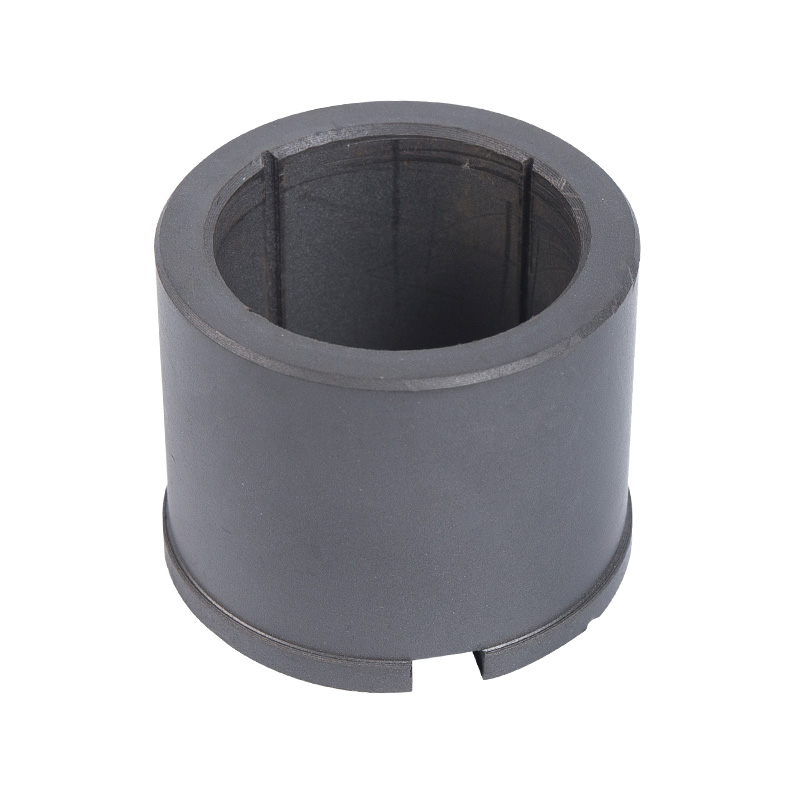
LG multi-stage pump water bearing
Cat:LG Multi-stage Pump Accessories
Water bearings are a special type of bearings commonly used in multi-s...
See Details -
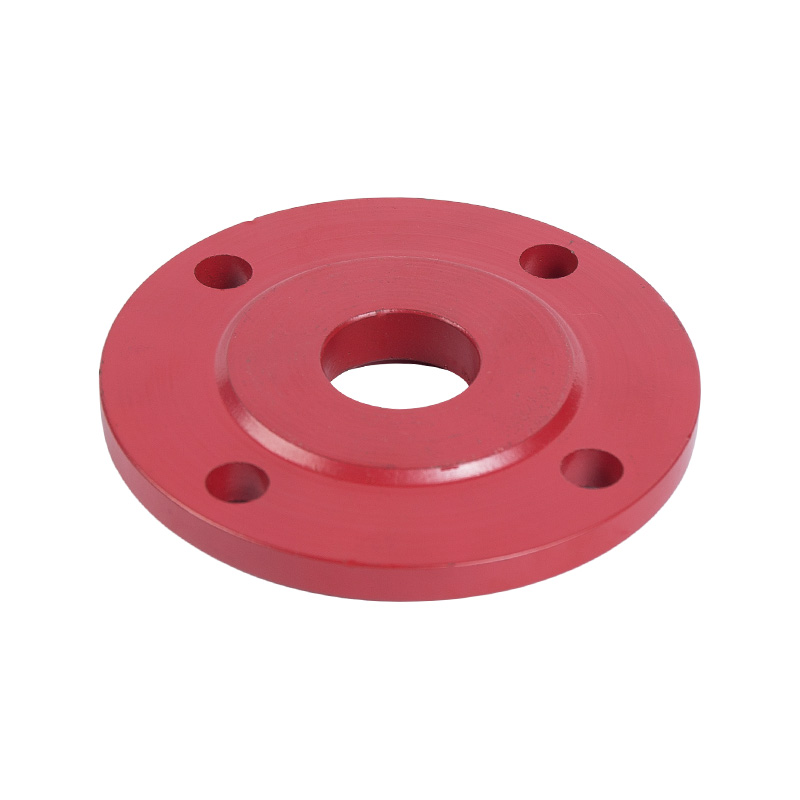
LG multi-stage pump seal gland
Cat:LG Multi-stage Pump Accessories
The machine seal gland is a component that encloses the machine seal u...
See Details -
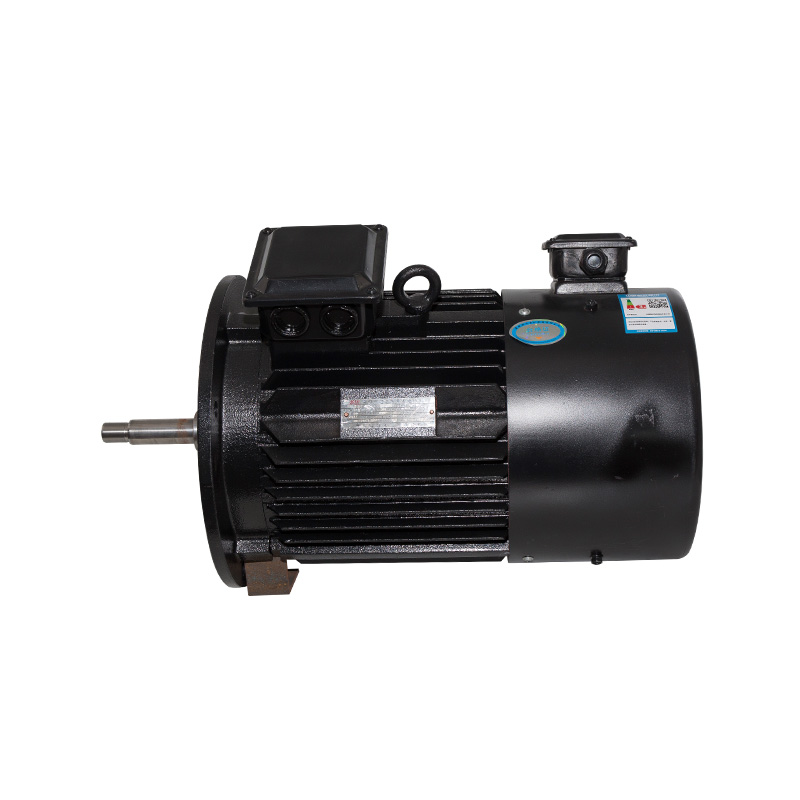
B14/B5 Vertical inverter motor
Cat:Inverter Electric Motor
A type of adjustable speed motor that can control the speed of the mot...
See Details
Get A Quote
Quick Links
Products
- TD High-efficiency And Energy-saving Circulating Pump
- TD High-efficiency And Energy-saving Circulating Pump Accessories
- Pipeline Pump
- Pipeline Pump Accessories
- Sewage Pump
- Sewage Pump Accessories
- LG Multi-stage Pump
- LG Multi-stage Pump Accessories
- Cooling Tower Circulation Pump
- Electric Motor
- Electric Motor Accessories
Contact Us
-

+86-0563-2251312
-

+86-0563-2251311
-

+86-139 6620 0379
-

-

No.43 Guohua Road, Guangde Economic Development Zone, Xuancheng City, Anhui Province, China
Mobile Site
