
 search
 EN
EN  русский
 عربى
عربى 简体中文
简体中文News
How Do Cooling Tower Circulation Pumps Optimize HVAC Systems?
Cooling tower circulation pumps serve as the vital link between heat rejection equipment and building cooling systems, continuously moving water through the cooling cycle to maintain optimal temperatures for air conditioning, refrigeration, and industrial process cooling. These specialized pumps must handle unique challenges including variable flow demands, seasonal temperature extremes, and water quality issues that distinguish them from standard water circulation applications. Understanding the construction, operation, and maintenance requirements of cooling tower pumps is essential for facility managers, HVAC technicians, and building operators responsible for maintaining comfortable indoor environments while optimizing energy consumption and equipment longevity.
The cooling tower system operates as a continuous loop where warm water from chillers or heat exchangers flows to the cooling tower for heat rejection through evaporative cooling. The circulation pump moves cooled water from the tower basin back to the chiller condenser or process equipment, where it absorbs heat before returning to the tower. This cyclical process requires pumps capable of delivering consistent flow rates across varying system pressures while operating continuously throughout cooling seasons. The pump's performance directly impacts chiller efficiency, as inadequate condenser water flow forces chillers to work harder, increasing energy consumption and potentially triggering protective shutdowns during peak demand periods.
Modern cooling tower circulation systems increasingly incorporate variable speed drives that adjust pump output to match instantaneous cooling loads rather than running at constant full capacity. This variable flow strategy reduces electrical consumption during partial load conditions, which represent the majority of operating hours in most climates. However, variable speed operation introduces additional considerations for pump selection, system design, and control strategies to prevent operational issues such as cavitation, insufficient flow at critical moments, or control instability. The complexity of these systems demands comprehensive understanding of pump fundamentals and their interaction with broader cooling infrastructure.
Understanding Pump Types and Selection Criteria
Cooling tower applications predominantly employ centrifugal pumps due to their reliability, efficiency, and ability to handle the flow and pressure requirements typical of these systems. Within the centrifugal category, several specific configurations address different installation constraints and performance objectives. End-suction pumps represent the most common type, featuring suction inlet on one side and discharge outlet on top or side, with the motor mounted separately and coupled through a flexible coupling. This configuration offers accessibility for maintenance and flexibility in motor selection but requires precise alignment between pump and motor shafts.
Horizontal split-case pumps serve larger cooling tower installations requiring high flow rates, typically above 500 gallons per minute. These double-suction pumps feature horizontally split casings that allow maintenance access without disconnecting piping, and the double-suction impeller design balances axial forces while allowing higher flow capacity from a given impeller diameter. The construction facilitates bearing inspection, seal replacement, and impeller service without complete pump removal from the system. Vertical turbine pumps mount directly in the cooling tower basin with the pump bowl submerged and the motor elevated above the water surface, eliminating priming concerns and saving floor space while requiring specialized installation and maintenance procedures.
| Pump Type | Typical Flow Range | Advantages | Limitations |
| End-Suction | 50-500 GPM | Economical, simple maintenance | Requires alignment, priming |
| Split-Case | 500-5000 GPM | High capacity, easy servicing | Higher initial cost, larger footprint |
| Vertical Turbine | 100-3000 GPM | No priming, space efficient | Complex maintenance, basin mounted |
| Submersible | 20-500 GPM | Quiet, compact, self-priming | Limited accessibility, seal critical |
Proper pump sizing requires accurate determination of system flow requirements and total dynamic head (TDH). Flow rate derives from the heat rejection capacity needed, calculated using the formula: GPM = (BTU/hr × 500) ÷ (temperature difference). The TDH encompasses static lift from the tower basin to the highest system point, friction losses through piping and components, and pressure requirements at the discharge point. Undersized pumps fail to deliver adequate flow, compromising chiller performance, while oversized pumps waste energy and may create control difficulties or induce cavitation at reduced flow conditions.
Material Selection for Corrosion Resistance
Cooling tower water presents significant corrosion challenges that demand careful material selection for pump components exposed to the circulating fluid. The water chemistry typically includes dissolved minerals, treatment chemicals, biological activity, and suspended solids that attack standard materials. Temperature variations, aeration in the cooling tower, and concentration cycles from evaporation intensify corrosive conditions. Pump materials must withstand these aggressive conditions while maintaining structural integrity and dimensional stability throughout years of continuous operation.
Cast iron remains economical for pump casings in less aggressive water conditions, particularly when proper water treatment maintains chemistry within acceptable parameters. However, cast iron suffers from graphitic corrosion in some water chemistries, where selective leaching removes iron and leaves weakened graphite structure. Bronze alloys including tin bronze and aluminum bronze provide superior corrosion resistance for impellers, wear rings, and other wetted components. Bronze withstands most cooling tower water conditions well, though dezincification can occur in certain environments with high chloride content or improper pH levels.
Stainless steel options include 316 stainless for casings and shafts in moderately corrosive conditions, or duplex stainless steel grades for severely aggressive applications. Stainless materials resist general corrosion effectively but remain vulnerable to localized pitting and crevice corrosion in high-chloride environments unless proper alloy selection and water treatment are maintained. Coatings such as epoxy or fusion-bonded epoxy on cast iron or carbon steel provide economical corrosion protection, though coating damage from debris impact or maintenance activities creates vulnerability to accelerated attack at exposed areas.
Cavitation Prevention and Net Positive Suction Head
Cavitation represents a destructive phenomenon where local pressure drops below the water's vapor pressure, causing bubble formation that subsequently collapses violently when pressure recovers. These implosions generate shock waves that erode pump impellers, casings, and other wetted surfaces while producing characteristic crackling noise and vibration. Preventing cavitation requires ensuring adequate Net Positive Suction Head Available (NPSHA) exceeds the pump's Net Positive Suction Head Required (NPSHR) with appropriate safety margin, typically 1.2 to 1.5 times NPSHR.
NPSHA depends on several system parameters including the absolute pressure acting on the water surface in the tower basin, the static elevation difference between the water level and pump centerline, friction losses in the suction piping, and the water's vapor pressure at operating temperature. Increasing NPSHA involves raising the water level in the basin, minimizing suction piping length and fittings, enlarging suction pipe diameter to reduce velocity and friction losses, or locating the pump at a lower elevation relative to the water source. Each strategy impacts system design, installation cost, and operational flexibility.
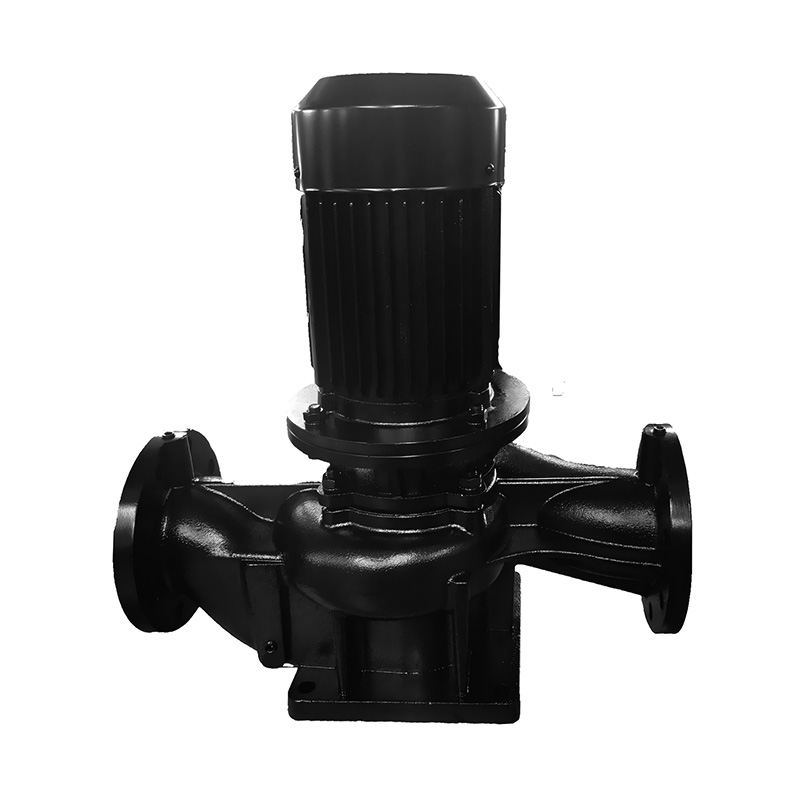
Temperature effects on cavitation deserve special attention in cooling tower applications. Higher water temperatures increase vapor pressure substantially—water at 100°F has more than double the vapor pressure of water at 70°F. This relationship means that cavitation risk increases during hot weather when cooling demands peak and water temperatures rise. Variable speed operation compounds the issue, as reducing pump speed lowers discharge pressure but may not proportionally reduce NPSHR, potentially creating cavitation at partial speed conditions. Proper system design accounts for worst-case temperature scenarios and variable speed operating ranges to maintain cavitation-free operation across all anticipated conditions.
Mechanical Seal Systems and Packing Alternatives
Shaft sealing prevents water leakage where the rotating shaft penetrates the pump casing while accommodating shaft rotation, thermal expansion, and modest shaft movement from bearing clearances. Mechanical seals have largely replaced traditional packing in cooling tower pump applications due to reduced leakage, lower maintenance requirements, and elimination of continuous adjustment needs. A mechanical seal consists of precisely lapped flat faces perpendicular to the shaft—one rotating with the shaft and one stationary in the casing—held in contact by spring force and hydraulic pressure while a thin fluid film lubricates the interface.
Single mechanical seals suit most cooling tower applications with clean water at moderate temperatures and pressures. The seal faces typically employ carbon graphite against ceramic or silicon carbide, with elastomeric secondary seals accommodating shaft and casing movement. Component-type seals allow replacement of individual wear parts, while cartridge seals arrive pre-assembled and pre-set, simplifying installation and reducing the risk of improper assembly. Dual mechanical seals provide enhanced protection for applications with contaminated water, high temperatures, or critical installations where leakage cannot be tolerated. The barrier fluid between seal pairs prevents process fluid contact with the atmospheric seal, extending seal life and containing leakage.
Mechanical seal failures typically result from several common causes:
- Dry running from low basin levels, air entrainment, or inadequate seal flush causing face overheating and thermal cracking of seal face materials
- Abrasive wear from suspended solids in the cooling water that act as lapping compound between seal faces, progressively roughening surfaces and increasing leakage
- Chemical attack on elastomeric components from incompatible water treatment chemicals or pH excursions outside acceptable ranges
- Excessive shaft deflection or vibration from misalignment, bearing wear, or cavitation that prevents proper seal face contact and accelerates wear
Variable Speed Drive Integration and Control Strategies
Variable frequency drives (VFDs) have revolutionized cooling tower pump operation by enabling precise flow control that matches instantaneous cooling demands rather than relying on constant speed operation with bypass control or valve throttling. The energy savings potential is substantial, as pump power consumption varies with the cube of speed according to affinity laws. Reducing pump speed by 20% decreases power consumption by approximately 50%, creating compelling economics for VFD installation despite higher initial equipment costs.
Control strategies for variable speed cooling tower pumps typically sense condenser water supply temperature, return temperature, or differential pressure to modulate pump speed. As cooling loads decrease, the control system reduces pump speed to maintain target supply temperature or approach temperature to wet bulb conditions. Advanced control algorithms account for multiple variables including outdoor air temperature, humidity, cooling load forecasts, and electrical demand charges to optimize overall system efficiency rather than simply minimizing pump energy consumption in isolation.
VFD application introduces technical considerations beyond simple speed control. Harmonic currents generated by VFD switching create additional heating in motor windings and may require line reactors or harmonic filters to prevent problems. Motor insulation systems must withstand the high-frequency voltage spikes characteristic of VFD output, with inverter-duty motors featuring enhanced insulation for long-term reliability. Minimum speed limits prevent operation in the unstable region of the pump curve where flow recirculation and pressure pulsations occur. Bypass lines or staging of multiple pumps address conditions where required flow falls below the minimum stable flow of the controlled pump.
Water Quality Management and Its Impact on Pump Longevity
Cooling tower water quality directly affects pump component life through corrosion, scaling, biological fouling, and suspended solids that create abrasive wear. Open recirculating systems expose water to atmospheric contaminants, airborne particles, and biological organisms while concentrating dissolved minerals through evaporation. Without proper treatment, these factors accelerate pump deterioration and create operational problems including reduced flow, increased power consumption, and premature component failure.
Scale formation occurs when dissolved minerals exceed solubility limits and precipitate onto heat transfer surfaces and internal pump passages. Calcium carbonate and calcium sulfate represent the most common scale formers, with deposition rates increasing at higher temperatures and pH levels. Scale accumulation restricts flow passages, increases friction losses, creates localized corrosion under deposits, and may cause bearing or seal failures through interference with rotating components. Chemical treatment programs employ scale inhibitors, pH adjustment, and blowdown control to maintain water chemistry within acceptable ranges that prevent scale formation.
Biological fouling from algae, bacteria, and other microorganisms creates different challenges. These organisms form biofilms on wetted surfaces, restricting flow and creating corrosion cells under deposits. Legionella bacteria, which can colonize cooling towers and create serious health hazards, requires vigilant monitoring and treatment. Biocide programs incorporating oxidizing agents like chlorine or bromine, plus non-oxidizing biocides for biofilm penetration, control biological growth. However, treatment chemicals themselves may attack pump materials if concentrations exceed tolerance levels or if incompatible materials are used in pump construction.
Essential Maintenance Practices and Inspection Schedules
Proactive maintenance extends cooling tower circulation pump life while preventing unexpected failures that compromise building comfort or process operations. Comprehensive maintenance programs combine routine inspections, predictive monitoring, and scheduled component replacement based on manufacturer recommendations and operational experience. The maintenance approach should balance prevention of catastrophic failures against the costs of excessive intervention or premature part replacement.
Daily operational checks performed by building operators or automated monitoring systems verify that pumps are running smoothly without unusual noise, vibration, or leakage. Motor current draw should remain within normal ranges for the cooling load, with significant deviations indicating mechanical problems, impeller fouling, or electrical issues. Seal leakage requires attention, as even minor leakage often progresses rapidly once initiated. Basin water level must be maintained above minimum requirements to prevent air entrainment and ensure adequate NPSHA.
Periodic maintenance tasks performed at monthly or quarterly intervals include:
- Vibration measurements at motor and pump bearings to detect developing imbalance, misalignment, or bearing wear before symptoms become severe
- Temperature monitoring of motor windings and bearing housings using infrared thermography or embedded sensors to identify cooling deficiencies or excessive friction
- Alignment verification between pump and motor shafts, particularly after maintenance activities or if vibration levels increase
- Lubrication service for bearings according to manufacturer specifications, avoiding both under-lubrication and over-greasing that can cause overheating
- Strainer cleaning to prevent flow restriction and maintain adequate suction conditions, particularly important during seasons with high airborne debris
Energy Efficiency Optimization and Performance Monitoring
Cooling tower circulation pumps represent significant energy consumers in commercial buildings and industrial facilities, often operating continuously throughout cooling seasons and consuming thousands of kilowatt-hours annually. Optimizing pump efficiency reduces operating costs while supporting sustainability initiatives and potentially qualifying for utility rebates or energy efficiency incentives. Efficiency improvements come from proper equipment selection, system design optimization, and operational strategies that minimize unnecessary energy consumption.
Pump efficiency varies across the operating range, with peak efficiency occurring at a specific flow and head point called the Best Efficiency Point (BEP). Operating significantly away from BEP reduces efficiency and increases stress on pump components through recirculation, cavitation, or excessive disc friction. System design should position normal operating conditions near BEP, with adequate range to handle load variations without moving into unstable operating regions. When replacement becomes necessary, premium efficiency motors meeting NEMA Premium or IE3/IE4 standards reduce electrical losses, with payback periods often under three years for continuously operating equipment.
Performance monitoring provides visibility into pump operation and enables data-driven optimization. Modern building automation systems can track flow rates, pressures, temperatures, power consumption, and calculated efficiency in real-time. Trending this data reveals gradual performance degradation from wear, fouling, or system changes that increase energy consumption. Establishing baseline performance metrics when pumps are new or freshly serviced enables quantitative assessment of degradation and guides maintenance intervention decisions. Energy meters dedicated to cooling tower pumps isolate their consumption from other loads, supporting detailed analysis of efficiency improvements from operational changes or equipment upgrades.
Common Operational Problems and Troubleshooting Approaches
Cooling tower circulation pumps encounter various operational issues that disrupt performance and require systematic troubleshooting for effective resolution. Understanding common problems, their symptoms, and root causes enables faster diagnosis and appropriate corrective actions. Insufficient flow represents a frequent complaint, manifesting through inadequate chiller performance, high condenser temperatures, or low discharge pressure readings. Multiple potential causes exist including impeller wear, system blockages, incorrect pump rotation, air binding, or cavitation from inadequate NPSHA.
Excessive vibration indicates mechanical problems requiring prompt attention to prevent progressive damage. Vibration sources include imbalance from impeller deposits or damage, misalignment between pump and driver, bearing wear, cavitation, or piping strain transmitted to the pump. Vibration analysis helps identify the specific cause—imbalance generates vibration at rotational frequency, misalignment creates axial and radial vibration at 1× and 2× rotational speed, and bearing defects produce characteristic high-frequency signatures. Corrective actions range from simple rebalancing to complete pump realignment or bearing replacement depending on diagnosis results.
Motor overload and circuit breaker tripping may result from mechanical binding, voltage imbalances, single-phase operation from failed contactors, or genuine overload from system changes that increased head requirements beyond pump capabilities. Electrical measurements including voltage at motor terminals, current on all three phases, and insulation resistance testing help distinguish electrical problems from mechanical causes. Locked rotor current during starting must remain within circuit breaker and motor thermal limits, requiring soft starters or VFDs for applications with difficult starting conditions or frequent start-stop cycles.
Winterization and Seasonal Shutdown Procedures
Facilities in climates with freezing temperatures must implement proper winterization procedures for cooling tower systems that operate seasonally. Freezing water in pumps, piping, or cooling towers causes catastrophic damage through ice expansion that cracks casings, ruptures pipes, and destroys mechanical seals. Thorough drainage represents the fundamental winterization requirement, with all low points in the system equipped with drain valves and adequate slope to ensure complete water removal.
Pump winterization involves more than simple drainage. After draining visible water, residual liquid remains in pump cavities, seal chambers, and bearing housings. Compressed air blown through the pump helps expel remaining water, though complete removal from all passages proves difficult. Adding antifreeze to the pump casing before final sealing provides freeze protection for residual water that cannot be removed. The pump should be manually rotated several times to distribute antifreeze throughout internal passages and prevent shaft and bearing seizure during idle periods.
Spring startup procedures reverse winterization while verifying system readiness for operation. Visual inspection confirms that drain valves are closed, strainers are clean, and piping remains intact without visible damage from freezing or other winter conditions. The cooling tower basin is filled gradually while monitoring for leaks. The pump is manually rotated before energizing to verify free rotation and proper lubrication distribution. Initial startup should be monitored closely for unusual noise, vibration, or leakage, with bearing temperatures tracked to ensure proper lubrication and alignment. Flow and pressure readings are compared to baseline values to confirm that the system is operating as designed and ready to support cooling loads.
Related Products
-

TD high efficiency and energy saving circulating pump pump shaft
Cat:TD High-efficiency And Energy-saving Circulating Pump Accessories
The pump shaft is the component that connects the motor to the impelle...
See Details -
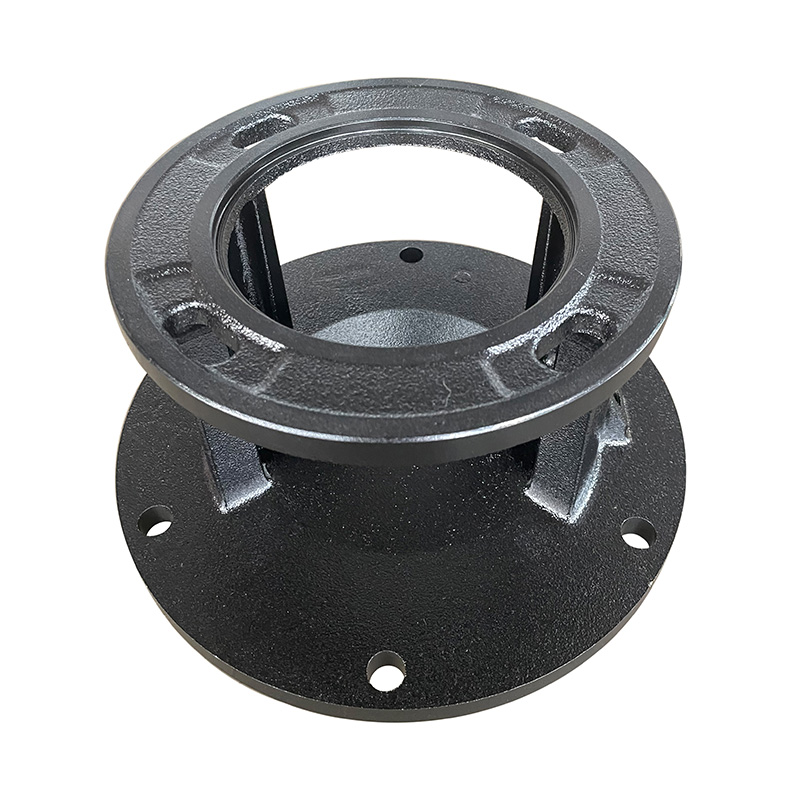
TD high-efficiency energy-saving circulation pump vertical base
Cat:TD High-efficiency And Energy-saving Circulating Pump Accessories
A vertical base is a pedestal used to support and secure a vertical TD...
See Details -
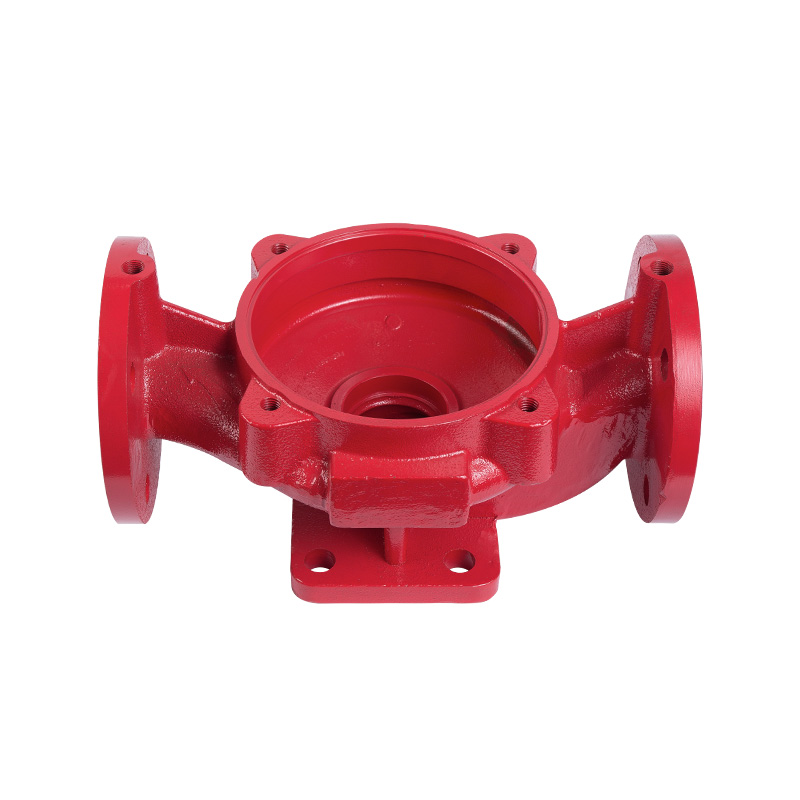
Vertical pipeline pump body
Cat:Pipeline Pump Accessories
The pump body consists of two main parts: suction chamber and pressure...
See Details -
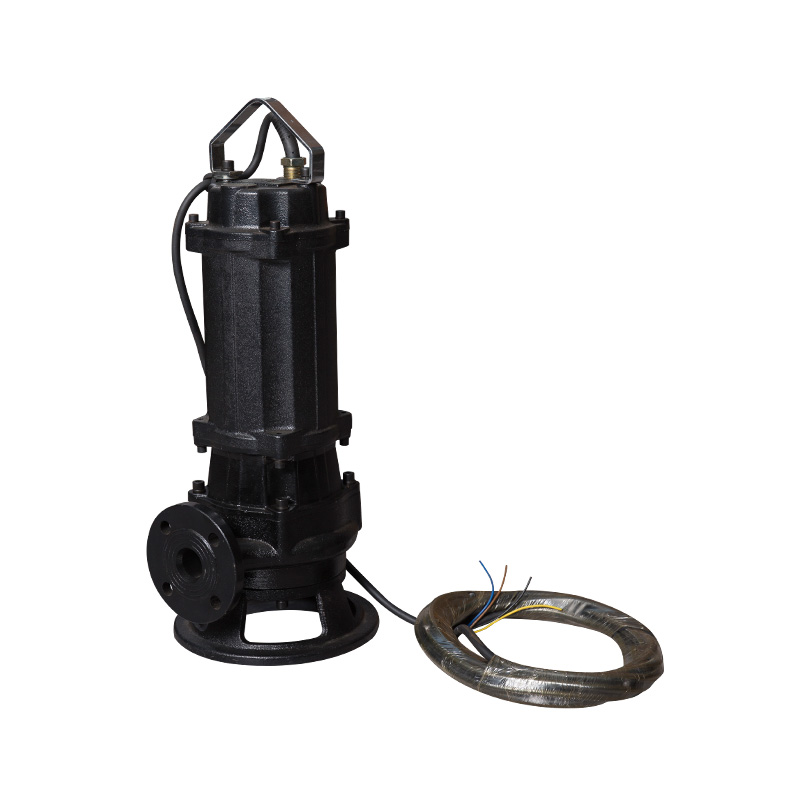
Ordinary sewage pump
Cat:Sewage Pump
1. Our WQ-type general sewage pump adopts a large flow channel anti-cl...
See Details -
Sewage pump bearing seat
Cat:Sewage Pump Accessories
Installed inside the sewage pump unit, they support the rotor part of ...
See Details -
LG multi-stage pump 150 series
Cat:LG Multi-stage Pump
Operating conditions 1. It can convey clear water or non-corrosive med...
See Details -
Stainless steel LG multi-stage pump bearing sleeve
Cat:LG Multi-stage Pump Accessories
Stainless Steel Bearing Sleeves are bearing sleeves made of stainless ...
See Details -
Horizontal motors
Cat:Ordinary Electric Motor
Also known as base mounting, the motor is connected to the mounting da...
See Details -
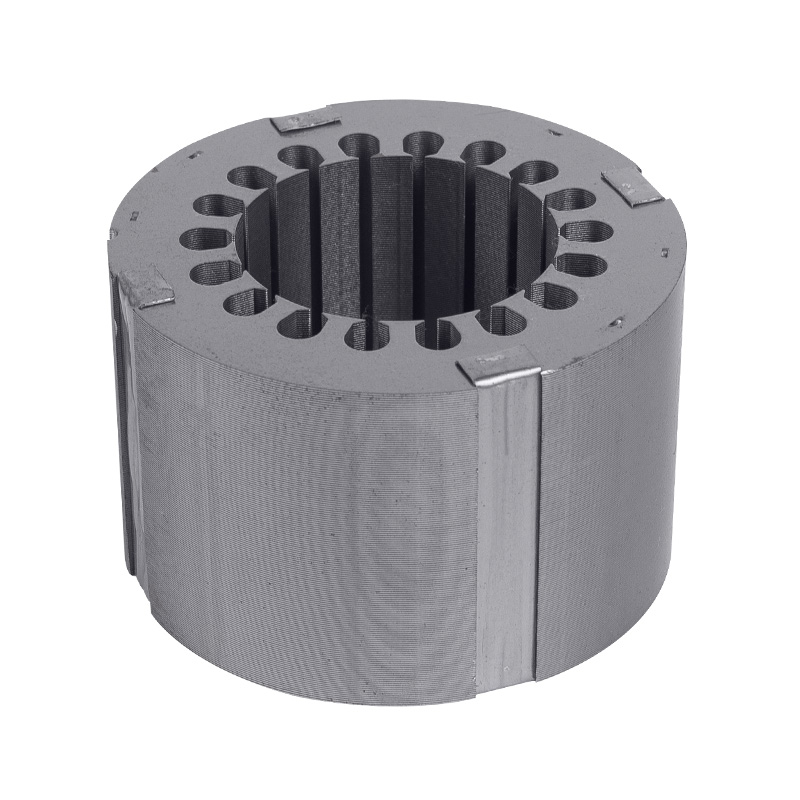
Motor core stator and rotor
Cat:Electric Motor Accessories
A common motor structure, the stator is fixed by the iron core structu...
See Details -
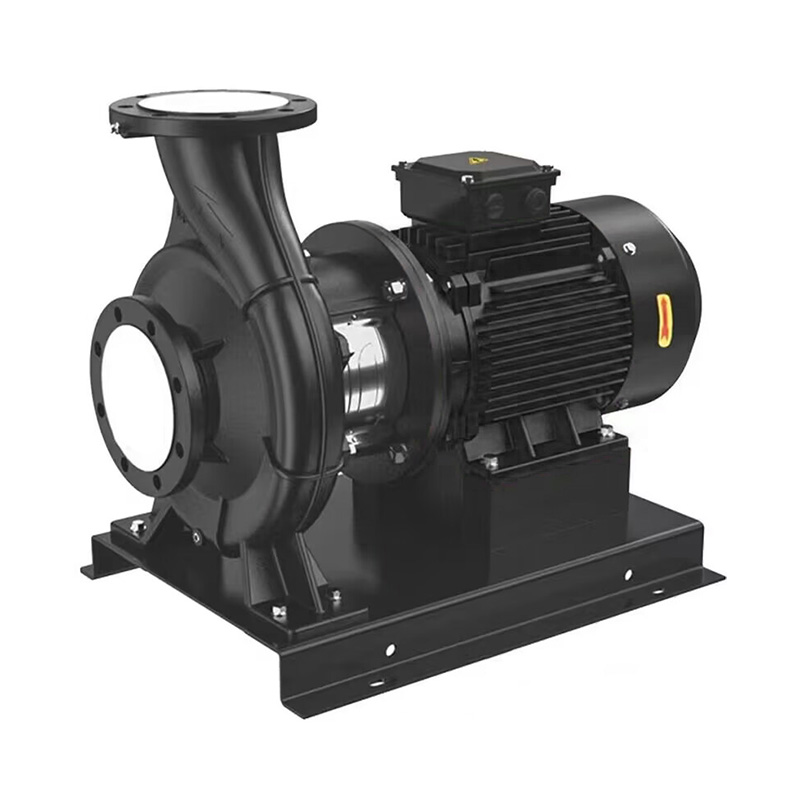
TD horizontal high-efficiency energy-saving circulation pump
Cat:TD High-efficiency And Energy-saving Circulating Pump
1.TD horizontal high-efficiency and energy-saving circulation pump is ...
See Details
Get A Quote
Quick Links
Products
- TD High-efficiency And Energy-saving Circulating Pump
- TD High-efficiency And Energy-saving Circulating Pump Accessories
- Pipeline Pump
- Pipeline Pump Accessories
- Sewage Pump
- Sewage Pump Accessories
- LG Multi-stage Pump
- LG Multi-stage Pump Accessories
- Cooling Tower Circulation Pump
- Electric Motor
- Electric Motor Accessories
Contact Us
-

+86-0563-2251312
-

+86-0563-2251311
-

+86-139 6620 0379
-

-

No.43 Guohua Road, Guangde Economic Development Zone, Xuancheng City, Anhui Province, China
Mobile Site
