
 search
 EN
EN  русский
 عربى
عربى 简体中文
简体中文News
Home / News / Industry News / Energy-Saving Circulating Pumps: How They Work, What to Look For, and How to Choose the Right One
Circulating pumps are among the most persistently overlooked energy consumers in building services, industrial process systems, and district heating networks. Unlike HVAC chillers or boilers that command attention due to their visible size and obvious energy demand, circulating pumps operate continuously in the background—often running at fixed speed and full power regardless of whether the system actually needs full flow at any given moment. In a typical residential heating system, the circulating pump may account for 5–10% of total household electricity consumption. In commercial buildings with multiple hydronic circuits, industrial cooling loops, and district heating installations, the aggregate energy consumed by pumping systems can represent 20–30% of total facility electrical load. This scale of consumption makes pump efficiency improvements one of the highest-return-on-investment interventions available in both building energy management and industrial process optimization, yet it remains systematically underutilized because the inefficiency is silent and gradual rather than obvious and acute.
The shift from fixed-speed, single-speed circulating pumps to variable-speed, electronically commutated energy-saving circulating pumps represents the most significant advance in pump technology of the past three decades. Understanding what makes modern energy-saving pumps different, how they achieve their efficiency gains, and how to select and specify them correctly for a given application is the practical foundation of any serious building or process energy reduction program.
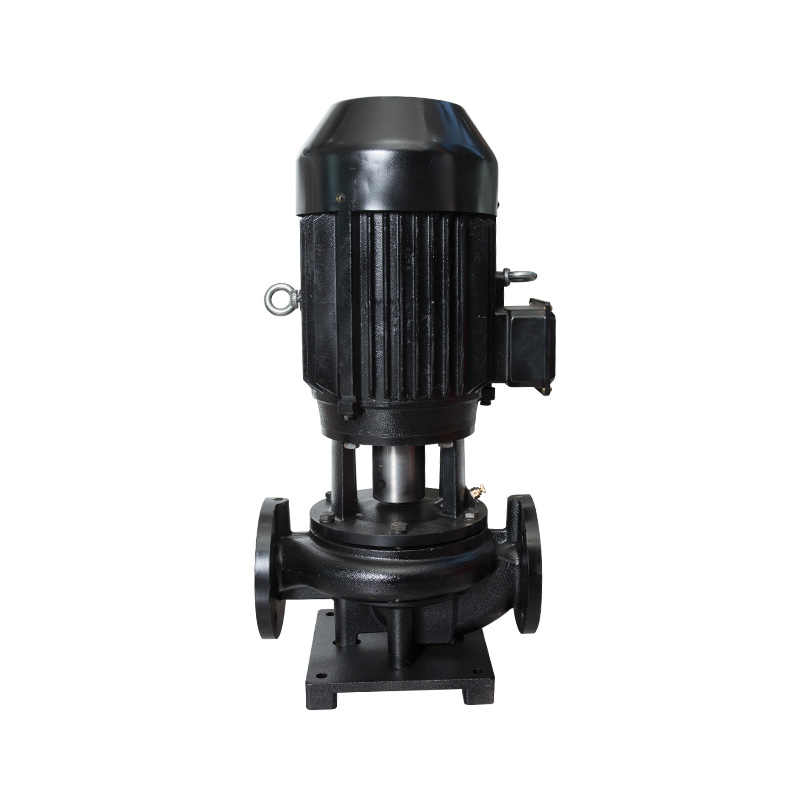
To understand why energy-saving circulating pumps deliver such dramatic efficiency improvements, it is necessary to first understand why their predecessors waste so much energy. Traditional circulating pumps use AC induction motors operating at a fixed speed determined by the supply frequency—typically 50 Hz in Europe and most of Asia, 60 Hz in North America. This means the pump impeller rotates at a constant speed regardless of the actual flow demand imposed by the system at any moment. In a heating or cooling circuit, thermal demand varies continuously with outdoor temperature, occupancy, solar gain, and operating schedules. A heating system designed to deliver full flow at peak winter conditions—perhaps 10–15 days per year—operates at that same full flow condition for the remaining 350 days when demand is partial, moderate, or minimal.
The physics of this situation are governed by the pump affinity laws, which state that power consumption varies with the cube of rotational speed. A pump running at 80% of its design speed consumes only 51% of its full-speed power (0.8³ = 0.512). A pump running at 60% of design speed consumes only 22% of full-speed power. These relationships mean that even modest reductions in operating speed—achieved by matching pump speed to actual system demand rather than running at full speed continuously—produce disproportionately large reductions in energy consumption. A fixed-speed pump that runs at full power for 8,760 hours per year while the system requires full flow for only 500 of those hours is wasting enormous amounts of electricity in a way that is structurally unavoidable without variable-speed control technology.
Modern energy-saving circulating pumps achieve their efficiency through the integration of three key technologies: electronically commutated permanent magnet motors, integrated variable frequency drives, and intelligent control algorithms that continuously match pump output to system demand. These three elements work together as an inseparable system rather than as independent components, which is why the performance of integrated energy-saving pump units substantially exceeds what is achievable by retrofitting a variable frequency drive onto a conventional induction motor pump.
The motor in a high-efficiency circulating pump is a brushless DC permanent magnet motor (also called an ECM—electronically commutated motor) rather than the AC induction motor used in conventional pumps. Permanent magnet motors eliminate the rotor copper losses that represent a significant fraction of induction motor energy dissipation, since the rotor field is provided by permanent magnets rather than induced current. This gives ECM motors full-load efficiencies of 90–95% compared to 75–85% for equivalent induction motors, and—critically—maintains high efficiency across a wide range of partial-load operating points. An induction motor operating at 30% of rated load typically falls to 60–65% efficiency; a permanent magnet ECM motor at the same partial load maintains 85–90% efficiency. Since circulating pump systems spend the majority of their operating hours at partial load, this partial-load efficiency advantage is far more important in practice than the rated full-load efficiency figure alone.
The integrated electronic drive in an energy-saving circulating pump converts the incoming AC supply to a variable-frequency, variable-voltage DC and then AC output that controls the motor speed precisely in response to control signals. In a dedicated circulating pump unit, this drive is designed specifically for the motor it controls—impedance matching, switching frequency, and thermal management are all optimized for the specific motor rather than the generic optimization required of a universal VFD. This integrated approach delivers drive efficiencies of 97–99% compared to 93–96% for general-purpose VFDs, and eliminates installation complexity, wiring requirements, and potential EMC issues associated with separate drive installations.
The control intelligence embedded in modern energy-saving circulating pumps is what translates variable-speed capability into actual energy savings in real system operation. Leading pump manufacturers offer several control modes that suit different system types and operating philosophies. Proportional pressure control maintains differential pressure across the pump proportional to flow rate—as flow demand drops, setpoint pressure is reduced accordingly, allowing the pump to slow down more than constant differential pressure control would permit. Constant pressure control holds a fixed differential pressure regardless of flow, suitable for systems where pressure loss is concentrated at a single point rather than distributed across the network. Temperature-based control, available in some heating pump models, adjusts pump speed based on system supply and return temperature differential, slowing the pump when the temperature differential narrows (indicating reduced heat demand) and increasing speed when it widens. Auto-adapt control—offered by several premium manufacturers—allows the pump to learn the system's actual operating characteristics over time and continuously optimize its own setpoint without manual commissioning input.
The energy performance of circulating pumps is quantified and regulated through the Energy Efficiency Index (EEI), a metric introduced by the European Commission's ErP (Energy-related Products) Directive that measures a pump's actual energy consumption across a representative range of operating conditions relative to a reference pump. The EEI scale runs from 0 to 1, with lower values representing better efficiency. The following table summarizes the current and historical EEI thresholds and their practical implications for pump s
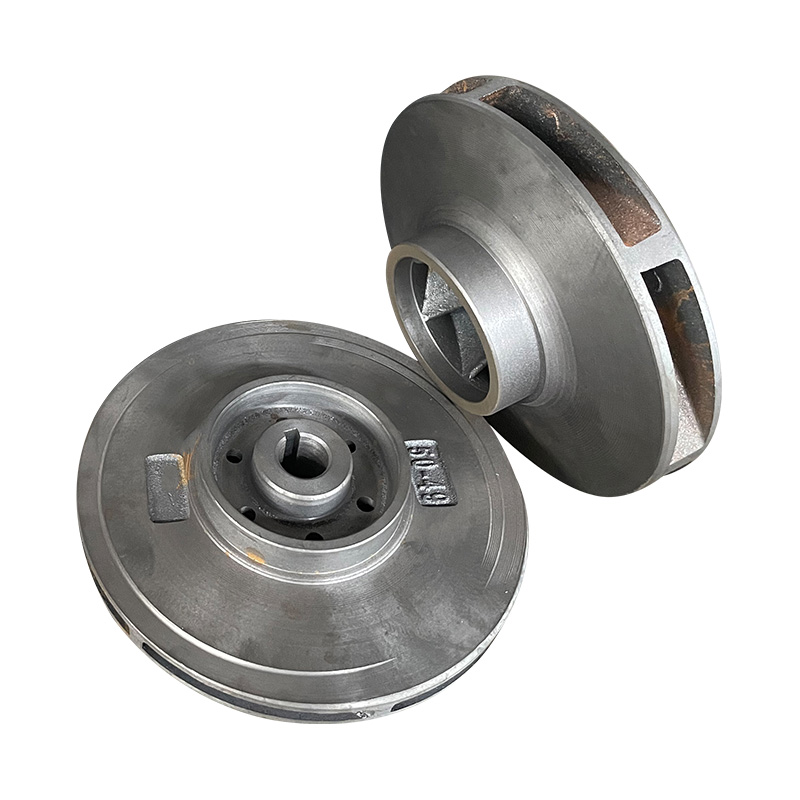
TD Energy Efficient Circulation Pump Cast Iron Impeller is an importan...
See Details
The pump shaft is the component that connects the motor to the impelle...
See Details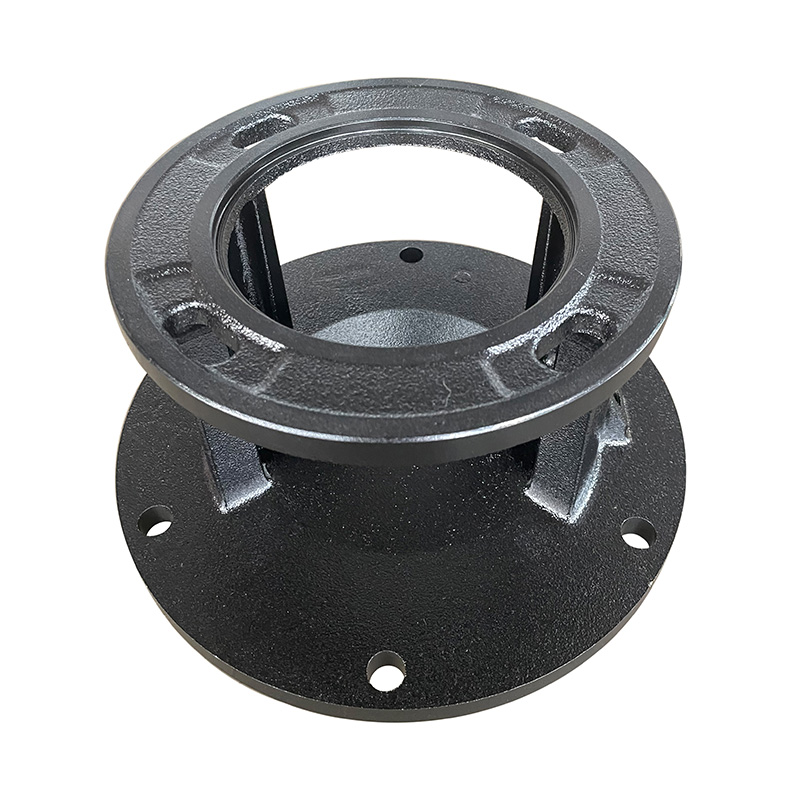
A vertical base is a pedestal used to support and secure a vertical TD...
See Details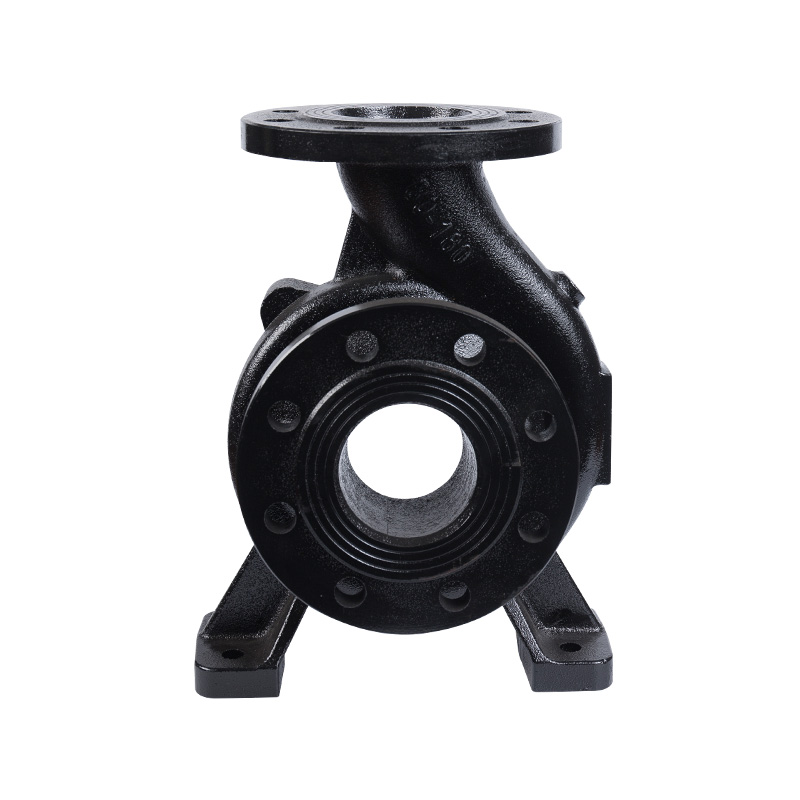
The pump body consists of two main parts: suction chamber and pressure...
See Details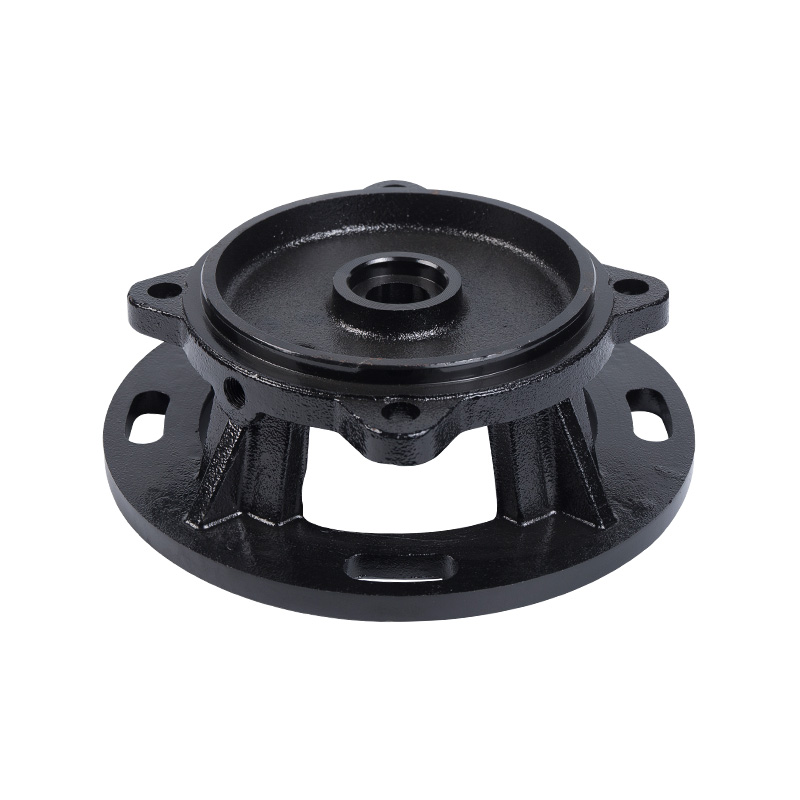
The pump cover is used to tighten and seal. The pump cover ensures tha...
See Details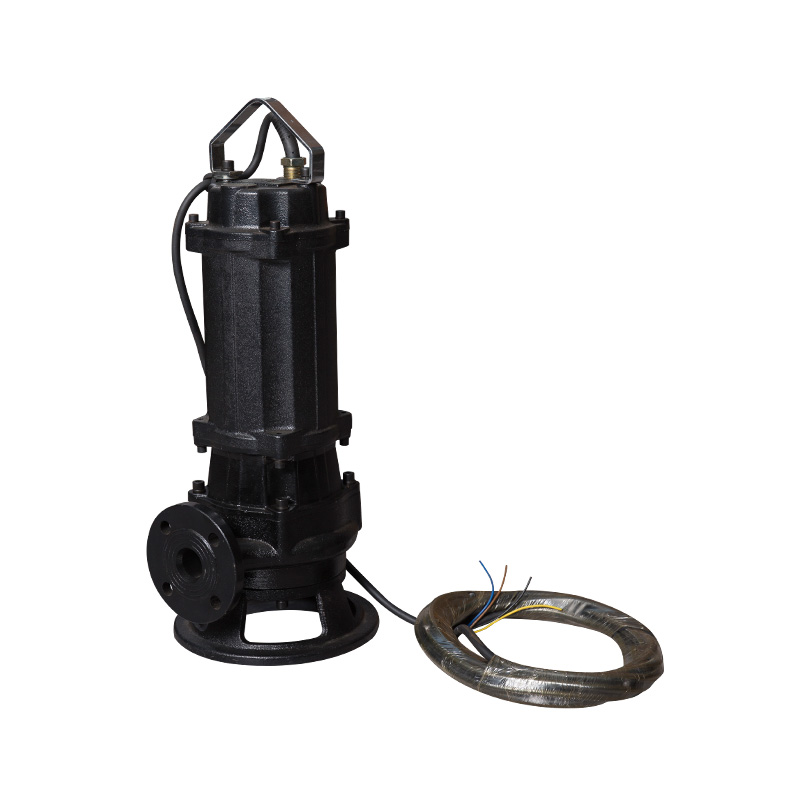
1. Our WQ-type general sewage pump adopts a large flow channel anti-cl...
See Details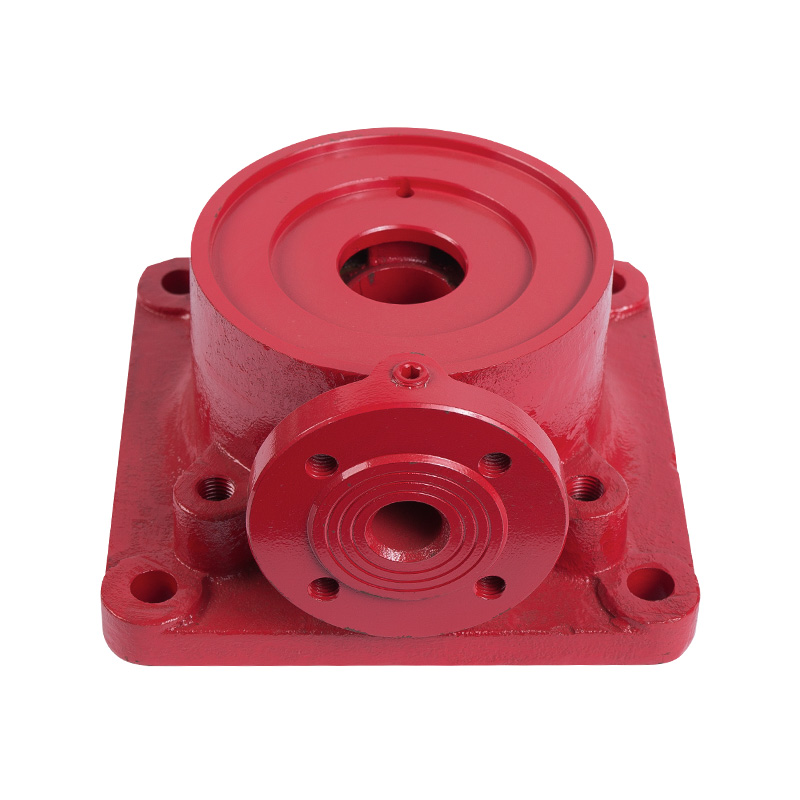
The inlet section is the inlet portion of the pump and is responsible ...
See Details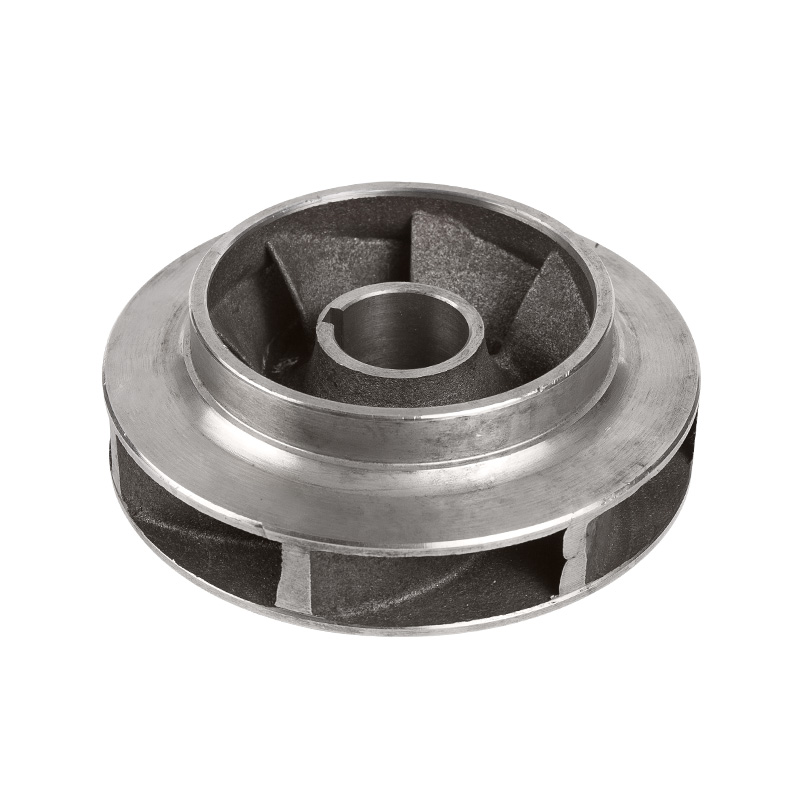
Stainless steel impellers are impellers made of stainless steel materi...
See Details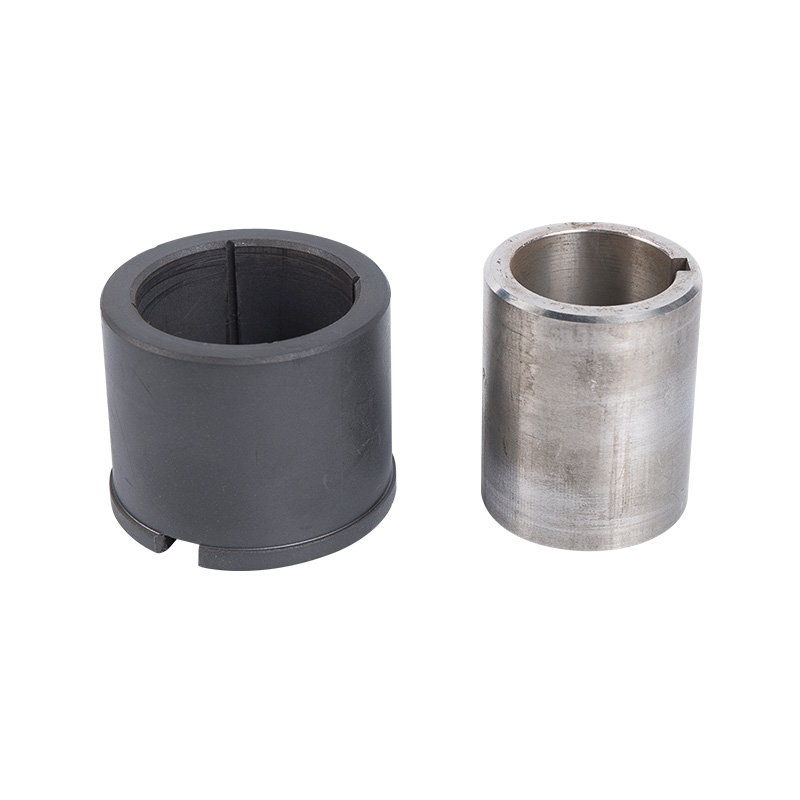
Stainless Steel Bearing Sleeves are bearing sleeves made of stainless ...
See Details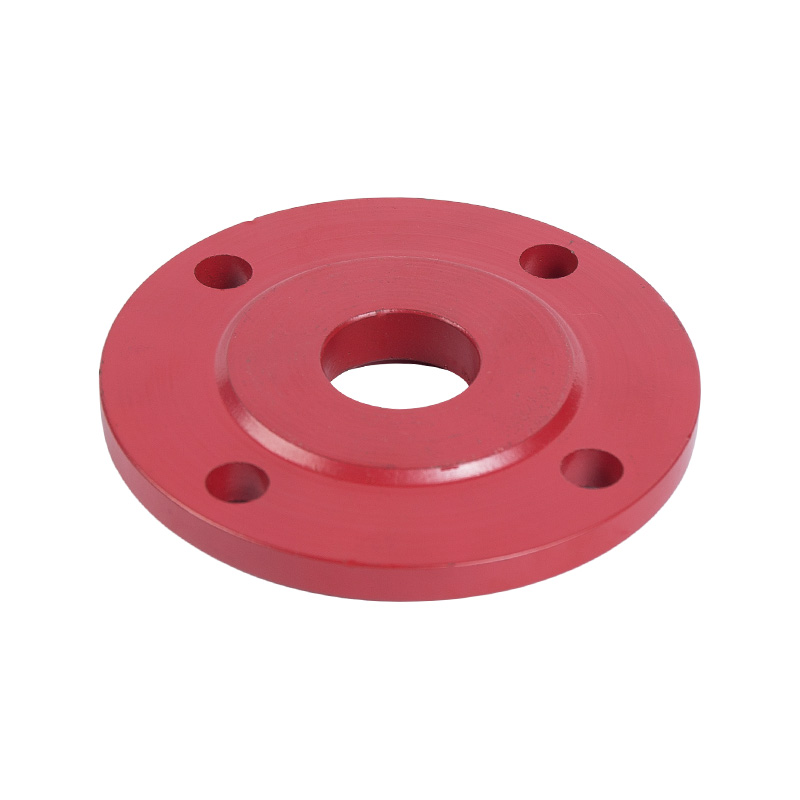
The machine seal gland is a component that encloses the machine seal u...
See Details
+86-0563-2251312

+86-0563-2251311

+86-139 6620 0379


No.43 Guohua Road, Guangde Economic Development Zone, Xuancheng City, Anhui Province, China
