
 search
 EN
EN  русский
 عربى
عربى 简体中文
简体中文News
Home / News / Industry News / Are there any regulations or codes that govern the installation and operation of sewage pumps?
There are regulations and codes that govern the installation and operation of sewage pumps to ensure safety, environmental protection, and compliance with building standards. These regulations may vary depending on the jurisdiction and may include local, state/provincial, and national codes. Some common regulations and codes that may apply to sewage pump installations include:
Most jurisdictions have building codes that establish minimum standards for construction, plumbing, and mechanical systems, including sewage pump installations. These codes often specify requirements for structural design, electrical wiring, plumbing connections, and ventilation to ensure safe and reliable operation.
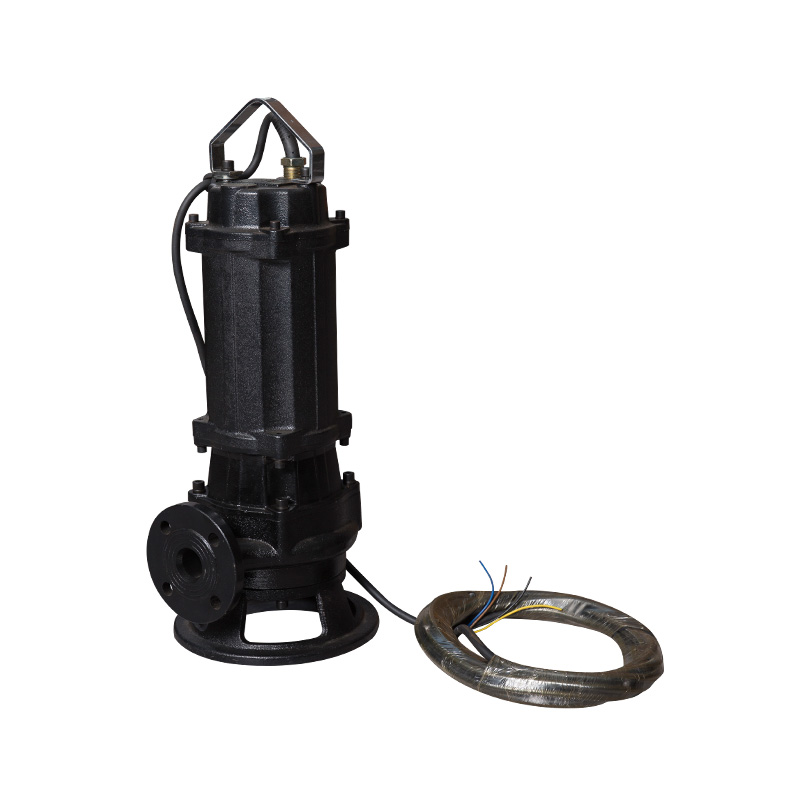
Plumbing codes govern the design, installation, and maintenance of plumbing systems, including sewage pumps and wastewater handling equipment. These codes may include requirements for pipe sizing, materials, connections, and venting to prevent contamination, leaks, and odors.
Electrical codes regulate the installation and wiring of electrical systems, including pumps and control panels. These codes establish standards for electrical safety, grounding, wiring methods, and equipment ratings to prevent shocks, fires, and other hazards.
Environmental regulations govern the discharge of wastewater and sewage into public sewers, water bodies, or treatment facilities. These regulations may include limits on pollutants, chemicals, and pathogens in wastewater, as well as requirements for monitoring, reporting, and treatment to protect water quality and public health.
Health and safety regulations establish standards for workplace safety, including the operation and maintenance of sewage pump systems. These regulations may include requirements for personal protective equipment, hazard communication, emergency response, and training to prevent accidents and injuries.
Many jurisdictions require permits and approvals for the installation, modification, or operation of sewage pump systems. This may involve obtaining permits from local building departments, environmental agencies, or water authorities, as well as complying with specific design standards and review processes.
In addition to regulatory requirements, it's important to follow manufacturer recommendations and guidelines for the installation, operation, and maintenance of sewage pumps. This helps ensure proper performance, reliability, and warranty coverage for the equipment.
It's essential to consult with local authorities and regulatory agencies to determine the specific regulations and codes that apply to sewage pump installations in your area. Working with qualified professionals, such as engineers, plumbers, and electricians, can help ensure compliance with regulatory requirements and best practices for sewage pump installations.

The pump shaft is the component that connects the motor to the impelle...
See Details
The pipeline pump B14 pump cover is a specific type of pump cover for ...
See Details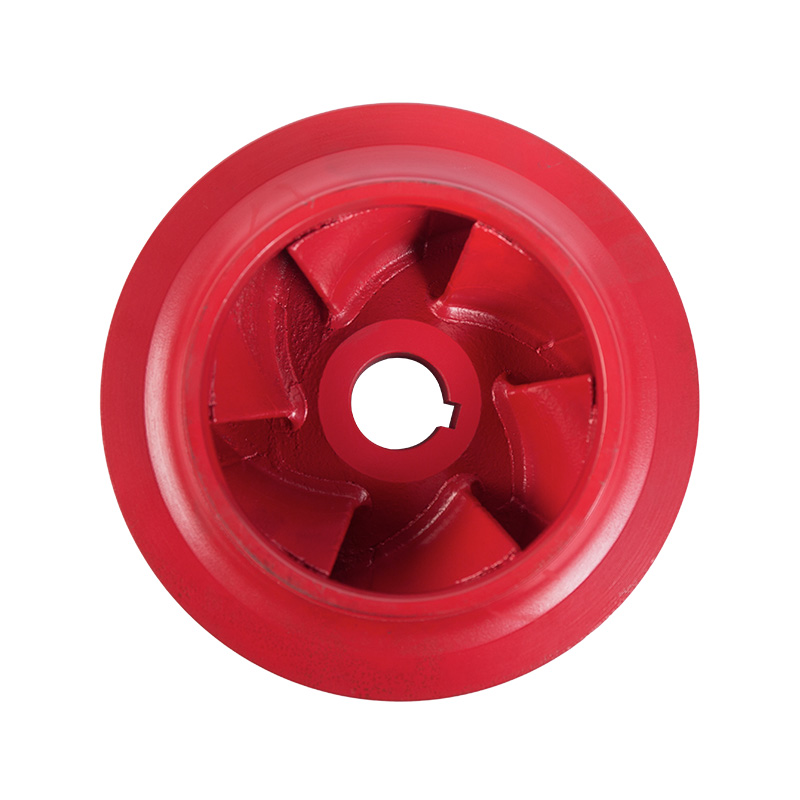
The impeller refers to both the disc with moving blades, which is an i...
See Details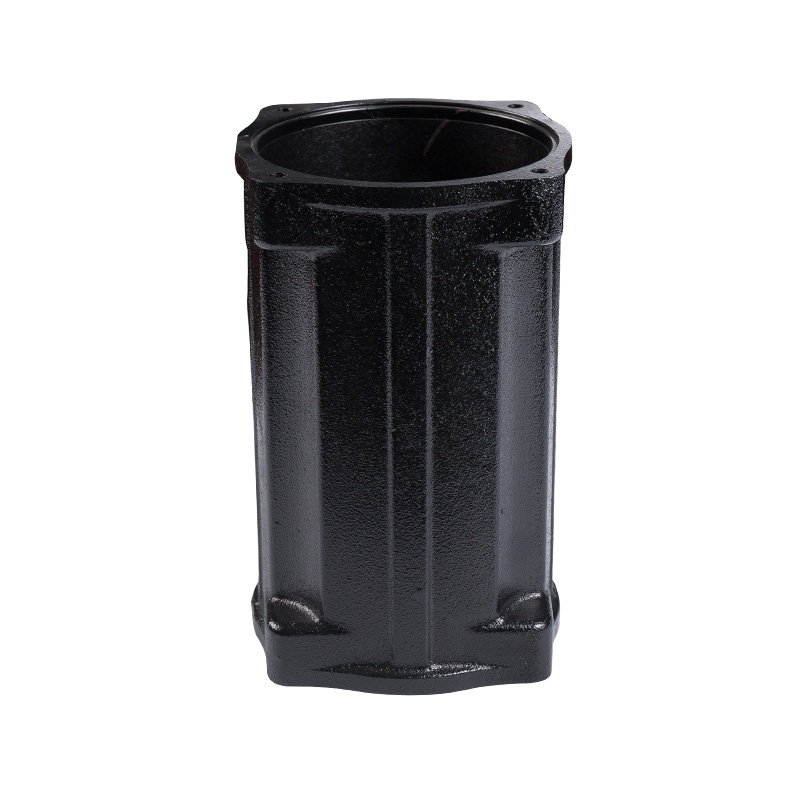
The casing of the sewage pump unit plays a role in protecting the inte...
See Details
The middle section is the main part of the pump body, responsible for ...
See Details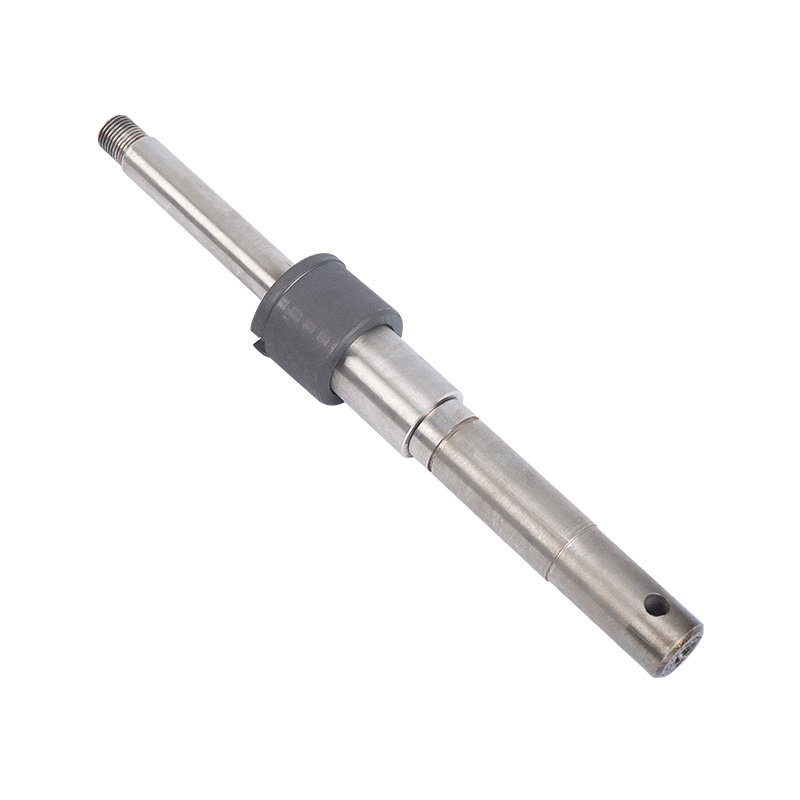
The pump shaft is the key component to bear the rotational force and t...
See Details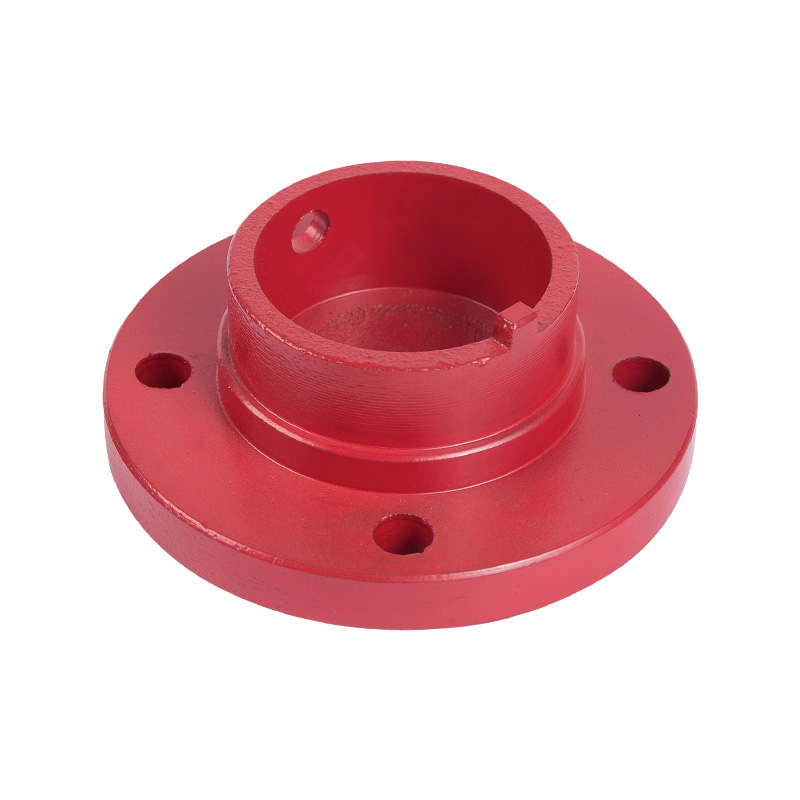
Water bearing gland is the gland for fixing the water bearing, which s...
See Details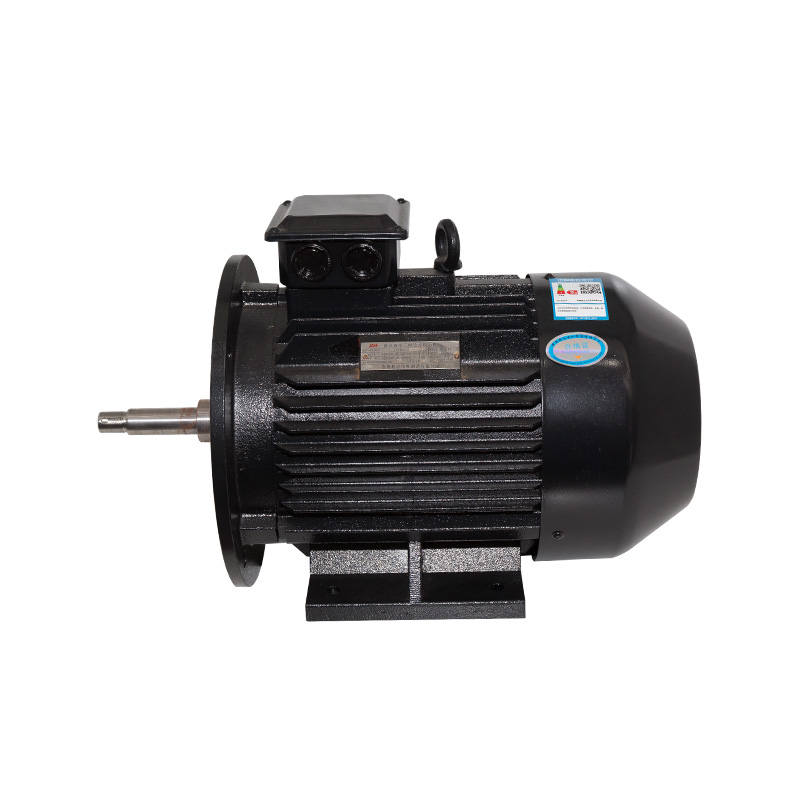
Also known as base mounting, the motor is connected to the mounting da...
See Details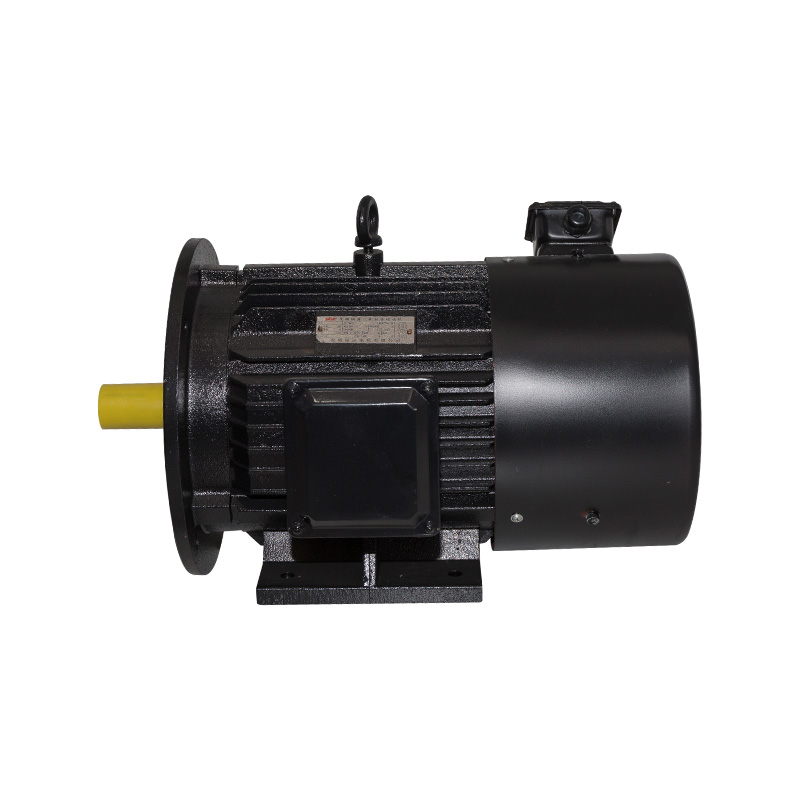
Also known as base mounting, the motor is connected to the mounting da...
See Details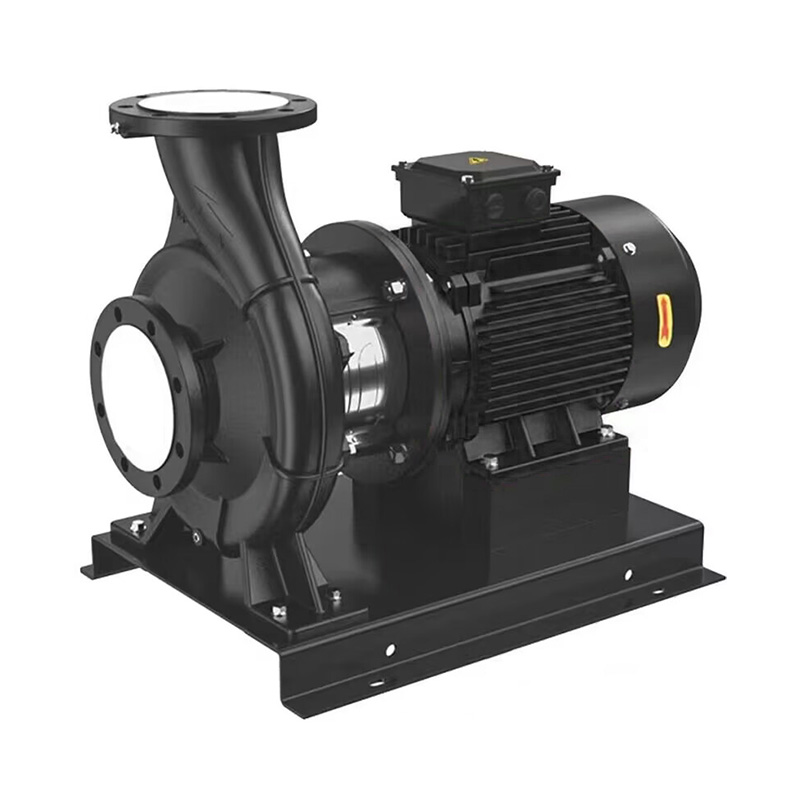
1.TD horizontal high-efficiency and energy-saving circulation pump is ...
See Details
+86-0563-2251312

+86-0563-2251311

+86-139 6620 0379


No.43 Guohua Road, Guangde Economic Development Zone, Xuancheng City, Anhui Province, China
